
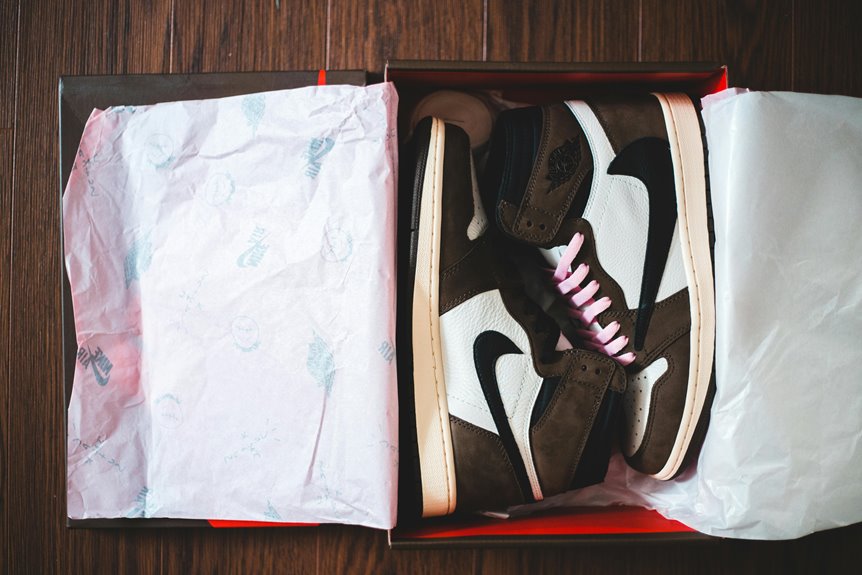
You’ll find that doe suede comes from female deer, making it softer with a finer, smoother texture, while buck suede, from male deer, is thicker and coarser, offering more durability. Doe suede works great for elegant clothing and accessories, while buck suede suits rugged gear and everyday use. Both have unique strengths depending on your project. Keep exploring to discover their ideal uses, care tips, and how to pick the right one for your needs.
Key Takeaways
- Doe suede comes from female deer hides, while buck suede is derived from male deer hides, influencing their characteristics.
- Doe suede has a finer, smoother texture; buck suede features a coarser, rougher surface appearance.
- Buck suede is thicker, tougher, and more resistant to abrasion than the softer, more delicate doe suede.
- Doe suede is preferred for elegant clothing and accessories due to its softness and uniform look.
- Buck suede suits rugged, everyday items like work boots and outdoor gear because of its durability.
Origin of Doe Suede and Buck Suede
Suede’s origins lie in the hides of specific animals, and understanding the difference between doe suede and buck suede starts with knowing their sources.
When you hear “doe suede,” it comes from the hide of a female deer, while “buck suede” originates from the hide of a male deer. This distinction matters because the animal’s gender influences the characteristics of the leather.
Female deer tend to have thinner, more delicate hides, which reflects in the softness and flexibility of doe suede. On the other hand, buck hides are thicker and tougher due to the male’s larger size and muscular build.
Knowing where these suedes come from helps you appreciate why each type behaves differently during crafting and use, even before considering their feel or look.
Texture and Appearance Differences
You’ll notice that doe suede has a finer, smoother surface texture compared to buck suede’s coarser feel.
The visual differences stand out too—doe suede usually appears softer and more uniform, while buck suede shows a rougher, more textured look.
Understanding these contrasts helps you pick the right suede for your needs.
Surface Texture Comparison
Although both doe suede and buck suede come from the same animal, their surface textures reveal distinct differences that affect how each material looks and feels.
When you touch doe suede, you’ll notice it’s typically softer and smoother, thanks to its finer grain and denser nap. This gives it a more delicate, almost silky surface.
Buck suede, on the other hand, has a coarser, slightly rougher texture because the hair follicles on male deer skin are usually thicker and more pronounced. You’ll feel more texture under your fingers with buck suede, which can make it more durable but less plush.
Understanding these surface texture differences helps you choose the right suede for your needs, whether you want softness or ruggedness in your leather goods.
Visual Characteristics Differences
Visual cues make it easier to tell doe suede and buck suede apart at a glance.
Doe suede typically has a finer, smoother nap, giving it a softer, more velvety appearance. When you look at buck suede, you’ll notice its texture appears coarser and more rugged, with a slightly rougher surface.
Buck suede’s fibers are usually thicker and less dense, which creates a matte finish compared to the subtle sheen of doe suede. You’ll also find doe suede tends to drape more fluidly because of its softer texture, while buck suede holds shape better thanks to its sturdier feel.
These visual differences help you quickly identify which type of suede you’re dealing with, whether you’re shopping for leather goods or evaluating materials for a project.
Durability and Strength Comparison
When choosing between doe suede and buck suede, you’ll want to evaluate their wear resistance levels.
Doe suede tends to be softer but less tough, while buck suede offers greater tear and scruff toughness.
Understanding these differences helps you pick the right material for durability.
Wear Resistance Levels
Because you rely on suede for both style and function, understanding the wear resistance of doe suede and buck suede is essential. Each type offers different strengths when facing regular use.
- Doe suede generally wears more evenly due to its finer grain, making it ideal for lighter, stylish applications.
- Buck suede, with its coarser texture, resists abrasion better, so it holds up well under tougher conditions.
- Over time, doe suede may show signs of wear faster, especially in high-friction areas.
- Buck suede’s durability makes it a smarter choice if you want your suede items to last through more demanding wear.
Knowing these distinctions helps you pick the right suede for your needs without sacrificing either look or longevity.
Tear and Scruff Toughness
Tear and scruff toughness determine how well suede stands up to rough handling and daily wear.
When you choose between doe suede and buck suede, this factor plays a big role in their durability. Buck suede, made from young male deer hide, has a thicker grain structure, giving it higher resistance to tears and scruffs. This means you can expect it to hold up better if you’re using it for items prone to rough use, like boots or work gloves.
Doe suede, on the other hand, is softer and more delicate, making it more susceptible to damage from sharp objects and rough surfaces.
If you want long-lasting toughness, buck suede is often the better choice, especially for heavy-duty applications.
Common Uses for Doe Suede
Doe suede offers a soft, supple texture that makes it ideal for crafting high-quality clothing and accessories.
When you choose doe suede, you’re selecting a material that feels luxurious and looks elegant, perfect for items that require both comfort and style.
Here are some common uses for doe suede:
- Jackets and coats – its softness enhances wearability and warmth.
- Gloves – provides flexibility and a gentle touch.
- Handbags and wallets – combines durability with a refined appearance.
- Footwear – especially for stylish boots and dress shoes.
Common Uses for Buck Suede
Buck suede’s durability and textured finish make it a popular choice for rugged, everyday items. You’ll often find buck suede in work boots and casual footwear because it stands up well to regular wear and tear.
It’s also a favorite for jackets and vests, offering both comfort and toughness. If you like outdoor gear, buck suede is commonly used for gloves and hats since its resilience handles rough conditions.
When it comes to accessories, you can spot buck suede in belts and bags that need to resist daily use without losing style.
Care and Maintenance Tips for Both Types
Although both types of suede require careful handling, maintaining their texture and appearance is easier than you might think.
By following a few simple steps, you can keep your doe and buck suede looking great for years.
- Use a soft-bristle brush regularly to remove dirt and restore the nap.
- Avoid water exposure; if suede gets wet, blot gently and let it air dry.
- Apply a suede protector spray to guard against stains and moisture.
- Store your suede items in a cool, dry place away from direct sunlight to prevent fading.
Stick to these tips, and you’ll preserve the unique softness and durability of both doe and buck suede effortlessly.
Price and Availability Factors
When shopping for suede, you’ll notice that price and availability can vary markedly based on factors like quality, source, and demand. Doe suede tends to be pricier due to its finer texture and limited supply, while buck suede is generally more accessible and affordable. You’ll find both types in specialty stores, but doe suede might require more searching.
| Factor | Doe Suede |
|---|---|
| Price | Higher, premium quality |
| Availability | Limited, niche markets |
| Durability | Moderate, delicate feel |
| Source | Female deer hides |
| Demand | Niche, luxury goods |
| Factor | Buck Suede |
| Price | Lower, more common |
| Availability | Widely available |
| Durability | Sturdy, rougher texture |
| Source | Male deer hides |
| Demand | Broader, everyday use |
Frequently Asked Questions
Can Doe Suede and Buck Suede Be Dyed the Same Colors?
Imagine painting a soft, velvety canvas—both doe and buck suede accept dyes well, but you’ll notice buck’s coarser texture holds color differently. You can dye them similarly, but expect subtle variations in shade and depth.
Are There Ethical Concerns With Using Doe and Buck Suede?
You might worry about ethical concerns since both doe and buck suede come from animals. Consider sourcing from suppliers who use sustainable, humane practices or explore synthetic alternatives to align your choices with your values.
How Do Doe and Buck Suede React to Water Exposure?
You might think both suedes handle water the same, but they don’t. Doe suede usually absorbs moisture faster, making it more vulnerable to stains, while buck suede resists water better, keeping its texture intact longer.
Is One Type of Suede Better for Allergy Sufferers?
You’ll find buck suede usually causes fewer allergy issues because it’s less porous and holds fewer allergens. Doe suede can trap more dust and irritants, so if you’re sensitive, buck suede’s the safer bet.
Can Doe and Buck Suede Be Used Interchangeably in Fashion Design?
Like swapping colors on a palette, you can use doe and buck suede interchangeably in fashion design. Both offer similar textures, so you’ll just choose based on feel or look, not strict rules or limits.