
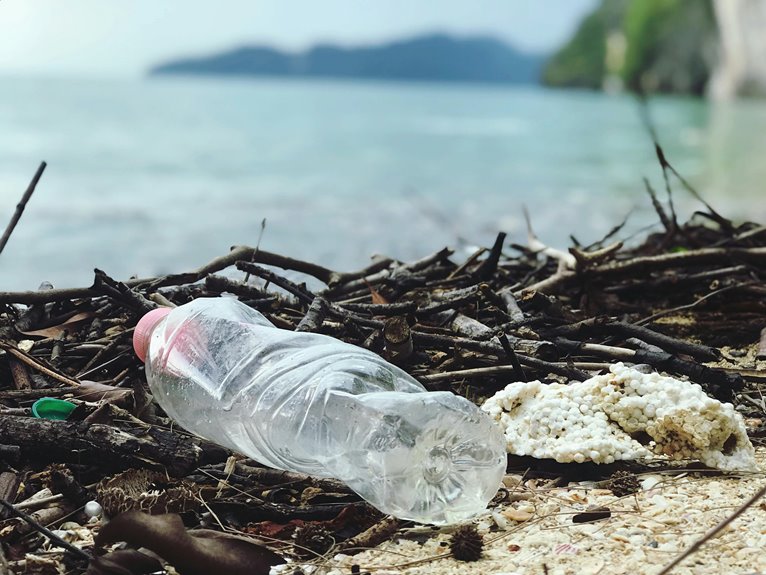
You might not realize the significant role leather tanneries play in water pollution. The wastewater they generate often contains harmful chemicals and heavy metals that can threaten both human health and local ecosystems. As communities grapple with these risks, the urgency for sustainable practices becomes clearer. But what exactly are the real implications of this pollution, and how is the industry responding? The answers may surprise you.
Key Takeaways
- Tannery wastewater contains heavy metals like chromium and lead, posing significant health risks to humans and aquatic ecosystems.
- High biological oxygen demand (BOD) and chemical oxygen demand (COD) indicate potential oxygen depletion, harming aquatic life.
- Chemicals from tanning processes can lead to skin irritations and long-term health issues for workers and nearby communities.
- Contaminated water affects agriculture and drinking water quality, threatening food security and public health.
- Stricter regulations and sustainable practices are essential to mitigate environmental impacts from tannery effluent.
Overview of Water Consumption in Tanneries
While you mightn’t think about it, water consumption in leather tanneries plays an essential role in the tanning process. Tannery operations require significant amounts of water for soaking hides, washing, and cooling processes. This water is critical for removing impurities and preparing the leather for treatment.
You’ll find that a typical tannery can use thousands of liters daily, depending on its size and production volume. Efficient water use is vital, as it not only impacts production costs but also affects the environment.
Implementing water-saving technologies and practices can help reduce consumption and minimize waste. By understanding the importance of water in tanneries, you can appreciate the need for sustainable practices that protect our water resources while maintaining quality leather production.
Types of Contaminants in Tannery Wastewater
When you consider the impact of leather production on the environment, it’s vital to understand the types of contaminants found in tannery wastewater.
This wastewater often contains harmful substances, including heavy metals like chromium and lead, which can pose serious health risks.
You’ll also encounter organic pollutants, such as sulfides and phenols, that can damage aquatic ecosystems.
Additionally, tannery wastewater may contain high levels of biological oxygen demand (BOD) and chemical oxygen demand (COD), indicating its potential to deplete oxygen in water bodies.
Tannery wastewater’s high levels of BOD and COD signify a serious risk of oxygen depletion in aquatic ecosystems.
Finally, various chemicals used in the tanning process, such as solvents and dyes, can further complicate the contamination issue.
Understanding these contaminants is critical for addressing the environmental risks associated with leather tanneries.
Scale of Wastewater Generation in the Leather Industry
Tannery wastewater is a significant concern, not just because of its harmful contaminants, but also due to the sheer volume generated by the leather industry. Each year, tanneries produce millions of liters of wastewater, primarily from the soaking, liming, and tanning processes.
This can lead to around 15,000 to 30,000 liters of wastewater for every ton of raw hides processed. With thousands of tanneries operating worldwide, the cumulative effect of this wastewater is staggering.
You’re likely to find that many of these facilities lack adequate treatment systems, exacerbating the issue. As the demand for leather continues to rise, the scale of wastewater generation is only expected to increase, making it essential to address effective management and treatment strategies in the industry.
Environmental and Health Risks of Tannery Effluent
When you consider tannery effluent, you’re looking at serious environmental and health risks.
The toxic chemicals released can harm both human health and local ecosystems.
It’s essential to understand how these pollutants affect the world around you.
Toxic Chemical Exposure
Although leather production is a vital industry, it often comes with severe environmental and health risks due to toxic chemical exposure from tannery effluent.
You mightn’t realize that substances like chromium, lead, and arsenic are commonly used in tanning processes. When these chemicals leach into water sources, they can pose serious health threats to nearby communities. Exposure can lead to skin irritations, respiratory issues, and even long-term effects like organ damage or cancer.
Furthermore, the contamination can compromise drinking water quality, putting everyone at risk. It’s essential to recognize these dangers and advocate for stricter regulations on wastewater treatment in tanneries.
Ecosystem Disruption Risks
Even if the leather industry provides jobs and economic benefits, the ecosystem disruption caused by tannery effluent is alarming.
When toxic waste enters waterways, it harms aquatic life, disrupting food chains and diminishing biodiversity. You mightn’t realize that these pollutants can lead to the death of fish and other organisms, which affects local communities relying on these resources.
Furthermore, the chemicals can seep into soil, impacting agriculture and potentially contaminating drinking water. This creates a ripple effect that jeopardizes both ecological balance and human health.
If you care about the environment and your community, it’s essential to advocate for stricter regulations and sustainable practices in the leather industry. Protecting ecosystems is critical for future generations.
Industry Response to Water Pollution Challenges
As the leather tanning industry faces increasing scrutiny over its impact on water quality, many companies are taking proactive steps to address pollution challenges.
You’ll find that some tanneries are investing in advanced wastewater treatment technologies to minimize harmful discharges. They’re also implementing closed-loop systems to recycle water, reducing the overall demand.
By collaborating with environmental organizations, these companies are developing best practices that enhance sustainability. Additionally, some tanneries are committing to transparency, sharing their water management strategies with consumers and stakeholders.
This shift not only improves their public image but also fosters trust in the industry. Ultimately, your choices as a consumer can encourage these positive changes, pushing for more sustainable practices across the leather tanning sector.
Regulatory Framework Surrounding Tannery Waste
The regulatory framework surrounding tannery waste is essential for protecting water quality and public health. These regulations guarantee that tanneries manage their waste responsibly, reducing harmful discharges into water bodies.
Here are four key components of this framework:
- Permitting Requirements: Tanneries must obtain permits that set limits on pollutants they can release.
- Monitoring and Reporting: Facilities are required to regularly monitor waste output and report findings to regulatory bodies.
- Treatment Standards: Regulations mandate specific treatment processes to reduce the toxicity of effluents before discharge.
- Enforcement Mechanisms: Authorities have the power to impose fines or shut down operations that violate waste management laws.
Economic Impact of the Leather Industry
Many people may not realize the significant economic impact of the leather industry, which plays an essential role in job creation and revenue generation. This sector provides thousands of jobs, from skilled artisans to factory workers, directly supporting local communities.
You might be surprised to learn that leather production contributes billions to the global economy, as it fuels a wide range of businesses, including fashion, automotive, and furniture industries. The demand for leather goods continues to grow, driving innovation and investment.
However, the industry’s economic benefits often come with environmental costs, particularly concerning water pollution. Balancing these economic advantages with sustainable practices is vital for ensuring long-term growth and protecting the communities that depend on the leather industry.
Future Directions for Sustainable Tanning Practices
While the leather industry has long been associated with notable environmental challenges, innovative approaches to sustainable tanning practices are emerging.
You can explore these directions to reduce the environmental impact of leather production:
- Vegetable Tanning: This method uses natural tannins from plants, eliminating harmful chemicals while producing high-quality leather.
- Recycling Water: Implementing advanced filtration systems allows tanneries to reuse water, minimizing waste and reducing pollution.
- Biodegradable Chemicals: Adopting eco-friendly chemicals in the tanning process can considerably lower toxicity levels and enhance safety for workers and the environment.
- Waste Management Innovations: Developing systems to repurpose waste materials can contribute to a circular economy, making leather production more sustainable.
Frequently Asked Questions
How Can Local Communities Mitigate Tannery Wastewater Pollution?
To mitigate tannery wastewater pollution, you can advocate for stricter regulations, promote eco-friendly practices, engage in community awareness programs, and collaborate with local tanneries to implement effective waste treatment solutions that benefit both the environment and community health.
What Technologies Are Effective in Treating Tannery Effluent?
To effectively treat tannery effluent, you can utilize technologies like membrane filtration, activated sludge systems, and advanced oxidation processes. These methods help reduce harmful pollutants and improve water quality for safe discharge or reuse.
Are There Alternative Materials to Leather That Are Environmentally Friendly?
You can explore several eco-friendly alternatives to leather, like cork, pineapple leather, and recycled plastics. These materials offer durability and style while minimizing environmental impact, making them great choices for conscious consumers like you.
How Can Consumers Influence Sustainable Practices in the Leather Industry?
You can influence sustainable practices in the leather industry by demanding transparency, supporting eco-friendly brands, and choosing products with certifications. Your purchasing power drives change, encouraging companies to adopt environmentally responsible methods in their production processes.
What Role Do International Organizations Play in Regulating Tannery Pollution?
International organizations serve as guardians, guiding countries in establishing regulations to minimize tannery pollution. They foster collaboration, encourage best practices, and promote awareness, ensuring that industries embrace eco-friendly methods while protecting our precious environment for future generations.