
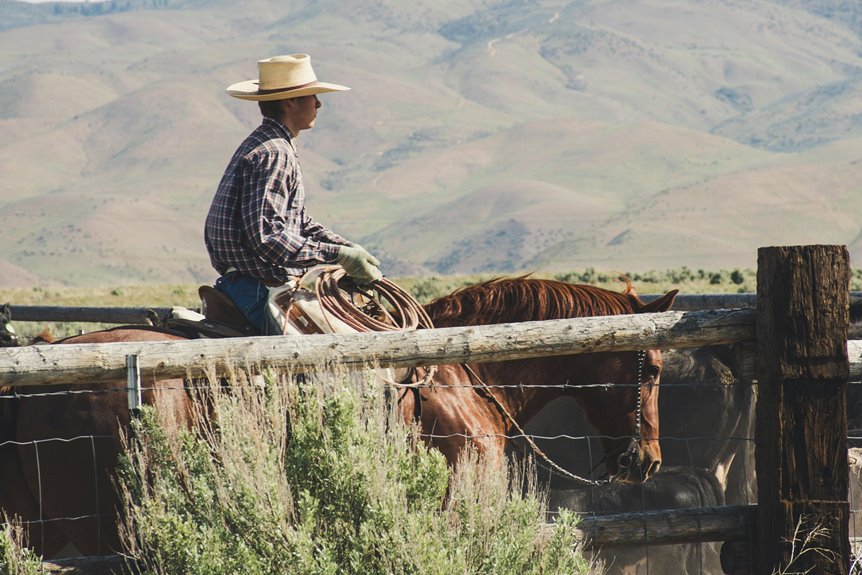
Cattle ranching is like a silent storm, quietly uprooting forests and reshaping ecosystems. As you explore the connection between leather products and deforestation, you’ll uncover the often-overlooked consequences of this industry. The Amazon, an essential lifeline for our planet, faces unprecedented loss, and the leather supply chain plays a critical role. What implications does this have for you as a consumer, and how can your choices make a difference?
Key Takeaways
- Cattle ranching is a leading driver of deforestation in the Amazon, with over 20% of the rainforest lost in recent decades.
- Leather production’s complex supply chains contribute to habitat destruction, pollution, and increased greenhouse gas emissions from cattle farming.
- Cattle farming is responsible for nearly 15% of global carbon emissions, exacerbated by methane produced during digestion and deforestation for grazing.
- Sustainable leather initiatives promote eco-friendly practices, traceability in supply chains, and humane treatment of livestock to mitigate environmental impacts.
- Consumer awareness of leather’s hidden impacts can drive demand for responsible production and support policies prioritizing environmental protection.
The Role of Cattle Ranching in Deforestation
As you explore the complexities of leather production, you’ll discover that cattle ranching plays a significant role in deforestation. Vast areas of forests are cleared to create grazing land for cattle, leading to habitat loss and biodiversity decline.
In regions like the Amazon, this practice contributes heavily to environmental degradation. You’ll find that the demand for beef and leather drives ranchers to expand their operations, often at the expense of vital ecosystems.
Each square mile cleared not only affects wildlife but also releases carbon stored in trees, exacerbating climate change. By understanding this connection, you can appreciate the broader implications of your choices, encouraging more sustainable alternatives that can help mitigate the environmental consequences tied to leather production and cattle ranching.
Leather Supply Chains and Their Environmental Impact
While you might think of leather as a simple product, its supply chains are complex and often detrimental to the environment. From the moment cattle are raised for meat to the final leather goods you see in stores, each step contributes to ecological degradation.
Cattle farming requires vast land, leading to habitat destruction and increased greenhouse gas emissions. Additionally, the tanning process involves toxic chemicals that can pollute water sources and harm local communities.
As you purchase leather items, consider the hidden costs tied to these supply chains. Choosing alternatives or supporting sustainable practices can help reduce your ecological footprint.
The Scale of Deforestation in the Amazon
How significant is the scale of deforestation in the Amazon? It’s staggering. Each year, vast areas of this essential rainforest disappear, primarily due to cattle ranching and agriculture. You might be surprised to learn that over 20% of the Amazon has been lost in just a few decades. This deforestation not only threatens biodiversity but also disrupts local communities and ecosystems.
| Year | Area Lost (sq km) | Percentage of Amazon Lost |
|---|---|---|
| 2000 | 15,000 | 1.5% |
| 2010 | 13,000 | 1.3% |
| 2020 | 11,000 | 1.1% |
These numbers highlight the urgent need for sustainable practices to protect the Amazon’s irreplaceable resources.
Carbon Emissions Linked to Cattle Farming
Cattle farming plays a significant role in carbon emissions, contributing heavily to global warming.
As you consider the impact of leather production, think about the deforestation caused by grazing land and its carbon footprint.
Understanding these connections can help you see how individual choices affect our planet’s health.
Deforestation’s Carbon Footprint
As you explore the environmental consequences of leather production, it becomes clear that deforestation linked to cattle farming greatly contributes to carbon emissions.
When forests are cleared for grazing land, not only are trees removed—trees that absorb carbon dioxide—but the soil also releases stored carbon into the atmosphere. This process exacerbates climate change, as the loss of biodiversity and habitats further impairs nature’s ability to sequester carbon.
In addition, cattle themselves produce methane, a potent greenhouse gas, during digestion. The combination of deforestation and methane emissions creates a significant carbon footprint.
Global Emission Contributions
The relationship between cattle farming and carbon emissions is starkly evident when examining global contributions. Cattle farming accounts for a significant portion of greenhouse gases, releasing methane and nitrous oxide—gases much more potent than carbon dioxide.
You might be surprised to learn that livestock production contributes nearly 15% of global emissions. This impact stems from both the animals themselves and the extensive resources used to raise them, including deforestation for grazing land.
As you consider your choices, remember that reducing beef consumption can directly influence these emissions. By opting for sustainable alternatives, you help mitigate this environmental crisis, showing that individual actions can lead to meaningful change.
Every small step counts in the fight against climate change.
Cattle Farming Impact
While you might think of cattle farming primarily regarding food production, its impact on carbon emissions is alarming. Cattle are significant contributors to greenhouse gases, mainly methane, which is 25 times more potent than carbon dioxide over a century.
When you take into account the vast amounts of feed, land, and water required for cattle farming, the environmental footprint expands even further. Each cow releases about 100 kg of methane annually, adding a staggering amount to global emissions.
Furthermore, deforestation for grazing land exacerbates the problem, reducing the planet’s ability to absorb CO2. By understanding these impacts, you can make informed choices about your consumption and its effects on our climate.
It’s essential to evaluate sustainable alternatives to lessen this environmental burden.
The Complexity of Global Leather Supply Chains
When you think about leather, it’s easy to overlook the intricate web of supply chains that bring it to market.
Each step involves various players, often leading to transparency challenges that make it hard to trace the source of materials.
Understanding these interconnections is essential for grasping leather’s true impact on the environment and society.
Supply Chain Interconnections
Maneuvering the global leather supply chain reveals a complex web of connections that goes far beyond the tanneries and fashion houses most people recognize. From cattle ranchers to chemical suppliers, each link plays a vital role in the final product. Understanding these interconnections helps you see the broader impact of your choices.
| Link in the Chain | Role |
|---|---|
| Cattle Ranchers | Raise livestock for leather |
| Tanners | Process hides into leather |
| Chemical Suppliers | Provide tanning agents |
| Retailers | Sell finished leather products |
Transparency Challenges
Understanding the intricate connections in the leather supply chain reveals significant transparency challenges that often go unnoticed.
You might think you’re buying a simple leather product, but it’s part of a complex web involving multiple suppliers, manufacturers, and regions. Each step in the process can obscure where materials originate and how they’re produced.
This lack of clarity makes it tough to trace the environmental impact or ethical practices behind your purchase. Furthermore, many companies don’t disclose their sourcing practices, leaving you in the dark about potential deforestation or poor labor conditions.
Initiatives for Sustainable Leather Production
As the demand for leather continues to rise, various initiatives are emerging to promote sustainable production practices. You can support these efforts by choosing brands that prioritize eco-friendly methods. For instance, some companies source leather from farms that practice regenerative agriculture, enhancing biodiversity. Others utilize innovative materials, like mushroom or pineapple leather, reducing reliance on animal products.
Here’s a quick overview of some sustainable initiatives:
| Initiative | Description | Impact |
|---|---|---|
| Regenerative Agriculture | Improves soil health and biodiversity | Reduces carbon footprint |
| Alternative Materials | Uses plant-based sources like mushrooms | Decreases animal slaughter and waste |
| Ethical Sourcing | Guarantees humane treatment of livestock | Promotes animal welfare |
| Closed-Loop Systems | Recycles leather waste back into products | Minimizes landfill waste |
The Need for Corporate Accountability
While many consumers are enthusiastic to support sustainable leather initiatives, the responsibility ultimately falls on corporations to adopt transparent practices and hold themselves accountable.
It’s essential for companies to recognize their role in the environmental crisis linked to deforestation and cattle ranching.
To guarantee accountability, corporations should:
- Implement traceability in their supply chains, ensuring sustainable sourcing.
- Publish regular sustainability reports that detail their environmental impact.
- Engage with stakeholders, including local communities affected by their operations.
- Invest in innovative technologies that reduce ecological footprints.
Consumer Awareness and Its Importance
When you become aware of the hidden impacts of leather production, you can make more informed choices that align with your values.
Understanding the connection between leather, deforestation, and cattle ranching empowers you to select products that support sustainable practices. By choosing alternatives or brands committed to ethical sourcing, you help reduce the demand for leather linked to environmental degradation.
Your purchasing power can influence companies to adopt more responsible methods, driving change in the industry. Additionally, sharing this knowledge with friends and family raises awareness, creating a ripple effect.
The more people understand leather’s impact, the greater the collective push for sustainable options. Your awareness not only shapes your choices but also contributes to a healthier planet for future generations.
Future Solutions to Combat Deforestation
To combat deforestation effectively, innovative solutions must be embraced that balance environmental needs with economic growth.
You can play an essential role in promoting sustainable practices and supporting initiatives that protect forests. Here are some strategies to evaluate:
- Agroforestry: Integrating trees with crops and livestock can enhance biodiversity while providing economic benefits.
- Sustainable sourcing: Choose products from companies committed to responsible leather production and deforestation-free supply chains.
- Reforestation programs: Support or participate in initiatives that restore degraded land and enhance carbon sequestration.
- Consumer advocacy: Raise awareness about deforestation’s impacts and push for policies that prioritize environmental protection over short-term gains.
Frequently Asked Questions
How Does Deforestation Affect Indigenous Communities in the Amazon?
Deforestation disrupts indigenous communities in the Amazon by destroying their homes and sacred lands. You’ll notice increased struggles for resources, loss of cultural heritage, and threats to traditional ways of life as their environment diminishes.
What Alternatives Exist to Leather That Are Environmentally Friendly?
You might think leather’s irreplaceable, but alternatives like cork, pineapple leather, and recycled materials offer stylish, eco-friendly options. They reduce waste and carbon footprints, letting you enjoy fashion without harming the planet.
How Can Consumers Verify Brands’ Sustainability Claims?
You can verify brands’ sustainability claims by researching certifications, reading reviews, checking their websites for transparency, and looking for third-party assessments. Engaging with brands directly through social media can also provide insights into their practices.
What Role Do Governments Play in Regulating Deforestation?
Ironically, while you enjoy nature’s beauty, governments often lag in regulating deforestation. They create laws, but enforcement’s inconsistent. You can advocate for stricter policies and support initiatives promoting sustainable practices to help protect our forests.
How Does Deforestation Impact Global Weather Patterns?
Deforestation disrupts global weather patterns by reducing tree cover, which affects local climates. You’ll notice increased temperatures, altered precipitation, and heightened risks of extreme weather events, all of which can impact ecosystems and human communities.