
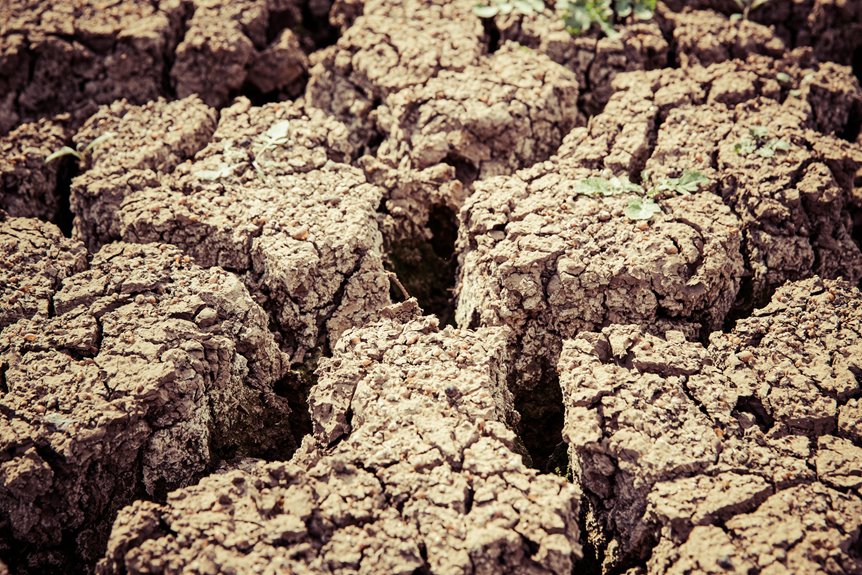
In Australia, excessive grazing for wool production has led to significant land degradation, with vast areas stripped of vegetation. This not only affects the soil but also disrupts entire ecosystems. As you explore the relationship between overgrazing and environmental health, you’ll uncover the intricate balance that sustains both agriculture and biodiversity. What sustainable practices could help reverse these damaging trends?
Key Takeaways
- Overgrazing depletes vegetation, leading to soil degradation and reduced ground cover essential for healthy ecosystems and wool production.
- Compacted soil from livestock trampling decreases water infiltration, resulting in poor moisture retention and negatively impacting forage quality for sheep.
- Nutrient depletion from repeated grazing reduces land productivity, directly affecting wool yield and quality due to poor sheep health.
- Increased soil erosion in overgrazed areas creates barren patches, disrupting plant growth and limiting the availability of grazing resources for livestock.
- Sustainable grazing practices, such as rotational grazing, can mitigate land degradation, ensuring long-term viability of wool production while preserving ecosystem health.
Understanding Soil Degradation From Overgrazing
When you think about overgrazing, it’s essential to understand how this practice leads to soil degradation. Overgrazing occurs when livestock consume more vegetation than the land can regenerate. This excessive feeding strips the soil of its protective plant cover, exposing it to erosion.
Without the roots of plants stabilizing the ground, rainwater washes away topsoil, reducing its fertility. Compacted soil from trampling prevents water infiltration, causing further runoff and erosion. Additionally, nutrient depletion occurs as animals graze on the same areas repeatedly.
This cycle creates barren patches, making it difficult for new plants to grow. Ultimately, overgrazing disrupts the delicate balance of soil health, impacting its ability to support diverse ecosystems and sustainable agriculture.
The Effects of Overgrazing on Ecosystem Health
Overgrazing not only depletes soil health but also disrupts the entire ecosystem. When livestock overconsume vegetation, you’ll notice a decline in plant diversity. This loss affects not just the plants but also the wildlife that relies on them for food and shelter.
Without adequate cover, soil erosion increases, leading to habitat degradation. Insects and smaller animals struggle to thrive, which ultimately impacts larger predators.
You may also observe that invasive species often take hold in overgrazed areas, further diminishing native flora. The balance of nutrients in the soil becomes compromised, affecting the overall productivity of the land.
Impact of Overgrazing on the Water Cycle
As livestock consume more vegetation than the land can regenerate, the water cycle becomes considerably disrupted.
With fewer plants to absorb rainwater, you’ll notice increased runoff, leading to erosion and reduced soil moisture. This lack of vegetation also means less transpiration, which can lower local humidity levels and affect precipitation patterns.
When water isn’t absorbed effectively, it can lead to drought conditions, making it harder for any remaining plants to survive. Additionally, the compacted soil from overgrazing reduces its ability to hold water, further exacerbating the problem.
You might witness streams and ponds drying up, impacting local wildlife and further destabilizing the ecosystem. Overall, overgrazing not only harms vegetation but also severely disrupts the essential water cycle.
Consequences for Livestock Production
As land degradation continues, you may notice a decline in forage quality that directly affects your livestock.
Poor-quality forage can lead to health challenges for your animals, impacting their growth and productivity.
It’s essential to understand how these changes can ripple through your livestock production.
Forage Quality Decline
When livestock rely on declining forage quality, the consequences for production can be significant. You might notice that your animals aren’t gaining weight as they should, which directly impacts wool yield.
Poor-quality forage lacks essential nutrients, leading to decreased energy levels in livestock. This decline affects their overall productivity and can result in lower wool quality, too.
If your livestock can’t obtain enough protein and minerals, you may face reduced reproductive performance and lower lactation rates. As these issues compound, your profits can dwindle.
Staying vigilant about forage quality is essential; it influences not just animal health but also your bottom line. Investing in better grazing management can help restore forage health and enhance livestock production.
Livestock Health Challenges
Poor forage quality not only impacts livestock productivity but also poses significant health challenges for your animals. When livestock consume low-quality forage, they can suffer from nutritional deficiencies, which may lead to poor growth, decreased reproduction rates, and increased susceptibility to diseases.
Here’s a quick overview of the health challenges you might face:
| Health Challenge | Symptoms | Prevention Strategies |
|---|---|---|
| Nutritional Deficiency | Weight loss, lethargy | Supplement with minerals |
| Parasite Infestation | Diarrhea, poor coat | Regular deworming |
| Respiratory Issues | Coughing, nasal discharge | Improve ventilation |
| Foot Problems | Limping, swelling | Maintain hoof hygiene |
| Digestive Disorders | Bloat, colic | Monitor forage intake |
Addressing these challenges promptly can enhance your livestock’s overall health and productivity.
The Role of Overgrazing in Desertification
When you overgraze, you’re not just affecting the grass; you’re also depleting ground cover and losing soil fertility.
This imbalance can lead to significant desertification, disrupting entire ecosystems.
Let’s explore how these consequences unfold and impact the land you rely on.
Ground Cover Depletion
Overgrazing considerably contributes to ground cover depletion, a critical factor in the process of desertification. When livestock overfeed on vegetation, they strip the land of its natural cover, leaving soil exposed and vulnerable to erosion.
You might notice that healthy plants are essential for maintaining soil structure and preventing wind and water erosion. Without adequate ground cover, the soil loses moisture and nutrients, making it harder for new plants to thrive.
As this cycle continues, the land becomes less productive, ultimately leading to barren landscapes. By understanding this connection, you can appreciate the importance of sustainable grazing practices.
Protecting ground cover not only benefits the ecosystem but also supports long-term agricultural viability and resilience against desertification.
Soil Fertility Loss
The loss of ground cover due to overgrazing directly impacts soil fertility, leading to a significant decline in land productivity. When livestock graze excessively, they strip away important vegetation that normally protects the soil.
Without this cover, soil erosion accelerates, washing away necessary nutrients. As nutrients diminish, you’ll notice reduced crop yields and poorer pasture quality.
Moreover, overgrazing disrupts the natural balance of soil microorganisms, which play a critical role in nutrient cycling. This imbalance can create a cycle of degradation, as less fertile soil struggles to support plant life.
If you don’t address these issues, you risk pushing the land towards desertification, making recovery increasingly difficult and costly.
It’s important to manage grazing practices to maintain soil health.
Ecosystem Imbalance Consequences
As livestock graze excessively, they not only strip the land of essential vegetation but also disrupt the delicate balance within the ecosystem, ultimately leading to desertification.
This imbalance can have severe consequences for the environment, including:
- Soil erosion, where the topsoil is washed away, reducing fertility.
- Loss of biodiversity, as native plants and animals struggle to survive.
- Increased carbon emissions, as bare ground releases stored carbon.
- Water scarcity, with diminished vegetation leading to reduced groundwater recharge.
These effects create a vicious cycle, making recovery increasingly difficult.
If you’re involved in wool production, it’s vital to recognize the long-term impacts of overgrazing.
Sustainable practices not only benefit the land but also guarantee a healthier ecosystem for future generations.
Strategies for Sustainable Land Management
To effectively combat land degradation, adopting sustainable land management strategies is essential.
Start by rotating grazing areas to prevent overgrazing in any single location. This allows vegetation to recover and maintains soil health.
Rotating grazing areas helps prevent overgrazing, allowing vegetation to recover and supporting soil health.
You should also consider using native plants in your pasture management; they’re adapted to local conditions and require less water and fertilizer.
Implementing cover crops can improve soil structure and reduce erosion.
Additionally, practicing agroforestry can enhance biodiversity while providing shade and shelter for livestock.
Finally, monitor your land regularly to assess its health and make adjustments as needed.
By taking these steps, you’ll foster a more resilient ecosystem, ensuring the land remains productive for future generations.
Sustainable practices can lead to better wool production while preserving the environment.
Frequently Asked Questions
How Does Overgrazing Affect Soil Carbon Storage?
Did you know that overgrazing can reduce soil carbon storage by up to 50%? When you let livestock graze too much, the soil loses its ability to sequester carbon, contributing to climate change and ecosystem imbalance.
What Role Do Grazing Patterns Play in Soil Health?
Grazing patterns markedly influence soil health. You’ll notice that rotational grazing promotes nutrient cycling, while continuous grazing can lead to soil compaction and nutrient depletion. Adjusting these patterns can enhance soil structure and biodiversity.
Can Overgrazing Lead to Invasive Species Proliferation?
Yes, overgrazing can definitely lead to invasive species proliferation. When native plants are weakened, invasive species take advantage, spreading rapidly and disrupting the ecosystem. You’ll notice changes in plant diversity and soil health as a result.
How Does Climate Change Interact With Overgrazing Effects?
Climate change exacerbates overgrazing effects by altering weather patterns, causing more extreme droughts and floods. These changes stress ecosystems, making it harder for vegetation to recover and increasing soil erosion, ultimately impacting land health.
What Are the Economic Impacts of Overgrazing on Wool Production?
You’ll find that overgrazing considerably raises production costs, leading to decreased wool quality and quantity. This impacts farmers’ profits, reduces market competitiveness, and ultimately threatens the sustainability of wool production within affected regions.