
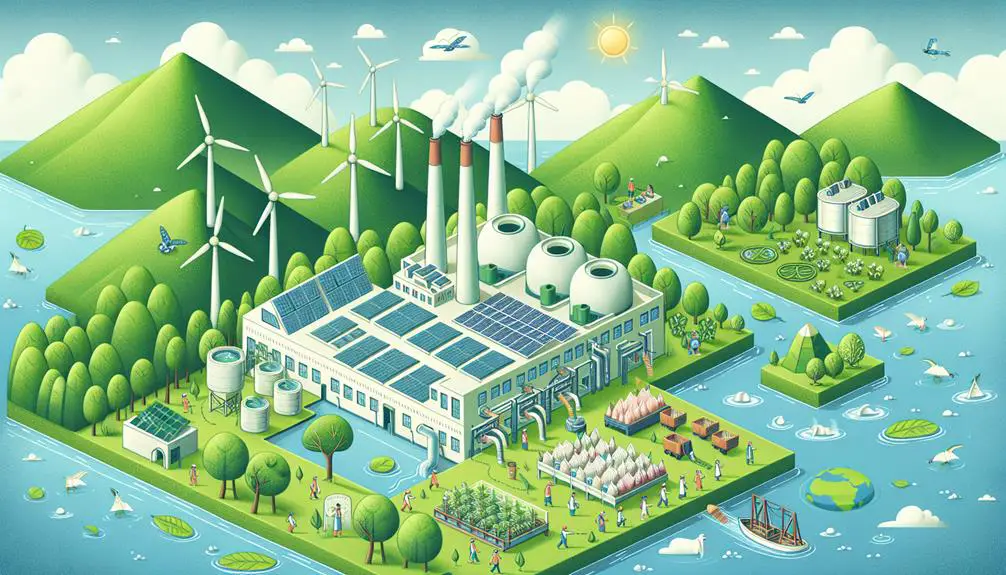
Did you know that the textile industry accounts for 10% of global carbon emissions? You might wonder how fabric manufacturers can address this issue head-on. By adopting sustainable practices, they can greatly decrease their environmental impact. Think about using organic and recycled materials, which not only conserve resources but also reduce waste. Consider energy-efficient technologies that lower energy consumption during production. But that's not all—water-saving techniques and ethical labor practices play vital roles too. Curious about how these practices can transform the industry and benefit everyone involved?
Key Takeaways
- Embrace organic and recycled materials to reduce environmental footprint and support a circular economy.
- Implement energy-efficient technologies and renewable energy sources to lower production costs and environmental impact.
- Utilize water-saving techniques like rainwater harvesting and closed loop systems to conserve water and reduce operational costs.
- Adopt waste minimization strategies such as digital pattern-making and automated cutting systems to optimize material usage and minimize excess.
- Ensure ethical labor practices with fair wages, safe conditions, and transparency to build trust and strengthen brand reputation.
Organic and Recycled Materials
Embracing organic and recycled materials in fabric manufacturing can greatly reduce your environmental footprint. By choosing organic fibers, you avoid the harmful pesticides and chemicals that plague conventional cotton production. Organic materials are grown using methods that foster soil health, conserve water, and support biodiversity. This holistic approach aligns with a circular economy, where resources are reused and waste is minimized.
Recycled materials, like polyester made from recycled plastic bottles, offer a second life to waste that would otherwise contribute to pollution. By integrating these materials, you not only reduce landfill waste but also cut down on the need for virgin resources. This practice supports a circular economy by keeping materials in use for as long as possible.
Additionally, pairing organic and recycled materials with eco friendly dyes amplifies the environmental benefits. Traditional dyes often contain toxic chemicals that pollute waterways and harm aquatic life. In contrast, eco friendly dyes are designed to be biodegradable and non-toxic, ensuring that the dyeing process is as sustainable as the fabric itself.
Energy-Efficient Technologies
Implementing energy-saving technologies in fabric manufacturing can greatly lower your production costs and environmental impact. By integrating renewable energy sources like solar and wind power, you can significantly decrease your reliance on fossil fuels. This not only reduces greenhouse gas emissions but also stabilizes your energy expenses, making your operations more predictable and sustainable.
Smart automation further enhances energy efficiency. By employing advanced machinery and IoT (Internet of Things) systems, you can optimize energy use throughout the production process. These technologies enable real-time monitoring and adjustments, ensuring that machines operate only when necessary and at peak settings. This reduces wasted energy and enhances overall productivity.
Investing in high-efficiency equipment, such as energy-saving motors and LED lighting, also contributes to a more sustainable operation. These upgrades may entail initial costs but provide long-term savings and a smaller carbon footprint.
Water-Saving Techniques
In fabric manufacturing, adopting water-saving methods can significantly decrease your resource consumption and operational costs. Start by implementing rainwater harvesting systems. By collecting and storing rainwater, you can greatly reduce the use of freshwater resources. This approach not only conserves water but also decreases your reliance on municipal water supplies.
Innovative dyeing techniques are another vital strategy. Traditional dyeing processes are famously water-intensive, but methods like low-water and waterless dyeing can greatly lower your water usage. These techniques not only save water but also improve color quality and consistency, giving your products a competitive edge.
Water recycling through closed loop systems is another game-changer. By capturing and treating wastewater for repeated use, you can minimize waste and decrease freshwater consumption. A closed loop system ensures that water is continuously purified and reused within your manufacturing processes, promoting both sustainability and efficiency.
Waste Minimization Strategies
Reducing waste in fabric manufacturing not only cuts costs but also enhances sustainability and operational efficiency. You should focus on integrating waste minimization strategies to drive substantial improvements in your production processes. Embracing the circular economy can notably elevate production efficiency. By reusing and recycling materials within your manufacturing cycle, you reduce the need for virgin resources and minimize waste.
Material reclamation plays a pivotal role in this approach. When you reclaim fabric scraps, off-cuts, and by-products, you turn potential waste into valuable resources for new products. This not only supports waste reduction but also lowers material costs, contributing to a more sustainable operation.
Incorporating advanced technologies can further enhance waste reduction efforts. Automated cutting systems, for instance, optimize material usage and reduce fabric waste, thereby improving overall production efficiency. Additionally, digital pattern-making software can help you maximize fabric usage and minimize excess.
Ethical Labor Practices
While enhancing sustainability through waste minimization, it's equally important to secure that your fabric manufacturing processes uphold ethical labor practices. You can't achieve true sustainability without considering the human element. Ethical labor practices mean securing fair wages and safe working conditions for all your employees.
Start by conducting regular audits of your suppliers to verify compliance with fair wage standards. Workers should receive compensation that reflects their skills and the cost of living in their region. This not only fosters a positive work environment but also boosts productivity and quality.
Next, prioritize safe working conditions. Implement rigorous safety protocols and provide ongoing training to prevent workplace accidents. Secure that your facilities are equipped with necessary safety gear and that employees are educated on its proper use. By safeguarding their well-being, you build a loyal and motivated workforce.
Moreover, transparency is key. Publicly share your labor practices and progress reports to build trust with customers and stakeholders. Emphasize your commitment to ethical practices in all your communications. This not only strengthens your brand but also sets a standard for the industry.
Frequently Asked Questions
How Can Consumers Identify Truly Sustainable Fabric Brands?
To identify truly sustainable fabric brands, you must prioritize consumer education. Look for ethical sourcing and eco-friendly materials. Detect greenwashing by researching brand transparency, certifications, and their commitment to genuine sustainable practices.
Are There Certification Standards for Sustainable Fabric Manufacturing?
Certainly, certification standards exist. Certifications like GOTS, OEKO-TEX, and Cradle to Cradle guarantee reduced environmental impact. You'll find these helpfully highlight eco-friendly fabrics, allowing you to select sustainably with confidence and clarity.
What Role Does Transportation Play in the Sustainability of Fabrics?
Transportation is essential for fabric sustainability. Use eco-friendly transportation methods to greatly reduce the carbon footprint, ensuring a greener process. Mastering this aspect boosts your overall sustainability efforts and drives positive environmental impact.
How Do Sustainable Practices Impact the Cost of Fabric Products?
By adopting sustainable practices, you'll notice cost implications due to eco-friendly materials and processes. However, environmental benefits, increasing market demand, and enhanced brand reputation can offset these costs, making it a worthwhile investment.
Can Traditional Fabrics Be Made More Sustainable Through New Technologies?
Can traditional fabrics be made more sustainable through new technologies? Absolutely! By integrating eco-friendly innovations with traditional methods, you can notably reduce the environmental impact while preserving cultural heritage. It's a powerful way to master sustainability.