
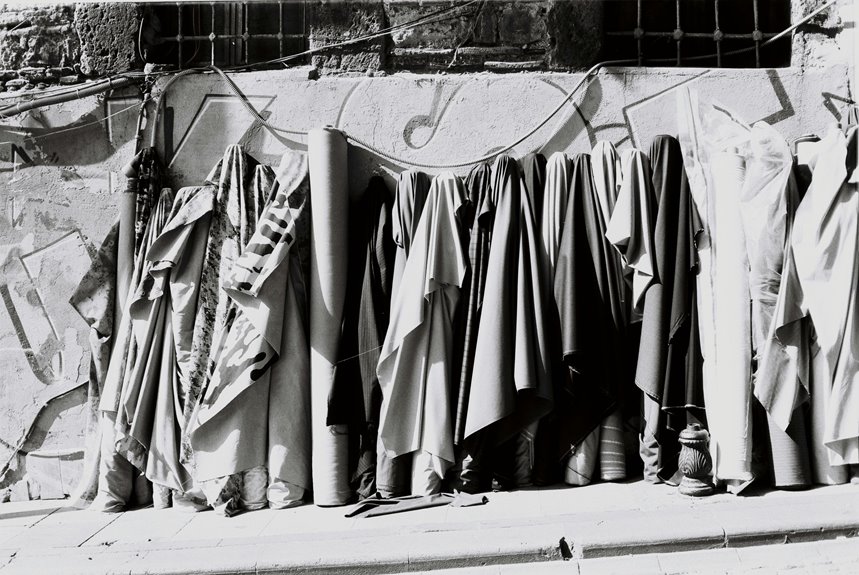
If you’re shopping for silk fabric in Bangladesh, expect local silk to cost less than imported options due to lower shipping and duties. Prices vary by silk type—mulberry silk tends to be pricier than eri or tussar. Handwoven pieces with natural dyes may also cost more because of the craftsmanship involved. By understanding these factors, you’ll better navigate quality and cost differences, opening up more choices to suit your needs and budget.
Key Takeaways
- Local silk fabrics in Bangladesh are generally more affordable due to lower shipping and production costs compared to imported silk.
- Mulberry silk, a popular local variety, commands higher prices for its smooth texture and durability.
- Imported silk often costs more because of customs duties, transportation fees, and unique fabric finishes.
- Handwoven and naturally dyed silks tend to be pricier regardless of origin due to labor-intensive processes.
- Buyers are advised to compare local and imported prices, focusing on fabric type and authenticity for the best value.
Overview of Local Silk Production in Bangladesh
Silk production in Bangladesh has a rich history rooted in traditional craftsmanship. When you explore local silk production, you’ll find that artisans primarily work with mulberry and eri silk varieties.
These silks are cultivated in rural areas where farmers carefully rear silkworms, ensuring quality fibers. You’ll notice that much of the process remains manual, from feeding silkworms to spinning threads, which preserves unique textures and durability.
If you visit local markets, you’ll see how these handcrafted silks reflect cultural heritage through intricate patterns and natural dyes. By supporting local producers, you’re helping sustain age-old techniques and communities dependent on silk farming.
Understanding this background gives you a clearer picture of why Bangladeshi silk holds a distinct place in the textile industry, separate from imported alternatives.
Factors Influencing Silk Fabric Prices
When you consider purchasing high-quality fabric, several factors come into play that directly affect the price you’ll pay.
First, the type of silk matters—mulberry silk typically costs more due to its fine texture and durability.
You’ll also notice that the fabric’s weight and thread count influence the price; heavier, denser silk tends to be pricier.
Production methods impact cost too; handwoven silk requires more labor, raising prices compared to machine-made options.
Additionally, the dyeing process and the use of natural or synthetic colors affect the final cost.
Finally, demand and availability play roles—limited supply or trends can push prices higher.
Understanding these factors helps you make informed choices when selecting silk fabric in Bangladesh.
Price Comparison: Local Vs Imported Silk Fabrics
Understanding the factors that influence fabric prices sets the stage for comparing local and imported silk options.
When you look at local silk fabrics in Bangladesh, you’ll often find they come at a lower price point because they involve less shipping cost and benefit from local production efficiencies.
Imported silk, on the other hand, generally carries a higher price due to import duties, transportation expenses, and brand premiums. However, imported silk may offer unique textures and finishes not always available locally.
Imported silk often costs more due to duties and shipping but offers unique textures rarely found locally.
If you’re budget-conscious, local silk provides excellent quality at a reasonable price. But if you seek variety or specific silk types, imported options might be worth the extra cost.
Ultimately, knowing what you want helps you decide between local affordability and imported exclusivity.
Popular Types of Silk Fabrics Available in Bangladesh
Since Bangladesh boasts a rich tradition in textile production, you’ll find a variety of silk fabrics that cater to different tastes and occasions.
Whether you want something luxurious for a wedding or a subtle fabric for daily wear, the options are diverse. Here are some popular types you can explore:
- Mulberry Silk: Known for its smooth texture and durability, ideal for formal attire.
- Tussar Silk: Has a natural golden sheen, perfect for traditional outfits.
- Eri Silk: Soft and warm, great for cooler weather and casual wear.
- Muga Silk: Rare and expensive, with a natural yellow tone, often reserved for special occasions.
Each type offers a unique feel and look, helping you choose the perfect silk fabric for your needs.
Tips for Buying Quality Silk at the Best Price
Although silk can be pricey, you can still find high-quality fabrics without overspending by knowing what to look for and where to shop.
First, check the fabric’s texture—it should feel smooth and soft, not rough or stiff. Look for a natural sheen rather than an overly shiny surface, which may indicate synthetic blends. Always ask about the origin and type of silk; mulberry silk is usually top quality.
Compare prices from local markets and importers to spot the best deals. Don’t hesitate to bargain, especially in local bazaars. Also, buy from reputable sellers who provide authentic certification or samples.
Finally, avoid impulse buys—take your time to inspect the fabric carefully to guarantee you get genuine silk at a fair price.
Frequently Asked Questions
How Does Silk Fabric Contribute to Bangladesh’S Export Economy?
You’ll see silk fabric boosts Bangladesh’s export economy by creating jobs, earning foreign currency, and showcasing craftsmanship. When you support silk exports, you help grow local industries and strengthen the country’s global trade presence.
What Environmental Impacts Are Associated With Silk Production in Bangladesh?
You’ll find that silk production uses 90% less water than cotton, but it still impacts the environment through pesticide use and waste from silkworm farming. You should support sustainable practices to reduce harm.
Are There Any Government Subsidies for Local Silk Producers?
Yes, you’ll find government subsidies aimed at supporting local silk producers, including financial aid, training programs, and infrastructure development. These initiatives help boost production and competitiveness against imported silk fabrics in the market.
How Is Silk Fabric Traditionally Dyed in Bangladesh?
Dyeing silk in Bangladesh is like painting with nature’s palette. You’ll use natural dyes from plants and flowers, soak the fabric carefully, and let it dry under the sun to capture vibrant, lasting colors beautifully.
What Care Instructions Are Recommended for Maintaining Silk Garments?
You should always hand wash silk garments in cold water with mild detergent. Don’t wring them out; instead, gently squeeze and air dry away from direct sunlight to keep their color and texture vibrant.