
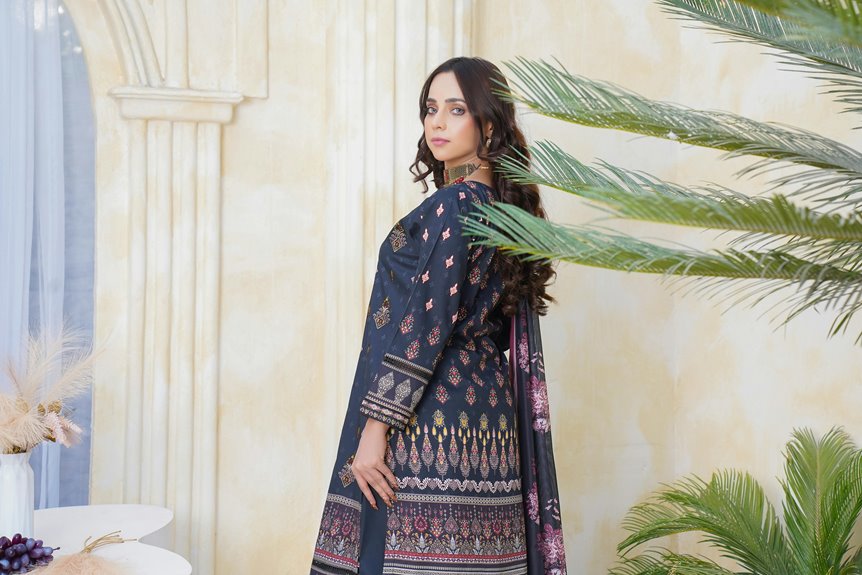
You can use lawn fabric in home decor by choosing vibrant patterns or soft solids that match your space’s style. Turn it into airy curtains, colorful pillow covers, or stylish table runners to add texture and warmth. It pairs beautifully with natural fibers and layered fabrics, enhancing both indoor and outdoor areas. Regular gentle washing keeps it fresh and lasting. Explore these ideas further and discover how lawn fabric can truly transform your home’s look.
Key Takeaways
- Use lawn fabric to create airy curtains that soften natural light and enhance rustic or natural decor styles.
- Craft decorative pillow covers with bold prints or subtle textures to add color and comfort to living spaces.
- Make table runners and placemats from durable, colorfast lawn fabric to brighten dining areas with easy-to-clean accents.
- Layer lawn fabric with sheer curtains or natural fibers like jute and wicker for depth and a breezy, elegant atmosphere.
- Drape lawn fabric over wooden or metal garden furniture to add softness and visual interest to outdoor settings.
Choosing the Right Lawn Fabric for Your Project
Before you begin your home decor project, you need to choose the right lawn fabric that fits your style and purpose.
Think about the room’s vibe—do you want something light and airy or more colorful and bold? Lawn fabric is lightweight, breathable, and smooth, perfect for curtains, pillow covers, or table runners.
Choose lawn fabric that complements your room’s vibe—light and airy or colorful and bold, perfect for various decor pieces.
Check the fabric’s weave and fiber content; 100% cotton lawn offers softness and durability, while blends might add stretch or sheen.
Consider the print and color—solid shades provide a subtle backdrop, while floral or geometric patterns can become a focal point.
Also, think about maintenance; some lawn fabrics require gentle washing.
Preparing Lawn Fabric for Crafting
To get your lawn fabric ready for crafting, start by washing it to remove any sizing or chemicals from manufacturing. Use cold water and a gentle cycle to avoid shrinking or damaging the delicate fibers.
Skip the fabric softener, as it can leave residue. After washing, lay the fabric flat or hang it to air dry, preventing wrinkles and distortion.
Once dry, press the fabric with a cool iron to smooth out any creases and make cutting easier.
Before you cut, measure twice and mark your fabric with a fabric pencil or tailor’s chalk to guarantee accuracy.
DIY Rustic Curtains Using Lawn Fabric
When you choose lawn fabric for your rustic curtains, you’re picking a lightweight, breathable material that adds a soft, natural charm to any room.
Start by measuring your window to determine the fabric size, allowing extra for hems and gathers. Cut the lawn fabric accordingly, then hem the edges to prevent fraying. Sew a simple rod pocket at the top for easy hanging.
Because lawn fabric is thin, consider doubling the layers for privacy or adding a backing. The fabric’s subtle texture and muted tones create a cozy, rustic vibe that complements wooden or vintage decor.
Hang your new curtains, adjust the gathers for fullness, and enjoy the fresh, airy feel that lawn fabric brings to your rustic space.
Making Table Runners and Placemats
When making table runners and placemats, you’ll want to pick a durable lawn fabric that can handle daily use.
Don’t worry if you’re new to sewing—simple stitches and straight seams will get you there.
With a few easy tips, you’ll create beautiful, functional pieces in no time.
Choosing Durable Lawn Fabric
Although lawn fabric is prized for its light, breathable qualities, you’ll want to select a durable option that can withstand regular use when making table runners and placemats.
Choose fabric with a tight weave to resist wear and tear. Opt for blends that include synthetic fibers for extra strength. Look for fabrics labeled as pre-shrunk to avoid distortion after washing.
Consider colorfast materials to keep your decor vibrant over time. Finally, thicker lawn fabrics provide better durability without losing their airy feel.
Here’s what to focus on when choosing durable lawn fabric:
- Tight weave for strength
- Synthetic fiber blends
- Pre-shrunk to maintain shape
- Colorfast for lasting vibrancy
- Medium to thick lawn fabric for resilience
This guarantees your table decor stays beautiful and functional.
Sewing Tips for Beginners
Since sewing table runners and placemats with lawn fabric is straightforward, you can quickly create stylish pieces even if you’re new to sewing.
Start by cutting your fabric precisely, using a rotary cutter and ruler for clean edges. Pin the layers together to avoid shifting while sewing. Use a straight stitch with a medium stitch length—this keeps seams neat and durable. Don’t forget to backstitch at the beginning and end to secure your work.
Press seams flat with an iron for a polished look. When hemming, fold edges twice to hide raw fabric and prevent fraying. Finally, choose coordinating thread colors to enhance the design.
With these tips, you’ll confidently craft beautiful table runners and placemats that brighten your home.
Creating Decorative Pillow Covers
If you want to add a unique touch to your living space, creating decorative pillow covers with lawn fabric offers both style and durability. This lightweight, breathable fabric brings vibrant colors and patterns to your cushions, making them perfect for any room.
Here’s how to get started:
- Choose lawn fabric with bold prints or subtle textures.
- Measure your pillow insert accurately for a snug fit.
- Cut two fabric pieces to your pillow size plus seam allowance.
- Sew three sides, insert the pillow, then finish the last side with a zipper or envelope closure.
- Iron the covers for a crisp, professional look.
Using lawn fabric allows you to refresh your decor easily and enjoy long-lasting, washable pillow covers that brighten your home.
Designing Unique Wall Hangings
Beyond pillow covers, lawn fabric can transform your walls into enchanting displays.
To design unique wall hangings, start by selecting vibrant patterns or subtle prints that match your room’s vibe. Cut the fabric into shapes or panels, then stretch it over a wooden frame or embroidery hoop for a sleek finish. You can also layer multiple fabric pieces for texture and depth.
Attach decorative elements like tassels, beads, or ribbons to add personality. Use fabric glue or a stapler to secure your design, ensuring it stays taut and wrinkle-free.
Finally, mount your creation using hooks or nails. This quick project not only personalizes your space but also showcases the delicate beauty and versatility of lawn fabric in a fresh, artistic way.
Crafting Fabric Baskets and Storage Containers
Creating fabric baskets and storage containers offers a practical and stylish way to organize your space using lawn fabric. Its lightweight yet durable texture makes it perfect for crafting containers that hold everything from toys to craft supplies.
You can sew simple box-shaped baskets or get creative with different shapes and sizes. Plus, lawn fabric comes in various colors and patterns, so your storage solutions can double as decorative accents.
Here’s what you’ll need to get started:
- Lawn fabric (choose sturdy, patterned options)
- Sewing machine or needle and thread
- Scissors and measuring tape
- Interfacing or batting for structure
- Handles or embellishments (optional)
With these materials, you can quickly make chic, functional baskets that keep your home neat and stylish.
Enhancing Outdoor Spaces With Lawn Fabric
When you want to refresh your outdoor areas, lawn fabric offers a versatile and weather-resistant option to elevate your decor. You can use it to create custom cushions, table runners, or even outdoor curtains that withstand sun and rain.
Its durability means you won’t worry about quick fading or damage, allowing your space to look vibrant longer. Try covering plant pots with lawn fabric for a cohesive look or wrap it around garden furniture frames to add color and texture.
You can also craft simple outdoor wall hangings or banners that bring personality to patios or decks. By incorporating lawn fabric, you enhance your outdoor space with practical, stylish elements that hold up against the elements without sacrificing charm.
Combining Lawn Fabric With Other Materials
Enhancing your outdoor space with lawn fabric opens up opportunities to mix it with other materials for even more dynamic decor.
You can create contrast and texture by pairing lawn fabric with wood, metal, or stone elements. For example, drape lawn fabric over wooden garden furniture or use it as cushions on metal chairs to soften the look.
Combining it with natural fibers like jute or wicker adds warmth and depth. You might even layer lawn fabric with sheer curtains for a breezy, elegant touch.
Try these combinations to elevate your decor:
- Lawn fabric cushions on wooden benches
- Draped lawn fabric over wrought iron furniture
- Lawn fabric table runners with stone or concrete tables
- Mixing lawn fabric with wicker planters
- Layering lawn fabric curtains with sheer panels
These pairings make your space inviting and visually appealing.
Tips for Maintaining and Cleaning Lawn Fabric Decor
Keeping your lawn fabric decor looking fresh and vibrant takes just a few simple steps.
First, regularly dust or lightly vacuum your fabric to prevent dirt buildup. When stains occur, act quickly—dab the spot gently with a damp cloth and mild soap, avoiding harsh scrubbing that can damage fibers.
For deeper cleaning, hand wash your lawn fabric in cold water with a gentle detergent, then air dry to maintain its softness and color. Avoid bleach or strong chemicals, as they can weaken the fabric.
Store your lawn fabric decor away from direct sunlight and moisture to prevent fading and mildew.
Frequently Asked Questions
Can Lawn Fabric Be Used for Clothing Alterations?
You can use lawn fabric for clothing alterations since it’s lightweight and breathable. It’s perfect for adding layers or making summer garments. Just remember, it’s delicate, so handle it gently when sewing or altering your clothes.
Is Lawn Fabric Suitable for Upholstery Projects?
Think of lawn fabric as a delicate whisper—it’s lightweight and sheer, so you won’t want to use it for upholstery projects. You’ll need sturdier, thicker materials that can withstand daily wear and tear.
How Does Lawn Fabric Perform in Extreme Weather Conditions?
You’ll find lawn fabric isn’t great in extreme weather—it’s lightweight and breathable but lacks durability against heavy rain or strong sun. You shouldn’t rely on it for outdoor use where harsh conditions prevail.
Can Lawn Fabric Be Dyed After Purchase?
Yes, you can dye lawn fabric after purchase. Just make certain to use a dye suitable for lightweight cotton, follow instructions carefully, and test on a small piece first to guarantee vibrant, even color without damaging the fabric.
Are There Eco-Friendly Options for Lawn Fabric Production?
You might think eco-friendly lawn fabric lacks quality, but you’d be surprised. Many brands now use organic cotton and sustainable dyes, letting you enjoy soft, durable fabric while caring for the planet in your projects.