
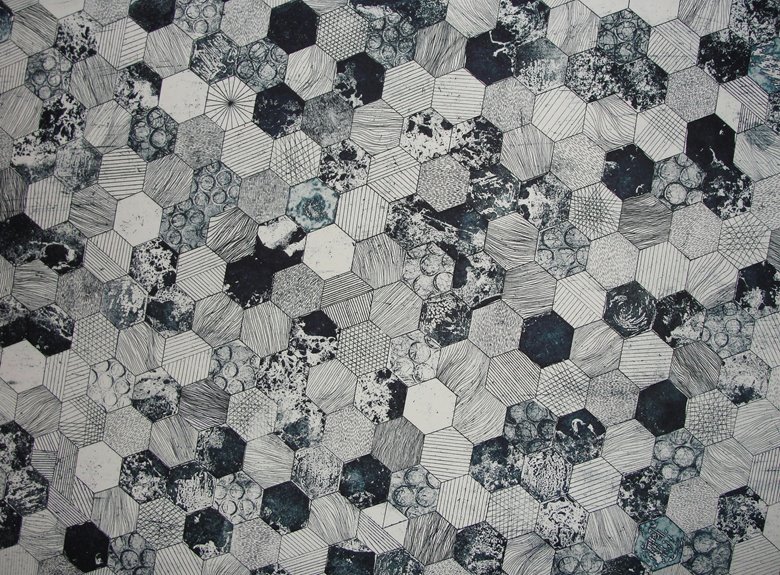
When you look closely at Kevlar fabric, you’ll notice its tightly woven fibers create a slightly rough, matte surface that enhances grip and durability. This texture, combined with its molecular structure of strong aromatic polyamides, gives Kevlar remarkable strength and heat resistance. You’ll find it bends without breaking, offering both protection and flexibility. Keep exploring, and you’ll uncover how these qualities make Kevlar indispensable in high-performance gear and advanced applications.
Key Takeaways
- Kevlar fabric features a tightly woven structure with plain, twill, or basket weave patterns enhancing durability and flexibility.
- Its surface has a slightly rough, matte texture that improves grip, friction, and resistance to moisture penetration.
- The fabric’s molecular structure consists of rigid aromatic polyamide chains providing exceptional strength and heat resistance.
- Weave tightness and fiber arrangement influence Kevlar’s drapability, balancing flexibility with abrasion resistance.
- Innovations like nanotechnology coatings and hybrid weaves enhance Kevlar’s texture for better protection and comfort.
Origins and Development of Kevlar
Although you mightn’t realize it, Kevlar’s origins trace back to the 1960s when chemist Stephanie Kwolek developed this groundbreaking synthetic fiber at DuPont.
You’d be interested to know she was searching for a lightweight, strong material to improve tire durability, but instead, she stumbled upon a fiber that was five times stronger than steel by weight.
As you explore Kevlar’s history, you’ll see how this discovery revolutionized protective gear, from bulletproof vests to helmets.
You can appreciate that its development involved rigorous testing and refinement to optimize strength and flexibility.
When you handle Kevlar fabric, remember it’s the product of innovative chemistry and engineering that reshaped safety standards across industries.
You’re witnessing the result of a remarkable breakthrough that started with one scientist’s curiosity.
Chemical Composition of Kevlar Fibers
When you examine Kevlar fibers closely, you’ll discover they consist of long chains of aromatic polyamides, also known as aramids. These molecules link rigid benzene rings with amide groups, creating a highly ordered and stable molecular structure.
This chemical makeup gives Kevlar its exceptional strength and heat resistance. The strong hydrogen bonds between polymer chains align the molecules into tightly packed, crystalline regions, which enhance durability.
You’ll also notice Kevlar’s chemical composition resists many solvents and doesn’t easily degrade under stress. Because of this, Kevlar fibers maintain integrity even under extreme conditions, making them ideal for protective gear and high-performance materials.
Understanding this chemical foundation helps you appreciate why Kevlar outperforms many other synthetic fibers in strength and resilience.
Weaving Techniques Used in Kevlar Fabric
When you look at Kevlar fabric, the weaving technique plays a big role in its strength and flexibility.
You’ll find plain weave patterns provide a tight, balanced structure, while twill weave variations add more drape and abrasion resistance.
Basket weave also offers unique benefits by enhancing durability and impact absorption.
Plain Weave Patterns
The strength and durability of Kevlar fabric largely come from its plain weave patterns, which interlace the fibers in a simple yet effective crisscross design.
When you examine this weave, you’ll notice the warp and weft threads cross over and under each other alternately, creating a tight, balanced structure. This pattern distributes stress evenly, preventing weak spots and enhancing the fabric’s resistance to tearing and abrasion.
You’ll find that this uniform texture also contributes to Kevlar’s dimensional stability, maintaining shape under pressure. While plain weave might seem basic, it maximizes Kevlar’s natural strength, making it ideal for protective gear.
Twill Weave Variations
While plain weave patterns offer a straightforward and sturdy design, twill weaves introduce a different texture and flexibility that can enhance Kevlar fabric’s performance. When you examine twill weaves, you’ll see diagonal lines created by the yarn crossing over multiple threads, giving the fabric a distinctive look and feel. This design improves drape and abrasion resistance, making the fabric more adaptable in various applications.
| Feel | Look | Performance |
|---|---|---|
| Smooth yet textured | Diagonal pattern | Increased durability |
| Flexible to movement | Distinctive shine | Better tear resistance |
| Soft hand feel | Subtle depth | Enhanced flexibility |
Basket Weave Benefits
Although it mightn’t be as visually striking as twill, basket weave offers unique advantages that make Kevlar fabric even more robust and reliable.
When you choose a basket weave, you get a fabric structure that balances strength and flexibility, perfect for demanding applications.
Here’s why basket weave stands out:
- Enhanced Durability: The interlacing pattern distributes stress evenly, reducing wear and tear over time.
- Improved Flexibility: The looser weave compared to twill lets the fabric bend without compromising strength, making it ideal for protective gear.
- Better Impact Resistance: The thicker yarn bundles absorb and disperse impact forces effectively, offering superior protection.
Surface Texture Characteristics of Kevlar
You’ll notice that Kevlar’s surface texture plays an essential role in its performance and applications.
When you run your hand over Kevlar fabric, you’ll feel a slightly rough yet uniform surface, a result of its tightly woven fibers. This texture enhances grip and friction, which is why Kevlar is popular in protective gear and gloves.
The surface isn’t glossy; instead, it has a matte finish that resists glare and helps maintain durability. You’ll also find that this texture contributes to moisture resistance, preventing water from easily penetrating the fabric.
Microstructure Analysis Under Magnification
The unique surface texture of Kevlar hints at a complex internal structure that gives the fabric its strength and resilience.
When you examine Kevlar under magnification, you see tightly packed, highly ordered polymer chains aligned in a parallel fashion. This arrangement creates a crystalline microstructure that contributes to its exceptional toughness.
Here’s what you’ll notice under magnification:
- Fiber Alignment: Kevlar fibers run parallel, maximizing tensile strength.
- Crystallinity: High crystallinity increases stiffness and heat resistance.
- Intermolecular Bonding: Strong hydrogen bonds hold polymer chains firmly together, enhancing durability.
Comparison With Other High-Performance Fabrics
When you compare Kevlar to other high-performance fabrics like Dyneema or Nomex, you’ll notice distinct differences in texture, strength, and heat resistance.
Kevlar offers a unique balance of flexibility and toughness thanks to its tightly woven aramid fibers, giving it a slightly rough texture.
Dyneema, made from ultra-high-molecular-weight polyethylene, feels smoother and lighter but delivers exceptional tensile strength.
Nomex stands out for its superior heat and flame resistance, featuring a softer, more pliable texture than Kevlar.
While Kevlar excels in cut and abrasion resistance, Dyneema is often preferred for its lightweight nature in ballistic protection, and Nomex is favored in environments with extreme heat.
Understanding these differences helps you choose the right fabric for your specific protective needs.
Impact of Fiber Alignment on Fabric Strength
Although fiber alignment might seem like a subtle detail, it plays an essential role in determining Kevlar fabric’s overall strength.
When fibers align closely and uniformly, they distribute stress more efficiently, making the fabric tougher and more resistant to tearing.
You’ll notice three key impacts of fiber alignment on Kevlar’s strength:
- Load Distribution: Proper alignment lets the fabric bear more weight without damage by spreading forces evenly along the fibers.
- Tear Resistance: Aligned fibers prevent cracks from spreading quickly, enhancing durability under stress.
- Flexibility and Recovery: Well-ordered fibers help the fabric flex without breaking and return to its original shape.
Thermal and Chemical Resistance Properties
Fiber alignment not only boosts Kevlar’s strength but also influences how the fabric handles extreme conditions.
When you use Kevlar, you benefit from its exceptional thermal resistance—it can withstand temperatures up to about 450°C without melting or degrading. This makes it ideal for protective gear where heat exposure is a concern.
Additionally, Kevlar resists many chemicals, including solvents and oils, so you don’t have to worry about deterioration from everyday substances.
However, strong acids and bases can weaken the fibers over time, so it’s best to avoid prolonged contact with harsh chemicals.
Flexibility and Drapability of Kevlar Material
Because Kevlar’s tightly woven structure provides remarkable strength, you might expect it to be stiff or hard to handle.
However, Kevlar fabric balances toughness with surprising flexibility and drapability. This means you can work with it more easily than you’d guess, making it suitable for various applications requiring both protection and comfort.
Here’s what you should know about Kevlar’s flexibility and drapability:
- Kevlar fibers bend without breaking, allowing the fabric to contour to shapes while maintaining durability.
- Its drapability varies by weave tightness and fabric thickness; looser weaves offer more softness and movement.
- While flexible, Kevlar doesn’t stretch much, providing stability without sacrificing comfort.
You’ll find Kevlar fabric adapts well to different design needs without compromising its integrity.
Applications Influenced by Fabric Texture
When you choose Kevlar fabric, its unique texture directly shapes how it performs in different applications.
The tightly woven, rough surface provides excellent resistance to abrasion, making it ideal for protective gear like gloves and body armor. You’ll find this texture enhances grip and durability, vital for motorcycle jackets and industrial wear.
Its structure also allows it to absorb and distribute impact efficiently, which benefits ballistic vests and helmets.
In sporting goods, the fabric’s texture adds strength without compromising comfort or flexibility.
Even in aerospace, the texture supports heat and cut resistance while keeping weight down.
Understanding these texture-driven qualities helps you select the right Kevlar fabric for demanding environments where protection and reliability matter most.
Innovations Enhancing Kevlar Fabric Performance
As demands for stronger, lighter, and more versatile materials grow, innovations have transformed Kevlar fabric’s performance.
You’ll find these advancements make Kevlar more adaptable across industries, enhancing both protection and comfort.
Here are three key innovations reshaping Kevlar fabric:
Discover the top three breakthroughs revolutionizing Kevlar fabric for enhanced protection and comfort.
- Nanotechnology Coatings: These improve resistance to heat and chemicals without adding bulk, keeping your gear durable and lightweight.
- Hybrid Weaves: Combining Kevlar with other fibers boosts flexibility and impact absorption, so your apparel moves with you while staying protective.
- Enhanced Fiber Processing: New spinning methods increase fiber strength and consistency, delivering fabrics that perform reliably under extreme conditions.
Frequently Asked Questions
How Should Kevlar Fabric Be Cleaned and Maintained?
You should clean Kevlar fabric gently using mild soap and cold water, avoiding harsh chemicals or bleach. Let it air dry away from direct heat. Regularly inspect and store it properly to maintain its strength and durability.
Is Kevlar Fabric Environmentally Recyclable?
Did you know Kevlar takes over 20 years to degrade? You can’t easily recycle it like cotton, but some programs repurpose Kevlar waste. So, while not fully recyclable, you can still reduce its environmental impact.
What Are Common Allergens Related to Kevlar Fabric?
You might experience skin irritation or allergic reactions from Kevlar’s chemical treatments or dust during handling. Though rare, some people develop contact dermatitis from exposure to its fibers or associated resins and adhesives.
Can Kevlar Fabric Be Dyed or Printed On?
You’ll find that over 90% of dyed Kevlar fabrics use specialized techniques since it resists traditional dyes. You can print on it, but you’ll need advanced methods like sublimation or screen printing to get vibrant, lasting colors.
How Does Humidity Affect Kevlar Fabric Performance?
You’ll find that high humidity can slightly affect Kevlar’s strength by causing moisture absorption, but it generally retains its performance well. Still, prolonged exposure to moisture might reduce durability, so keep it dry when possible.