
When you're working on a fabric project, you might find yourself debating between yarn and thread. Understanding the differences between the two can help you choose the best material for your specific needs.
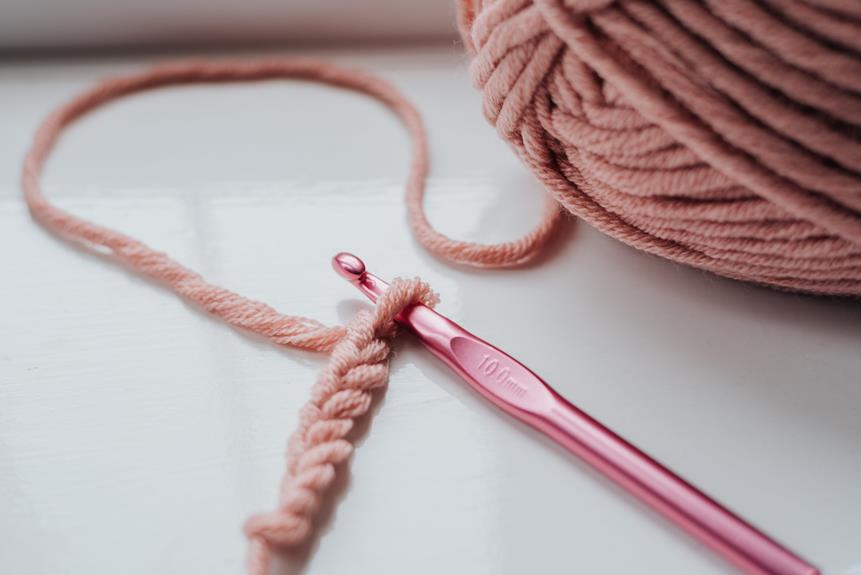
Yarn, with its thicker and more textured strands, is great for creating warm and cozy fabrics like sweaters and blankets.
On the other hand, thread, with its fine and smooth texture, is perfect for creating precise and delicate stitches in sewing projects such as quilting and garment construction.
By knowing the strengths and weaknesses of each, you can make informed decisions about which material to use for your fabric projects.
Let's explore the best uses for yarn and thread to help you master the art of fabric crafting.
Key Takeaways
- Yarn is thicker and more textured compared to thread, making it ideal for creating warm and cozy fabrics like sweaters and blankets.
- Yarn adds depth and texture to woven patterns and designs, allowing for endless design possibilities.
- Yarn is great for creating sturdy and long-lasting fabric projects, and it comes in a variety of weights and colors.
- Thread is specifically designed for sewing and is ideal for creating precise and delicate stitches, making it suitable for thinner and more delicate fabrics.
Yarn Vs Thread: Understanding the Differences
In your sewing projects, understanding the differences between yarn and thread is crucial for achieving the best results. Yarn is a long continuous length of interlocked fibers, commonly used for knitting, weaving, and crocheting. On the other hand, thread is a tightly twisted strand of two or more plys of yarn, specifically designed for sewing.
When choosing between yarn and thread, it's essential to consider the fabric characteristics and the weaving techniques you'll be using. Yarn is better suited for woven fabrics, as its bulkier nature fills the space in the weave, whereas thread, being finer, is ideal for sewing thinner, more delicate fabrics.
Moreover, the textile properties of the fabric should also influence your choice. If the fabric is heavy and thick, using yarn for sewing would provide better seam strength and durability. Conversely, when working with lightweight fabrics, using thread is advisable to prevent bulkiness in the seams.
Understanding these distinctions will enable you to make informed decisions, ensuring that your sewing projects have the perfect finish and desired durability.
Strengths and Weaknesses of Yarn
When selecting fabric materials for your sewing projects, consider the strengths and weaknesses of yarn to ensure the best results.
Yarn offers exceptional durability, making it a great choice for sturdy and long-lasting creations. The thickness of yarn, known as its weight, varies, allowing you to choose the perfect yarn for your specific project. Additionally, yarn comes in a wide array of colors, providing you with endless possibilities for your designs.
On the other hand, yarn's fineness may not be suitable for intricate or delicate projects, as it can be challenging to achieve the level of detail that finer threads allow. Furthermore, yarn can be prone to knotting issues, which may pose challenges during the sewing process. It's essential to carefully consider these factors when deciding whether to use yarn for your sewing endeavors.
Understanding the strengths and weaknesses of yarn empowers you to make informed decisions about the materials you use. By weighing the durability, color variety, and potential challenges such as knotting issues, you can ensure that your sewing projects turn out just the way you envision them.
Strengths and Weaknesses of Thread
Consider the strengths and weaknesses of thread when selecting fabric materials for your sewing projects. Thread durability and flexibility play a crucial role in determining the quality of the final product.
- Thread Durability: A strong thread is essential for ensuring that your seams and hems can withstand everyday wear and tear. High-quality thread will prevent your garments from unraveling and prolong their lifespan.
- Flexibility: Thread that offers some degree of stretch and flexibility is ideal for sewing projects involving stretchy fabrics or items that require movement, such as activewear or dance costumes. It allows the fabric to move with the body without breaking the stitches.
- Weak Points: Threads can be prone to fraying or breaking under stress, especially if the wrong type of thread is used for a particular fabric or project. Understanding the limitations of different threads is crucial to avoid potential issues.
- Colorfastness: Some threads may not hold their color well, especially after multiple washes, which can affect the overall appearance of the garment over time.
Best Uses for Yarn in Fabric Projects
To ensure the strength and durability of fabric projects, it's essential to understand the best uses for yarn, especially in comparison to thread.
Yarn is incredibly versatile and has a wide range of applications in fabric projects. One of the best uses for yarn is in weaving. Yarn's thicker and more substantial nature compared to thread makes it ideal for creating intricate woven patterns and designs, adding depth and texture to the fabric.
Additionally, yarn is perfect for crochet patterns. Its flexibility and ability to hold different shapes make it the preferred material for creating unique and intricate crochet designs. Whether you're making a cozy blanket, a stylish sweater, or a decorative table runner, yarn provides the strength and visual appeal that can elevate your fabric projects.
Best Uses for Thread in Fabric Projects
In fabric projects, thread excels in creating delicate and intricate stitches, complementing the strength and texture provided by yarn.
When it comes to thread tension, it's crucial in sewing as it directly affects the quality of the stitches. Proper tension ensures that the thread is neither too loose nor too tight, resulting in neatly finished seams and preventing thread breakage.
Thread color also plays a significant role in fabric design, evoking emotions and setting the mood of the piece. The right color choice can enhance the overall aesthetic and bring harmony to the project, while the wrong one may detract from the desired effect. Additionally, the type of fabric being used will influence which thread color will best complement the material.
Whether you're creating intricate embroidery or stitching together a garment, the right thread color can elevate your fabric project to new heights.
Frequently Asked Questions
Can Yarn and Thread Be Used Interchangeably in Fabric Projects?
Yes, yarn and thread can be used interchangeably in fabric projects, but there are differences. Yarn is thicker and adds texture, while thread is finer and better for detailed work. Consider these when choosing.
What Are the Different Types of Yarn and Thread Available for Fabric Projects?
When it comes to fabric projects, you have a variety of yarn and thread types to choose from. Each has unique characteristics and applications, so it's important to compare their benefits and drawbacks before making a decision.
How Do Yarn and Thread Affect the Drape and Texture of the Fabric?
When it comes to yarn vs thread, the texture, drape, and feel of the fabric are all influenced. Yarn creates a thicker, bulkier texture, while thread offers a finer, smoother feel and drape.
Are There Any Specific Care Instructions for Fabric Made With Yarn Versus Fabric Made With Thread?
When caring for fabric made with yarn versus fabric made with thread, always check the care instructions on the label. Yarn-based fabrics may require more delicate handling, while thread-based fabrics might be more durable. Follow maintenance tips accordingly for best results.
Can Yarn or Thread Affect the Durability and Longevity of the Fabric Differently?
Durability and material longevity can be affected differently by yarn and thread in fabric. Yarn tends to create a bulkier texture, while thread results in a smoother finish. Care instructions may vary based on these fabric types.