
If you want durability and warmth, wool gabardine works best—its tight weave resists wear and handles cooler climates well. Cotton gabardine suits you if you prefer lightweight, breathable fabric for hot weather, offering softness and easy care. Wool fights wrinkles and moisture better, while cotton feels cooler and drapes nicely. Your choice depends on comfort and climate needs, but there’s more to discover about how each fabric fits your wardrobe perfectly.
Key Takeaways
- Wool gabardine offers superior durability, wrinkle resistance, and warmth, ideal for suits and outerwear in cooler climates.
- Cotton gabardine is lightweight, breathable, and comfortable, making it perfect for warm-weather garments like shirts and casual pants.
- Wool gabardine excels at moisture absorption and heat insulation, keeping you dry and warm during colder seasons.
- Cotton gabardine is easier to clean and maintain but can shrink, while wool requires more delicate care to preserve its quality.
- Choose wool gabardine for long-lasting structure and warmth; opt for cotton gabardine when prioritizing breathability and easy care.
Understanding Gabardine Fabric
Gabardine is a tightly woven fabric known for its durability and smooth finish. When you choose gabardine, you’re picking a material that resists wrinkles and holds its shape well, making it ideal for structured garments like suits and trousers.
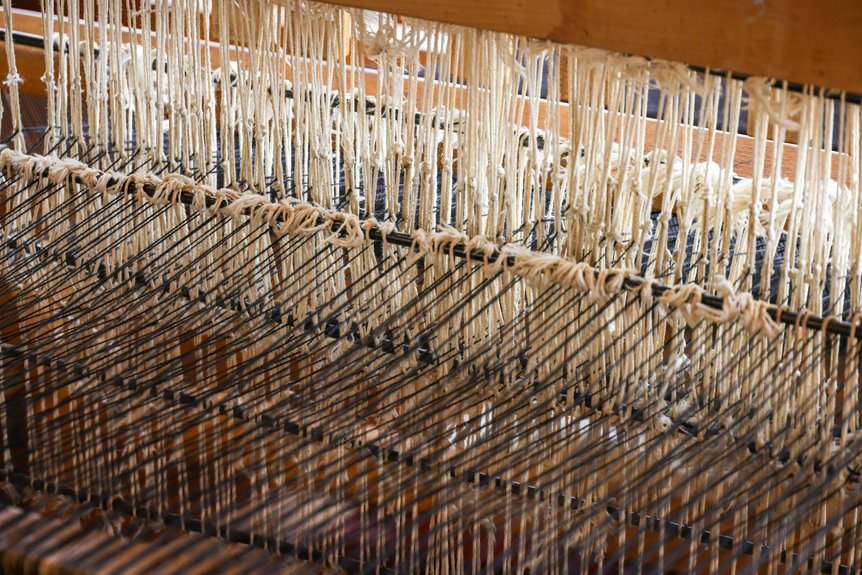
The fabric’s diagonal rib pattern, created by a twill weave, gives it subtle texture and strength. You’ll find gabardine made from various fibers, but its defining feature lies in the weaving technique rather than the material itself.
This means gabardine can vary in feel and weight depending on the fiber used, but it always offers a firm, smooth surface. Understanding these basics helps you appreciate why gabardine is favored for tailored clothing that needs to look sharp and last.
Key Characteristics of Wool Gabardine
When you choose wool gabardine, you’re opting for a fabric that blends strength with natural breathability. This makes it a popular choice for tailored garments that need to hold their shape while keeping you comfortable.
Here’s what you should know about wool gabardine:
- Durability – Its tightly woven twill structure resists wear and tear, lasting through frequent use.
- Wrinkle Resistance – Wool fibers naturally bounce back, so it stays crisp without constant ironing.
- Moisture Wicking – It absorbs moisture yet dries quickly, keeping you dry during varying temperatures.
- Insulation – Wool traps heat efficiently, making it ideal for cooler climates without feeling heavy.
These traits combine to create a versatile, high-performance fabric that suits both formal and casual wear.
Key Characteristics of Cotton Gabardine
Cotton gabardine offers a lightweight and breathable option that’s perfect for warmer weather and casual styles.
Lightweight and breathable, cotton gabardine is ideal for warm weather and relaxed, casual looks.
You’ll notice its tight twill weave provides a smooth, slightly lustrous surface that resists wrinkles better than many other cotton fabrics. This fabric drapes well, giving your garments a clean, tailored look without feeling heavy or stiff.
Cotton gabardine is also quite versatile, making it ideal for chinos, light jackets, and casual trousers. Because it’s made from natural fibers, it’s comfortable against your skin and allows airflow, helping you stay cool.
Plus, it’s easy to care for—usually machine washable and quick to dry. If you want a fabric that balances style, comfort, and practicality for everyday wear, cotton gabardine fits the bill perfectly.
Comparing Durability and Comfort
While cotton gabardine shines in comfort and breathability, durability often plays a key role in choosing the right fabric for your wardrobe.
When comparing wool and cotton gabardine, consider these factors:
- Durability: Wool gabardine is naturally more durable, resisting wear and tear better than cotton.
- Comfort: Cotton gabardine feels softer and cooler, making it ideal for warmer climates.
- Moisture Management: Wool excels at wicking moisture, keeping you dry in varying conditions.
- Care Requirements: Cotton is easier to clean but may shrink, while wool demands more delicate handling.
Best Uses for Wool and Cotton Gabardine
Choosing the right gabardine fabric depends on how and where you plan to wear it. Wool gabardine suits cooler weather and formal settings, while cotton gabardine excels in warm climates and casual occasions. Understanding these uses helps you pick the best fit for your wardrobe.
| Fabric Type | Ideal Climate | Best Garments |
|---|---|---|
| Wool Gabardine | Cold to Mild | Suits, Trousers, Coats |
| Cotton Gabardine | Warm to Hot | Shirts, Pants, Jackets |
| Both | Shift | Blazers, Skirts |
If you want durability with warmth, go for wool. If breathability and comfort in heat matter more, cotton’s your choice.
Frequently Asked Questions
How Should I Care for Wool Gabardine Garments?
You should dry clean wool gabardine garments to keep them looking sharp. Avoid washing them at home, and store them in a cool, dry place. Use a brush to remove surface dirt and prevent damage.
Is Cotton Gabardine Suitable for Summer Wear?
You might think cotton gabardine feels heavy, but it’s actually breathable and lightweight. You’ll stay comfortable in summer since it wicks moisture well and offers durability without overheating, making it a smart choice for warm weather.
Can Wool Gabardine Be Dyed Easily?
You can dye wool gabardine, but it requires special wool-friendly dyes and careful handling to avoid damage. It’s not as straightforward as cotton, so you’ll want to follow specific dyeing instructions for best results.
Are Wool and Cotton Gabardine Fabrics Eco-Friendly?
Like choosing between the Garden of Eden’s fruits, you’ll find wool gabardine is renewable and biodegradable, while cotton gabardine depends on water and pesticides. You’ll want to weigh their eco-friendliness based on your values and impact.
Which Fabric Wrinkles Less: Wool or Cotton Gabardine?
You’ll find wool gabardine wrinkles less than cotton because wool’s natural elasticity helps it bounce back. Cotton tends to crease more easily, so if you want a smoother look throughout the day, wool’s a better choice.