
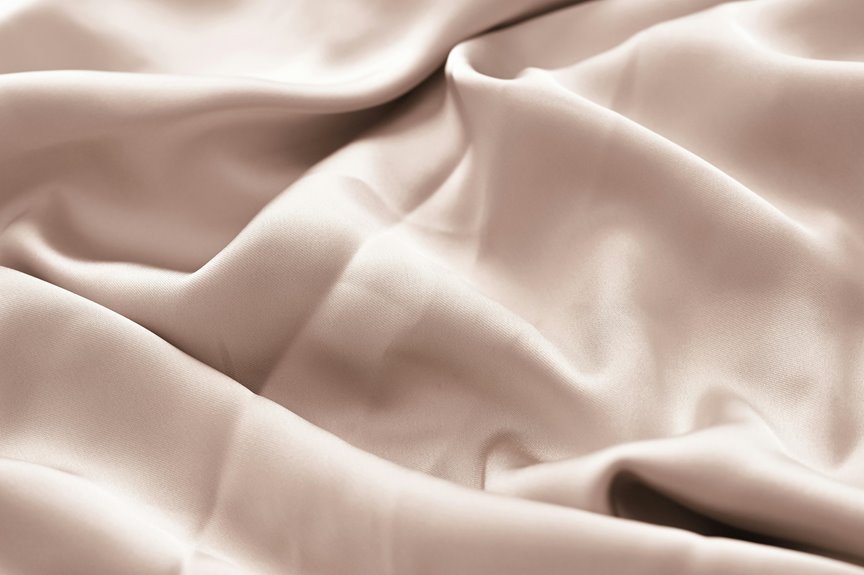
You’ll find nonwoven fabric so versatile because its unique manufacturing processes produce a lightweight, durable, and flexible material tailored for countless uses. Whether it’s spunbond, meltblown, or needle punching, each technique shapes fabrics to be breathable, strong, and adaptable. This makes them ideal for medical gear, hygiene products, automotive interiors, and more. Plus, their eco-friendly and innovative blends keep pushing boundaries. There’s plenty more about how these fabrics fit into everyday life and future tech.
Key Takeaways
- Nonwoven fabrics are made using diverse techniques like spunbond and meltblown, allowing customization of thickness, texture, and strength.
- Their properties such as durability, breathability, and flexibility enable use across protection, comfort, and functional applications.
- Advanced fiber blending tailors unique performance characteristics, enhancing softness, strength, and liquid resistance for varied needs.
- Lightweight and eco-friendly production supports sustainability while maintaining high performance and adaptability.
- Their wide application range spans healthcare, hygiene, automotive, and filtration, demonstrating broad functional versatility.
Unique Manufacturing Processes Behind Nonwoven Fabrics
Although nonwoven fabrics might look simple, their manufacturing involves unique processes that set them apart from traditional textiles.
Nonwoven fabrics may appear simple, but their production uses distinct processes unlike traditional textiles.
When you explore nonwoven production, you’ll find methods like spunbond, meltblown, and needle punching. Each technique creates fabric without weaving or knitting fibers, speeding up manufacturing and reducing costs.
For instance, spunbond uses continuous filaments laid randomly, while meltblown produces fine fibers from molten polymer. Needle punching mechanically entangles fibers, giving the fabric strength and durability.
These processes let you customize fabric thickness, texture, and strength based on your needs. Unlike traditional textiles, you don’t rely on interlacing threads but instead bond fibers through heat, chemicals, or mechanical means.
This flexibility in production is why nonwoven fabrics can fit so many different applications.
Key Properties That Enhance Nonwoven Fabric Performance
The unique manufacturing methods that create nonwoven fabrics also influence their key performance properties. When you choose nonwoven fabric, you benefit from durability, breathability, and flexibility—qualities that set it apart. These properties allow the fabric to adapt to your needs, whether for protection, comfort, or functionality.
| Attribute | Benefit | Emotion Evoked |
|---|---|---|
| Durability | Long-lasting use | Confidence |
| Breathability | Comfort all day | Relief |
| Flexibility | Easy movement | Freedom |
Understanding these key properties helps you appreciate why nonwoven fabrics perform so well in diverse environments, making them your reliable choice for numerous applications.
Applications in the Medical and Healthcare Industry
Because nonwoven fabrics combine durability, breathability, and flexibility, you’ll find them vital in medical and healthcare settings.
You rely on these fabrics for disposable surgical gowns, masks, and drapes that protect patients and staff by providing barriers against fluids and contaminants. Their lightweight nature guarantees comfort during long procedures, while their strength maintains integrity under stress.
You’ll also see nonwovens used in wound dressings and bandages, where they promote healing by allowing air circulation and absorbing exudate.
Additionally, these fabrics support infection control by enabling single-use, reducing cross-contamination risks. Their cost-effectiveness and ease of sterilization make them practical for high-demand environments.
In short, nonwoven fabrics play a pivotal role in guaranteeing safety, hygiene, and efficiency in healthcare, helping you provide better patient care every day.
Role of Nonwovens in Hygiene and Personal Care Products
Nonwoven fabrics don’t just keep medical environments safe—they also play a big part in your daily hygiene and personal care routines.
When you use diapers, sanitary pads, or wipes, nonwovens provide softness, absorbency, and breathability. These materials help keep you comfortable and dry by efficiently managing moisture.
In personal care products like facial masks and cleansing wipes, nonwovens deliver gentle yet effective cleansing without irritating your skin.
Thanks to their lightweight and flexible nature, nonwoven fabrics conform well to your body, enhancing fit and performance.
Plus, manufacturers can engineer them to be disposable and hygienic, reducing contamination risks.
Use of Nonwoven Materials in Automotive Interiors
Automotive interiors rely heavily on innovative materials to enhance comfort, durability, and aesthetics—and nonwoven fabrics fit the bill perfectly.
When you sit inside a car, nonwovens contribute to sound insulation, reducing road noise for a quieter ride. They also serve as lightweight, breathable layers beneath upholstery, improving comfort without adding bulk.
You’ll find nonwoven materials in headliners, door panels, and carpet backings, where their moisture resistance and durability help maintain the interior’s quality over time.
Plus, they support efficient manufacturing by being easy to cut and shape, saving you time and cost.
Nonwoven Fabrics in Home Furnishings and Decor
You’ll find nonwoven fabrics make durable upholstery materials that stand up to daily use.
They also offer creative possibilities for decorative accents in your home.
Let’s explore how these fabrics enhance both function and style in home furnishings.
Durable Upholstery Materials
Although many people don’t realize it, durable upholstery materials play an essential role in your home’s comfort and style. Nonwoven fabrics provide strength and resilience to furniture, ensuring your sofas and chairs withstand daily use without losing shape or support.
You’ll appreciate how these materials resist wear, stains, and fading, extending the life of your upholstery. Nonwovens also offer breathability, helping maintain a comfortable seating temperature.
Plus, their lightweight nature makes furniture easier to move and handle during cleaning or rearranging. By choosing nonwoven fabrics for upholstery, you get a practical, long-lasting solution that doesn’t sacrifice comfort or aesthetics.
This versatility makes nonwoven materials a smart choice for durable, everyday home furnishings you can rely on.
Decorative Nonwoven Applications
Nonwoven fabrics bring a fresh dimension to home decor by combining style and function effortlessly.
When you choose decorative nonwovens, you’re adding unique textures and patterns to your living space without sacrificing practicality. These fabrics work wonderfully for curtains, wall coverings, and lampshades, offering durability and easy maintenance.
You’ll find they resist fading and wrinkling better than many traditional textiles. Plus, their lightweight nature makes installation and cleaning hassle-free.
Whether you want a bold accent or subtle background, nonwoven materials adapt to your design vision while enhancing comfort and longevity.
Environmental Benefits and Sustainability of Nonwovens
Because you care about the planet, understanding the environmental benefits of nonwovens is essential.
These fabrics often use less water and energy during production compared to traditional textiles, reducing their overall ecological footprint. You’ll find many nonwovens are made from recycled or biodegradable materials, helping to minimize waste.
Nonwovens use less water and energy, often made from recycled or biodegradable materials to reduce waste.
Plus, their lightweight nature means transportation requires less fuel, lowering carbon emissions. Nonwoven fabrics also support sustainability by enabling single-use products that prevent contamination and waste in healthcare and hygiene, reducing environmental harm.
When you choose nonwoven products, you’re opting for materials designed to balance performance with eco-consciousness. This makes nonwovens a smart choice for industries and consumers aiming to reduce environmental impact without sacrificing quality or functionality.
Innovations Driving the Future of Nonwoven Fabric Technology
You’re about to explore how advanced fiber blending is transforming nonwoven fabrics, making them stronger and more versatile.
You’ll also see how smart nonwoven applications are adding functionality that meets modern demands.
These innovations are shaping the future of this dynamic material.
Advanced Fiber Blending
Although traditional fibers have served well, advanced fiber blending is pushing nonwoven fabric technology into new domains.
When you combine different fibers—like natural with synthetic or microfibers with staples—you reveal unique properties that single fibers alone can’t achieve. This means you can tailor fabrics for enhanced strength, softness, breathability, or liquid resistance depending on your needs.
You’ll find that blending fibers at the molecular level also improves durability and functionality, making nonwovens more adaptable across industries like healthcare, automotive, and filtration.
By experimenting with fiber ratios and types, manufacturers give you more choices for performance and sustainability.
Advanced fiber blending lets you create nonwoven fabrics that are precisely engineered, versatile, and ready to meet the demands of tomorrow’s applications.
Smart Nonwoven Applications
Building on advanced fiber blending, smart nonwoven applications are transforming how you experience fabric technology.
These innovative materials respond to your environment and needs, offering features like moisture management, temperature regulation, and even antibacterial properties. Imagine clothing that adapts to your body heat or medical dressings that promote faster healing.
Smart nonwovens integrate sensors and conductive fibers, enabling wearable tech that tracks your health in real time. You’ll find these fabrics in sportswear, healthcare, and even automotive interiors, enhancing comfort and functionality.
As technology advances, nonwoven fabrics become more interactive and personalized, giving you solutions that not only perform but also connect seamlessly with your lifestyle.
This ongoing innovation guarantees nonwovens remain at the forefront of fabric technology.
Frequently Asked Questions
How Do Nonwoven Fabrics Compare Cost-Wise to Woven Fabrics?
You’ll find nonwoven fabrics generally cost less than woven ones because they require less labor and time to produce. This makes them a budget-friendly option, especially for disposable or short-term use products.
Can Nonwoven Fabrics Be Recycled Easily?
You can recycle some nonwoven fabrics, but it depends on the materials used and local facilities. Since many contain mixed fibers or adhesives, recycling isn’t always straightforward or widely available, so check your area’s options first.
What Are the Common Challenges in Producing Nonwoven Fabrics?
Did you know over 60% of nonwoven production faces filtration challenges? You’ll encounter issues like fiber uniformity, bonding consistency, and maintaining strength, so you need precise control of machinery and raw materials to guarantee quality fabrics every time.
How Do Nonwoven Fabrics Perform in Extreme Weather Conditions?
You’ll find nonwoven fabrics resist moisture and temperature changes well, keeping strength and flexibility in extreme weather. They’re often treated to enhance durability, so you can rely on them in harsh cold, heat, or wet conditions.
Are Nonwoven Fabrics Safe for Direct Skin Contact?
You can safely wear nonwoven fabrics directly on your skin since they’re designed to be hypoallergenic and breathable. Just check the product details to verify it’s free from irritants or harsh chemicals that might cause discomfort.