
Is it possible that bamboo’s rise in popularity stems from more than just its eco-friendly image? While marketers tout its rapid growth and versatility, the underlying sustainability issues beg further examination. As consumers become more aware of the environmental impacts linked to large-scale bamboo cultivation, it raises questions about the balance between style and genuine sustainability. What factors really drive this trend, and how should you navigate your choices in a market filled with greenwashing?
Key Takeaways
- Bamboo’s fast growth and renewable nature appeal to consumers seeking eco-friendly alternatives despite potential sustainability issues.
- Strong marketing emphasizes bamboo’s environmental benefits, influencing public perception and driving demand for its products.
- Social media promotion showcases bamboo’s aesthetic qualities, enhancing its appeal in the fashion industry.
- Bamboo’s versatility and applications across various industries contribute to its popularity among environmentally conscious consumers.
- Awareness of sustainability concerns fosters a critical consumer base that encourages brands to adopt genuinely sustainable practices.
Environmental Benefits of Bamboo
When it comes to sustainable materials, bamboo stands out for its impressive environmental benefits.
You’ll find that bamboo grows incredibly fast, often reaching maturity in just three to five years, making it a renewable resource. Unlike traditional timber, bamboo doesn’t require replanting after harvesting, as its root system remains intact, promoting soil stability.
Additionally, its strong structure means it can replace less sustainable materials, reducing deforestation pressures. As you consider your options, you’ll appreciate that bamboo absorbs more carbon dioxide than many trees, contributing to cleaner air.
Plus, its natural resistance to pests means it can often grow without harmful pesticides, making it a safer choice for the environment. Embracing bamboo supports a healthier planet for future generations.
Water and Resource Efficiency of Bamboo
When you think about bamboo, consider how little water it needs to grow compared to other plants.
It thrives in a variety of climates, making it a versatile choice for many environments.
Plus, its ability to regenerate soil makes it a sustainable option that benefits the ecosystem.
Minimal Water Requirements
Although many plants struggle with water scarcity, bamboo thrives with minimal water requirements, making it an incredibly resource-efficient choice for sustainable cultivation.
You’ll appreciate that bamboo can grow in various environments, needing considerably less water than traditional crops. This adaptability not only supports its growth but also conserves essential water resources.
By choosing bamboo, you help reduce strain on local water supplies, especially in regions facing drought. Its deep root system allows it to access underground moisture, ensuring it flourishes even during dry spells.
With bamboo, you’re not only opting for a versatile material but also embracing a plant that prioritizes water efficiency, contributing to a more sustainable future while minimizing your environmental footprint.
Thrives in Diverse Climates
Bamboo flourishes across a variety of climates, proving its versatility and resilience. Whether you’re in a tropical region or a temperate zone, bamboo adapts remarkably well.
You’ll find it thriving in humid areas, as well as in drier, less hospitable environments. This adaptability means you can cultivate bamboo in many locations, making it a popular choice for landscaping and construction alike.
Its ability to grow quickly and establish deep root systems allows it to utilize available resources efficiently, minimizing the need for extensive irrigation. This efficiency not only helps in water conservation but also supports sustainable practices.
Soil Regeneration Benefits
While many plants deplete soil nutrients over time, bamboo actually enriches the earth around it. Its extensive root system helps prevent soil erosion, allowing nutrients to remain intact. Additionally, bamboo’s rapid growth provides consistent organic matter, which enhances soil fertility. By cultivating bamboo, you promote a healthier ecosystem that supports other plants, too.
Here’s a quick overview of bamboo’s soil regeneration benefits:
| Benefit | Description |
|---|---|
| Erosion Control | Roots anchor soil, preventing loss |
| Nutrient Enrichment | Decomposing leaves add organic matter |
| Biodiversity Support | Improves habitat for various organisms |
| Water Retention | Enhances soil structure for better moisture |
Incorporating bamboo into your landscape can lead to a thriving, sustainable environment.
Economic and Social Impacts of the Bamboo Industry
The bamboo industry can considerably boost rural livelihoods by providing jobs and income opportunities.
As you explore its role in agroforestry, you’ll see how it empowers local communities and promotes sustainable practices.
Understanding these economic and social impacts reveals why bamboo is more than just a versatile plant.
Rural Livelihood Support
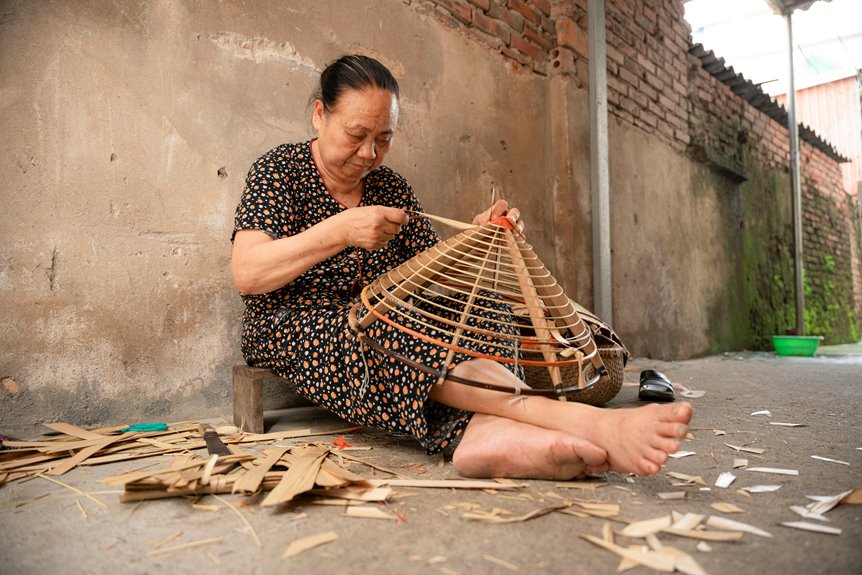
As communities increasingly turn to the bamboo industry, they discover a powerful tool for enhancing rural livelihoods. Bamboo offers a sustainable source of income through various products like furniture, crafts, and construction materials.
By engaging in bamboo cultivation and processing, you create jobs and stimulate local economies. This industry often empowers women, providing them with opportunities for entrepreneurship and financial independence.
Additionally, the bamboo trade can help reduce poverty by offering fair wages and stable employment. As you invest in bamboo, you’re not just fostering economic growth; you’re also promoting social cohesion within your community.
The bamboo industry has the potential to transform lives, creating a ripple effect that benefits families and strengthens rural resilience.
Agroforestry Empowerment Benefits
Bamboo’s role in supporting rural livelihoods seamlessly connects to its potential within agroforestry systems. By integrating bamboo into these systems, you can enhance both economic and social benefits. The versatility of bamboo creates jobs, boosts income, and fosters community resilience.
| Economic Benefits | Social Benefits | Environmental Benefits |
|---|---|---|
| Job creation | Community cohesion | Soil improvement |
| Increased income | Skill development | Biodiversity support |
| Sustainable products | Empowerment of women | Carbon sequestration |
| Local market growth | Cultural preservation | Erosion control |
Market Growth and Industrial Use of Bamboo
While many may associate bamboo primarily with decorative landscaping, its market growth and industrial use are rapidly expanding due to its versatility and sustainability.
You’ll find bamboo in various sectors, from construction materials to textiles. Its strength and lightweight properties make it an excellent alternative to traditional wood and plastic.
In the furniture industry, designers are increasingly opting for bamboo to create stylish, eco-friendly pieces. Additionally, bamboo’s rapid growth rate allows for a continuous supply, appealing to businesses aiming for sustainable sourcing.
As consumers become more environmentally conscious, demand for bamboo products is set to rise, driving innovation and new applications.
Embracing bamboo in your projects can’t only enhance aesthetics but also contribute to a greener future.
Sustainability Challenges and Criticisms of Bamboo Cultivation
Though bamboo is often hailed for its eco-friendly characteristics, its cultivation isn’t without sustainability challenges and criticisms. You might be surprised to learn that:
- Invasive Nature: Bamboo can spread rapidly and outcompete local flora, disrupting ecosystems and threatening biodiversity.
- Monoculture Practices: Large-scale bamboo plantations can lead to monocultures, which deplete soil nutrients and weaken resilience against pests and diseases.
- Resource-Intensive Farming: While bamboo itself grows quickly, the processes involved in cultivation—such as land clearing and water usage—can be detrimental to the environment if not managed sustainably.
Understanding these challenges is essential to making informed choices about bamboo products and their impact on the planet. You might find that not all bamboo is created equal when it comes to sustainability.
Public Perceptions and the Fashion Industry’s Influence on Bamboo Popularity
The challenges surrounding bamboo cultivation have sparked a growing interest in its potential benefits, particularly within the fashion industry.
You may notice how brands promote bamboo fabrics as eco-friendly alternatives to cotton or synthetic materials, appealing to your desire for sustainable choices. This marketing strategy influences public perceptions, painting bamboo as a trendy, green option.
Social media also plays a significant role; influencers showcase bamboo clothing, reinforcing its appeal in your mind.
However, while the aesthetics and sustainability claims are compelling, it’s important to dig deeper. You should consider the full environmental impact of bamboo production, separating the fashion industry’s narrative from the realities of its cultivation.
Ultimately, your choices can drive demand for more genuinely sustainable options.
Frequently Asked Questions
How Does Bamboo Compare to Other Sustainable Materials Like Hemp or Organic Cotton?
When comparing bamboo to hemp or organic cotton, you’ll find bamboo grows faster and requires less water. However, hemp offers superior durability, while organic cotton provides better breathability. Each material has its unique benefits for sustainability.
What Are the Main Environmental Concerns Regarding Bamboo Fabric Processing?
When you consider bamboo fabric processing, you’ll find concerns about chemical use, water consumption, and land impact. These factors can undermine bamboo’s sustainability, leading you to question its overall environmental benefits compared to other materials.
Are There Certifications for Sustainably Sourced Bamboo Products?
Think of certifications as a safety net for your choices. Yes, there are certifications for sustainably sourced bamboo products, like OEKO-TEX and FSC, ensuring the bamboo’s journey respects the environment while delivering quality to you.
How Does Bamboo’S Rapid Growth Impact Local Ecosystems?
Bamboo’s rapid growth creates competition for light and nutrients, potentially disrupting local ecosystems. However, its quick regeneration can also restore degraded areas, offering both challenges and benefits for the habitats surrounding it.
What Are the Health Implications of Bamboo Textiles on Consumers?
You’d think bamboo textiles are all good vibes, but not everyone’s thrilled. Some folks experience skin irritations from chemicals used in processing. So, while you’re cozy, your skin might not be having quite the same experience.