
Did you know that about 30% of the world’s cotton production is used in household textiles? While cotton is popular for its softness, it can be tricky to maintain. If you’re looking for natural fabrics that are easier to clean and care for, you might want to take into account alternatives like hemp or bamboo. Let’s explore how these fabrics stack up against cotton and linen regarding cleaning and maintenance.
Key Takeaways
- Cotton is easy to maintain, requiring cold or warm washing and gentle detergent, while resisting most stains if pretreated.
- Hemp’s dense fibers naturally resist stains and can be washed in cold water on a gentle cycle with eco-friendly detergent.
- Linen needs regular cleaning but can be washed in cold water and air-dried, maintaining its crispness without much effort.
- Jute is low-maintenance with regular vacuuming and occasional spot cleaning; it dries quickly when air-dried properly.
- Bamboo is machine washable on a gentle cycle and requires low heat for ironing, making it convenient for everyday use.
Overview of Natural Fabrics
When you choose natural fabrics, you’re opting for materials derived from plants or animals, which offer unique qualities and benefits.
Choosing natural fabrics means embracing materials from nature, bringing unique qualities and benefits to your lifestyle.
These fabrics, like cotton, linen, wool, and silk, tend to be breathable and hypoallergenic, making them a comfortable choice for various applications. You’ll appreciate their ability to regulate temperature, keeping you cool in summer and warm in winter.
Natural fabrics also possess a certain aesthetic appeal, often providing a richer texture and vibrant colors. While they can be more susceptible to wrinkles or stains compared to synthetic options, their sustainability and biodegradability make them an eco-friendly choice.
Understanding these traits helps you make informed decisions on selecting the right fabric for your needs, ensuring durability and comfort in your lifestyle.
Cleaning and Maintenance of Cotton
Although cotton is known for its softness and versatility, proper cleaning and maintenance are vital to keep it looking its best.
Wash cotton items in cold or warm water to prevent shrinking and fading. Use a gentle detergent, and avoid bleach unless absolutely necessary, as it can weaken the fibers. For stubborn stains, pretreat them before washing.
When drying, opt for a low heat setting to maintain the fabric’s integrity; air drying is also a great option.
Iron your cotton pieces while they’re still slightly damp to remove wrinkles effectively. Store cotton items in a cool, dry place to prevent mildew.
Cleaning and Maintenance of Linen
To keep your linen looking its best, regular cleaning and maintenance are essential. Here are some tips to help you care for your linen items:
- Wash in cold water: Use a gentle cycle to prevent wrinkles and maintain the fabric’s integrity. Hot water can weaken the fibers over time.
- Air dry: Instead of using a dryer, hang your linen to dry. This helps keep it crisp and reduces the chances of shrinking or fading.
- Iron while damp: If you want to achieve that smooth look, iron your linen while it’s still slightly damp. This makes the process easier and gives you better results.
Cleaning and Maintenance of Hemp
When it comes to cleaning hemp, it’s crucial to follow specific washing instructions to keep it in great shape.
You’ll find that hemp naturally resists stains, making maintenance easier than with many other fabrics.
Let’s explore the best practices for washing and caring for your hemp items.
Washing Instructions for Hemp
Since hemp is a durable and eco-friendly fabric, it’s important to follow specific washing instructions to maintain its quality.
Here’s how to wash your hemp items effectively:
- Machine Wash: Use cold water on a gentle cycle. This helps prevent shrinking and preserves the fabric’s strength.
- Detergent: Opt for a mild, eco-friendly detergent. Harsh chemicals can damage the fibers and affect the fabric’s natural properties.
- Air Dry: Instead of using a dryer, hang your hemp items to air dry. This prevents any potential shrinkage and keeps the fibers intact.
Stain Resistance Features
Hemp fabric naturally offers some stain resistance due to its dense fibers and unique structure. This makes it a great choice for everyday use, as it can handle spills better than many other fabrics. While it’s not completely stain-proof, its ability to repel moisture helps keep stains from setting in quickly.
Here’s a quick comparison of hemp’s stain resistance features:
| Feature | Benefit | Considerations |
|---|---|---|
| Dense Fibers | Resists liquid penetration | May require prompt cleaning |
| Natural Oils | Offers some stain resistance | Not completely waterproof |
| Easy to Maintain | Simplifies cleaning process | Use mild detergents |
Cleaning and Maintenance of Jute
Although jute is a robust and eco-friendly fabric, proper cleaning and maintenance are essential to preserve its natural beauty and longevity.
To keep your jute items looking their best, follow these simple steps:
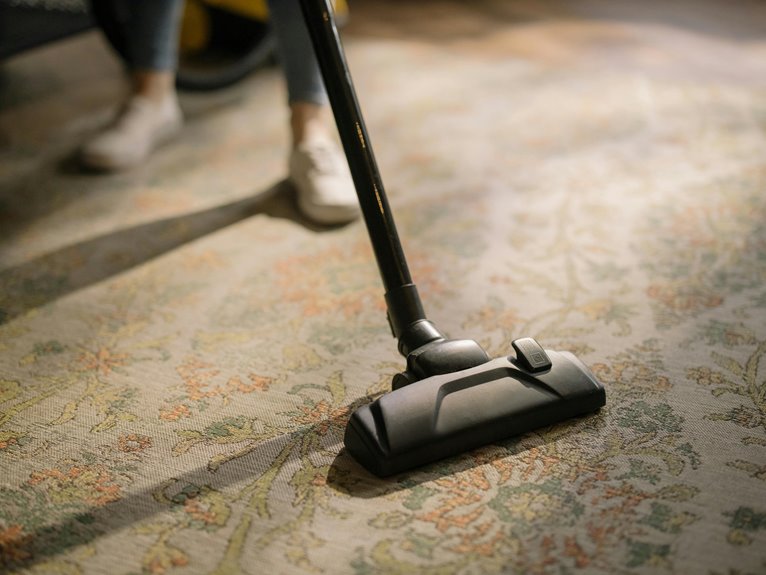
- Vacuum Regularly: Use a vacuum with a brush attachment to remove dust and debris. This prevents dirt from settling into the fibers.
- Spot Clean: For stains, gently blot the affected area with a damp cloth and mild soap. Avoid soaking the fabric, as it can weaken the fibers.
- Air Dry: After cleaning, let your jute items air dry completely. Avoid direct sunlight to prevent fading, and never put them in the dryer.
Cleaning and Maintenance of Bamboo
Like jute, bamboo is another sustainable fabric that requires proper care to maintain its attractive appearance and durability.
When cleaning bamboo, always check the care label first. Generally, you can machine wash bamboo fabrics on a gentle cycle using cold water. Avoid bleach and harsh detergents, as they can damage the fibers. For better results, opt for a mild detergent.
Air drying is best; just hang or lay flat to dry. If you need to iron, keep the heat low to prevent scorching.
For stains, treat them promptly with a gentle stain remover. With these simple steps, you’ll keep your bamboo items looking fresh and new, enhancing their longevity and overall appeal.
Environmental Impact of Natural Fabrics
When you consider the environmental impact of natural fabrics, it’s clear that they offer significant advantages over synthetic materials.
Choosing natural fabrics can help you reduce your carbon footprint and promote sustainability.
Opting for natural fabrics is a vital step towards lowering your carbon footprint and embracing sustainability.
Here are three key benefits:
- Biodegradability: Natural fabrics like cotton, linen, and hemp break down naturally, minimizing landfill waste.
- Lower Chemical Use: Growing natural fibers often requires fewer chemicals, reducing pollution and promoting healthier ecosystems.
- Renewable Resources: Most natural fabrics come from plants or animals, which can be replenished, unlike finite synthetic resources.
Natural Cleaning Methods for Fabrics
Natural cleaning methods for fabrics can be both effective and eco-friendly, making them a great choice for maintaining your wardrobe.
To start, mix equal parts of water and white vinegar in a spray bottle. This solution works wonders for deodorizing and removing stains. For tougher spots, sprinkle baking soda directly on the fabric before spraying the vinegar solution; let it sit for a bit, then blot it away.
You can also use natural soap flakes dissolved in warm water for a gentle wash. Always test any solution on a hidden area first to avoid damage.
When washing, opt for cold water and hang your fabrics to dry, preserving their quality while reducing energy use.
Frequently Asked Questions
Can Natural Fabrics Be Dry Cleaned Safely?
Yes, you can dry clean natural fabrics safely, but it’s essential to check the care label first. Some fabrics may react poorly to chemicals, so always consult a professional cleaner if you’re unsure.
What Is the Best Way to Store Natural Fabric Items?
“Out of sight, out of mind,” but that doesn’t apply to storing natural fabrics. Keep them clean, dry, and folded in breathable containers. Avoid direct sunlight to prevent fading and maintain their beauty for years.
How Do I Prevent Fading in Natural Fabrics?
To prevent fading in natural fabrics, keep them out of direct sunlight, wash them in cold water, and avoid harsh detergents. Regularly rotating items can also help maintain their color and vibrancy over time.
Are Natural Fabrics Suitable for Outdoor Use?
Natural fabrics can be suitable for outdoor use, but you’ll need to evaluate durability, resistance to moisture, and UV protection. Choose wisely, and you’ll enjoy comfort, style, and sustainability in your outdoor spaces.
Can I Use Fabric Softeners on Natural Fabrics?
You can use fabric softeners on some natural fabrics, but it’s best to check the care label first. They might reduce absorbency or alter the texture. Consider alternatives like vinegar for a gentler approach.