
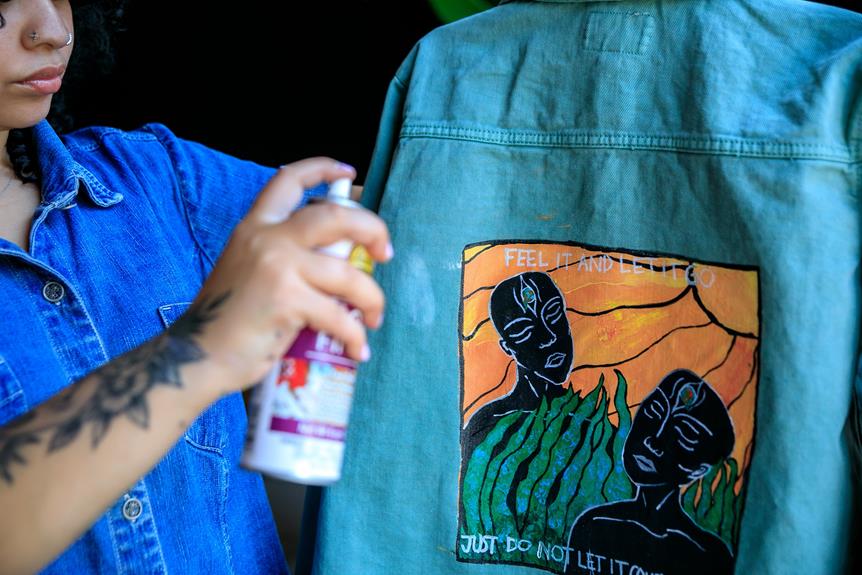
Wondering which fabric protector spray works best? Look no further.
In this guide, you will explore the results of rigorous testing and comparisons to determine the top-performing fabric protector sprays on the market.
Gain insights into the most effective application techniques and discover how to maximize the protective qualities of these sprays.
Whether you're safeguarding your favorite upholstery or preserving the longevity of your clothing, this comprehensive review will provide you with the knowledge you need to make an informed decision.
Get ready to master the art of fabric protection with confidence and precision.
Key Takeaways
- Fabric protector sprays create a protective barrier on fabrics, preventing stains and repelling liquids.
- The effectiveness of fabric protector sprays depends on their chemical composition, with fluorochemicals being commonly used.
- Testing methodology is essential in determining the effectiveness of fabric protector sprays, with factors such as stain resistance and spray coverage being evaluated.
- Top performers in fabric protector sprays, such as Scotchgard Fabric & Upholstery Protector and 303 Fabric Guard, consistently preserve fabric integrity and repel stains.
Understanding Fabric Protector Sprays
To understand fabric protector sprays, you need to grasp their purpose and application. Fabric protector sprays are formulated to create a protective barrier on fabrics, preventing stains and repelling liquids. Understanding their chemical composition is crucial, as it determines their effectiveness and potential environmental impact.
These sprays typically contain fluorochemicals, which form a protective layer on the fabric surface. It's important to note that while fluorochemicals provide effective stain resistance, they've raised concerns regarding their environmental impact. When using fabric protector sprays, it's essential to consider their potential effects on the environment and choose products that minimize harm.
Some sprays are designed with biodegradable or environmentally friendly ingredients to address these concerns. As a consumer, it's important to be aware of the chemical composition of fabric protector sprays and their environmental impact. By understanding these aspects, you can make informed choices and contribute to minimizing the potential environmental consequences associated with the use of these products.
Testing Methodology for Fabric Protector Sprays
When evaluating fabric protector sprays, it's important to understand how they are tested for effectiveness against stains and liquid repellency. Testing accuracy and spray coverage are crucial factors in determining the performance of fabric protector sprays. One common testing method involves applying the fabric protector spray to various fabric samples and then subjecting them to standardized stain-inducing substances such as coffee, wine, and oil. The effectiveness of the spray is then evaluated by the extent to which these substances are repelled or easily removed from the fabric. Another aspect of testing methodology is assessing the spray coverage, which involves examining how uniformly the spray adheres to the fabric surface. This is important as uneven coverage can result in uneven protection against stains and liquid penetration. Below is a table illustrating key aspects of testing methodology for fabric protector sprays:
| Testing Methodology | Description | Importance |
|---|---|---|
| Stain Resistance | Standardized stain-inducing substances are applied to fabric samples to assess repellency | Testing accuracy |
| Spray Coverage | Evaluation of how uniformly the spray adheres to the fabric surface | Even protection |
Understanding the testing methodology for fabric protector sprays is essential in determining their effectiveness and making informed purchasing decisions.
Top Performers: Fabric Protector Spray Reviews
After understanding the testing methodology for fabric protector sprays, you can now explore the top performers through comprehensive reviews.
When evaluating fabric protector sprays, it's crucial to consider their fabric protector durability and stain resistance properties.
Among the top performers, Scotchgard Fabric & Upholstery Protector stands out for its exceptional durability and ability to repel liquids without altering the fabric's feel or breathability. Users have reported that it effectively guards against spills and stains, making it a reliable choice for preserving the pristine look of furniture and clothing.
303 Fabric Guard is another top contender, known for its long-lasting protection against stains and UV rays. It's particularly popular for outdoor fabrics, providing a robust shield against the elements.
Meanwhile, Vectra 32 Fabric Protector has gained recognition for its ability to safeguard delicate fabrics without causing discoloration or stiffness.
These top performers have consistently demonstrated their effectiveness in preserving fabric integrity and repelling stains, making them worthy investments for maintaining the quality of your textiles.
Application Tips for Fabric Protector Sprays
You can achieve optimal results by applying fabric protector spray in a well-ventilated area and holding the can approximately 6 inches away from the fabric surface. This ensures even coverage while preventing oversaturation. When applying the spray, use smooth and steady motions to create a consistent layer of protection.
Start from one end and work your way to the other, slightly overlapping each pass. Remember to apply the spray outdoors or in a well-ventilated area to avoid inhaling fumes and to allow for proper drying.
Effective application techniques include applying multiple light coats rather than one heavy coat. This helps prevent uneven coverage and potential discoloration. Additionally, it's crucial to allow sufficient drying time between coats and before using the treated fabric.
Common mistakes when applying fabric protector spray include holding the can too close to the fabric, resulting in oversaturation and potential damage. Another mistake is failing to test the spray on a small, inconspicuous area of the fabric first to ensure compatibility and desired results.
Maximizing Effectiveness of Fabric Protector Sprays
Maximizing the effectiveness of fabric protector sprays involves carefully following the application instructions and allowing for adequate drying time between coats. To ensure the best results, consider the following:
- Even Coverage: Thoroughly coat the fabric with the protector spray, ensuring that no areas are missed. Pay particular attention to high-traffic areas or spots prone to spills.
- Proper Drying Time: Allow the fabric to fully dry between each coat and before using the treated item. Rushing this step can compromise the effectiveness of the spray.
- Regular Reapplication: Over time, the protective barrier provided by the fabric spray may diminish due to wear and tear. Reapply the fabric protector spray as recommended to maintain its stain prevention and longevity enhancement properties.
Frequently Asked Questions
Can Fabric Protector Sprays Be Used on All Types of Fabric, Including Delicate Materials Like Silk and Wool?
Yes, fabric protector sprays can be used on delicate fabrics like silk and wool. It's important to follow proper application techniques to ensure effective protection without damaging the fabric. Always test on a small, inconspicuous area first.
Are Fabric Protector Sprays Safe to Use on Clothing and Upholstery That Comes Into Contact With Skin?
Fabric protector sprays are generally safe for clothing and upholstery that comes into contact with skin. Follow application methods to ensure proper coverage without oversaturation. Safety concerns are minimal when used as directed.
Can Fabric Protector Sprays Be Used on Outdoor Furniture and Other Items Exposed to the Elements?
When using fabric protector sprays on outdoor furniture, it's important to consider the effectiveness and application method. These sprays can provide a protective barrier against the elements, but proper and even application is key for optimal results.
Will Fabric Protector Sprays Change the Texture or Color of the Fabric They Are Applied To?
Yes, fabric protector sprays help maintain the texture and color of the fabric they're applied to. They form a protective barrier that repels liquids and stains without altering the original look and feel.
How Long Does the Protective Effect of Fabric Protector Sprays Typically Last Before Needing to Be Reapplied?
The longevity of fabric protector sprays varies depending on usage and exposure. It's recommended to reapply every few months for optimal protection. Frequent washing or heavy use may require more frequent reapplication to maintain effectiveness.