
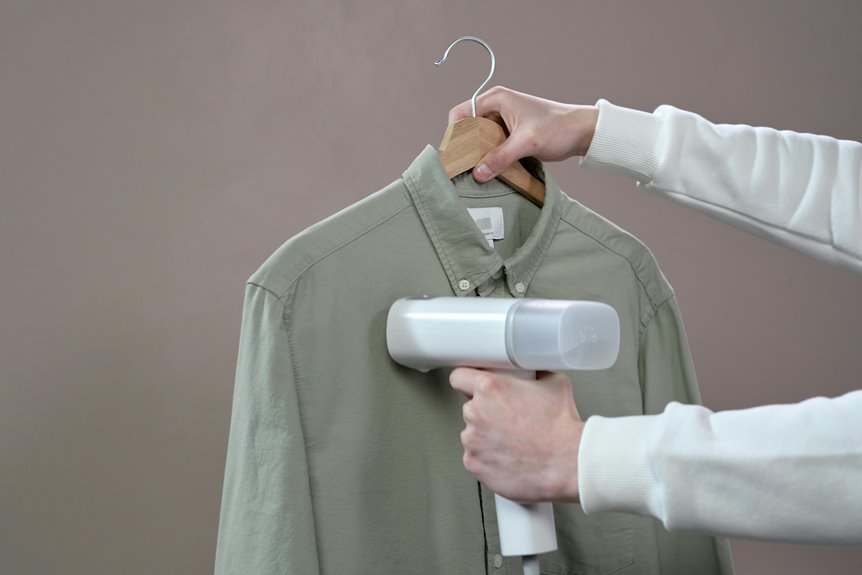
To get rid of pilling on clothes, invest in a fabric shaver or a sweater stone to gently remove those pesky pills. You can also use a lint roller or sticky tape for a quick solution. Be sure to wash your clothes on a gentle cycle with cold water and avoid overcrowding the washing machine. Air-drying your garments helps reduce friction, too. Keep exploring for more tips on preventing future pilling and caring for your clothes!
Key Takeaways
- Use a fabric shaver for effective and quick removal of pills without damaging the fabric.
- Gently rub a sweater stone over the fabric surface to eliminate fuzz and pilling.
- Employ a fine-toothed comb on delicate fabrics to carefully lift away pills.
- Utilize a lint roller or sticky tape for manual lifting of pills from clothing.
- Always test removal tools on a hidden area first to ensure safety for your garments.
Understanding the Causes of Pilling
When you wear your favorite clothes, you mightn’t realize that pilling is often caused by friction. This occurs when fibers rub against each other or against surfaces, like your bag or car seat.
Pilling on your favorite clothes often results from friction between fibers and surfaces during movement.
The more you move, the more friction builds up, leading to those annoying little balls of fuzz. Additionally, the type of fabric plays a role; natural fibers like wool and cotton tend to pill more than synthetic ones.
Low-quality fabrics can also be more prone to pilling, as they often have shorter fibers that break easily.
Even washing and drying can contribute to pilling, especially if you use high heat or overcrowd your machine.
Understanding these factors can help you care for your clothes better and reduce future pilling.
Effective Tools for Removing Pilling
Several effective tools can help you tackle pilling on your clothes and restore their original look.
A fabric shaver is one of the best options; it quickly removes fuzz and pills without damaging the fabric. If you prefer a manual approach, a lint roller or sticky tape can effectively lift away pills.
You might also consider using a sweater stone, which gently abrades the surface to eliminate pilling. For delicate fabrics, a fine-toothed comb can work wonders without causing harm.
Whichever tool you choose, be certain to test it on a hidden area first to verify it’s safe for your garment.
With the right tools in hand, you can keep your clothes looking fresh and new.
Laundry Tips to Minimize Pilling
To minimize pilling during laundry, always sort your clothes by fabric type before washing. Grouping similar materials helps reduce friction, which often causes pilling.
Sorting clothes by fabric type before washing reduces friction and helps prevent pilling.
When washing, use a gentle cycle and cold water to protect your fabrics. Avoid overcrowding the washing machine; this allows your clothes to move freely and prevents excessive rubbing.
Instead of using a traditional dryer, consider air-drying your clothes. If you do use a dryer, choose a low heat setting and toss in dryer balls to help separate garments.
Additionally, skip fabric softeners—they can create a coating that leads to more pilling. By following these tips, you’ll keep your clothes looking fresh and minimize the risk of pilling during laundry.
Post-Washing Care to Prevent Pilling
Although washing your clothes properly is essential, post-washing care is just as important to prevent pilling.
After you’ve washed your garments, follow these tips to keep your clothes looking fresh:
- Air dry instead of using a dryer to minimize friction.
- Separate fabrics; wash delicate items with similar materials to reduce wear.
- Avoid overloading the washing machine so clothes have enough space to move freely.
- Turn clothes inside out before washing to protect the surface fibers.
- Store garments properly; use hangers or fold them neatly to prevent unnecessary creasing and rubbing.
These practices not only help prevent pilling but also extend the life of your favorite clothes.
Take a few extra moments, and you’ll see the difference!
Long-Term Maintenance for Clothes
Taking care of your clothes doesn’t stop after washing and drying; long-term maintenance plays a significant role in keeping them looking their best.
To prevent pilling, store your garments properly. Use padded hangers for delicate items and fold heavier fabrics to avoid stretching. Keep your closet cool and dry to minimize mold and mildew.
Store your clothes wisely: use padded hangers for delicates and fold heavier items to prevent stretching.
Regularly inspect your clothes for loose threads or signs of wear; tackle these issues before they worsen. Rotate your wardrobe to guarantee all pieces get equal wear, and try to limit friction by avoiding tight packing in drawers or bags.
Finally, consider investing in fabric-specific care products, like lint rollers or pilling combs, to maintain your clothes’ appearance over time.
Frequently Asked Questions
Can Pilling Be Prevented Entirely With Proper Care?
Can you truly prevent pilling? While you can minimize it with proper care—like washing clothes inside out and avoiding friction—some fabrics are more prone to pilling. So, it’s not entirely avoidable, unfortunately.
How Often Should I Remove Pills From My Clothes?
You should remove pills from your clothes whenever you notice them. Regularly checking your garments helps maintain their appearance and extends their lifespan. Don’t wait too long; a little upkeep goes a long way!
Is Pilling Worse in Certain Seasons or Climates?
Pilling’s particularly prevalent in prickly, polar climates where friction flourishes. If you find yourself in humid heat, you may also notice more pilling. You’ll want to monitor your clothes’ condition as seasons shift.
Are There Specific Fabrics That Resist Pilling Better?
Certain fabrics like polyester, nylon, and acrylic resist pilling better than cotton or wool. When you choose these materials, you’re likely to enjoy smoother, longer-lasting garments without the annoyance of pesky pills accumulating.
Can Pilling Affect the Lifespan of My Clothing?
Pilling’s like a thief, robbing your clothes of their fresh appeal. Yes, it can shorten your garments’ lifespan by weakening the fibers. By addressing pilling early, you can help preserve your wardrobe’s beauty and durability.