
Tropical gabardine is a lightweight, durable fabric designed for warm climates, made from tightly woven wool or wool blends often mixed with synthetic fibers for breathability and strength. You’ll appreciate its smooth twill weave with subtle diagonal ribs that resist wrinkles and dry quickly, keeping you comfortable and polished. Whether for suits, trousers, or dresses, it balances style and practicality. Keep exploring to find out how to pick and care for this versatile fabric.
Key Takeaways
- Tropical gabardine is a lightweight, tightly woven twill fabric designed for warm climates, typically made from wool blends or synthetic fibers.
- It features a smooth finish with subtle diagonal ribs, offering durability, breathability, and a polished appearance.
- The fabric is wrinkle-resistant, quick-drying, and maintains comfort without sacrificing strength or longevity.
- Commonly used for lightweight suits, blazers, trousers, and summer dresses, suitable for both formal and casual wear.
- Proper care involves gentle washing, air drying, and low-heat ironing to preserve its texture and durability.
Understanding the Origins of Tropical Gabardine
Tropical gabardine traces its roots back to the early 20th century when designers sought lightweight, breathable fabrics suited for warm climates.
You’ll find that this fabric emerged as a practical solution for those living or working in tropical regions, where heavy materials just wouldn’t cut it.
Originally developed as a variation of traditional gabardine, it was adapted to be lighter and more comfortable without sacrificing durability.
When you wear tropical gabardine, you’re tapping into a century-old innovation aimed at balancing sophistication with comfort.
Its origins reflect a thoughtful response to climate challenges, helping you stay cool while maintaining a polished look.
Understanding where it comes from offers insight into why it remains a popular choice for warm-weather attire.
Key Characteristics of Tropical Gabardine Fabric
Because you need a fabric that performs well in warm weather, tropical gabardine stands out with its lightweight yet durable construction.
You’ll notice its tightly woven twill weave, which gives it a smooth finish and excellent wrinkle resistance. The fabric breathes well, keeping you cool and comfortable even in humid conditions.
It’s also strong enough to hold sharp creases, so your garments maintain a polished look throughout the day. Tropical gabardine typically features a subtle diagonal rib pattern, adding texture without bulk.
Plus, it resists stretching and sagging, ensuring your clothes fit perfectly over time. Whether you’re wearing suits, trousers, or blazers, tropical gabardine balances comfort and structure, making it ideal for warm climates.
How Tropical Gabardine Is Made
You’ll find that tropical gabardine starts with a specific fabric composition, usually a blend designed for breathability and durability.
The weaving technique creates its distinctive tight twill pattern, giving the fabric strength and a smooth finish.
Finally, finishing processes enhance its texture and performance, making it perfect for warm-weather wear.
Fabric Composition
Although it might seem complex, tropical gabardine is primarily made from tightly woven wool or wool blends designed to keep you cool in warm climates.
You’ll often find it blended with synthetic fibers like polyester or nylon to enhance durability and wrinkle resistance without sacrificing breathability. Some variations include cotton or silk, which add softness and moisture-wicking properties.
The choice of fibers directly impacts the fabric’s weight, texture, and comfort level, so manufacturers carefully balance these elements to guarantee you stay comfortable even on hot, humid days.
When selecting tropical gabardine, consider the fiber composition—it influences how the fabric drapes and performs. Understanding this helps you pick the best option for your wardrobe, whether for suits, trousers, or lightweight jackets.
Weaving Technique
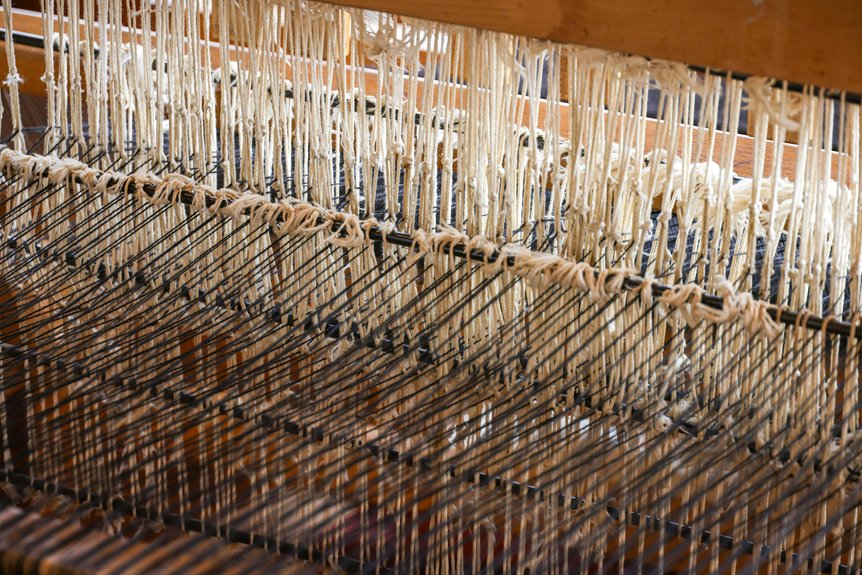
Tropical gabardine owes its distinctive feel and durability to a specific weaving technique called twill weave. This method creates diagonal ribs on the fabric’s surface by passing the weft thread over one or more warp threads and then under two or more warp threads.
When you look closely, you’ll see those characteristic diagonal lines that give tropical gabardine its unique texture. The tight twill weave makes the fabric strong yet breathable, ideal for warm climates.
Finishing Processes
The twill weave sets the foundation for tropical gabardine’s strength and breathability, but the finishing processes truly bring the fabric to life.
After weaving, the fabric undergoes treatments like singeing to remove loose fibers, giving it a smooth surface. Next, it’s mercerized, enhancing its luster, strength, and dye absorption.
You’ll also find tropical gabardine often receives a resin finish, which adds wrinkle resistance and durability, perfect for warm climates.
Finally, the fabric is sanforized to minimize shrinkage, ensuring it keeps its shape after washing.
These steps make tropical gabardine not only lightweight and breathable but also resilient and comfortable, ready to perform in hot, humid environments without compromising style or function.
Benefits of Wearing Tropical Gabardine in Warm Climates
When you wear tropical gabardine, you’ll stay cool thanks to its breathability and moisture control.
It feels lightweight yet holds up well through daily wear.
Plus, it resists wrinkles, so you’ll look sharp even in the heat.
Breathability and Moisture Control
Because you’ll often find yourself in hot, humid environments, choosing breathable fabrics is essential to staying comfortable.
Tropical gabardine excels here by letting air circulate while managing moisture effectively. When you wear tropical gabardine, you’ll notice:
- Enhanced Ventilation – The tight weave still allows airflow, preventing heat from getting trapped.
- Moisture Wicking – It pulls sweat away from your skin, helping you stay dry and fresh.
- Quick Drying – The fabric dries faster than heavier materials, reducing clamminess.
These qualities keep you cool and comfortable throughout the day, even in sticky conditions.
Tropical gabardine strikes the perfect balance between breathability and moisture control, making it an ideal choice for warm climates without compromising on style or function.
Lightweight Comfort and Durability
Although tropical gabardine feels exceptionally light on your skin, it doesn’t sacrifice durability, making it perfect for warm climates where you need both comfort and resilience.
You’ll appreciate how this fabric withstands daily wear without losing its shape or strength, even in humid conditions. The tightly woven fibers create a smooth surface that resists tearing and abrasion, so your garments last longer.
At the same time, tropical gabardine’s lightweight nature prevents you from feeling weighed down or overheated. This balance means you can move freely and stay comfortable throughout the day, whether you’re at work or enjoying outdoor activities.
Choosing tropical gabardine means you don’t have to compromise between feeling cool and having dependable, long-lasting clothing.
Wrinkle Resistance and Appearance
Even after a long day in the heat, tropical gabardine keeps your clothes looking sharp and wrinkle-free. This fabric’s tight weave and smooth finish resist creases, so you stay polished without constant ironing.
Here’s why you’ll appreciate its wrinkle resistance and appearance:
- Maintains a crisp look: The fabric holds its shape well, so your outfit looks fresh from morning to night.
- Smooth texture: It offers a sleek, professional appearance that’s perfect for warm-weather business or social settings.
- Easy care: Tropical gabardine recovers quickly from wear, minimizing the need for touch-ups or steaming.
Comparing Tropical Gabardine to Other Lightweight Fabrics
When you’re choosing lightweight fabrics for warm weather, tropical gabardine stands out for its unique balance of durability and breathability. It’s smoother and more tightly woven than linen but lighter and more breathable than traditional gabardine. Compared to seersucker or chambray, tropical gabardine offers a crisper look with better wrinkle resistance.
| Fabric | Weight | Breathability | Durability |
|---|---|---|---|
| Tropical Gabardine | Medium-light | High | High |
| Linen | Light | Very High | Medium |
| Seersucker | Light | High | Medium |
| Chambray | Light | Medium | Medium-high |
This balance makes tropical gabardine a versatile choice when you want both comfort and structure.
Ideal Uses for Tropical Gabardine in Fashion
Tropical gabardine’s unique blend of breathability, durability, and crisp appearance makes it a top pick for various fashion applications.
Tropical gabardine combines breathability, durability, and a crisp look, making it ideal for stylish, comfortable garments.
When you want garments that look sharp without overheating, this fabric fits perfectly.
Here are some ideal uses for tropical gabardine:
- Lightweight Suits and Blazers – Stay polished and cool during warm weather events or office days.
- Tailored Trousers – Enjoy comfort and wrinkle resistance for both formal and casual looks.
- Summer Dresses and Skirts – Benefit from its smooth drape and durability while maintaining breathability.
Caring for Your Tropical Gabardine Garments
Although tropical gabardine is known for its durability, you’ll want to care for it properly to maintain its crisp look and breathability. Always follow the care label instructions, and avoid high heat when washing or ironing. Hand wash or use a gentle cycle with cold water to preserve fabric texture. Hang garments to dry instead of using a dryer to prevent shrinkage and wrinkles.
| Care Step | Tip |
|---|---|
| Washing | Use cold water, gentle cycle |
| Drying | Hang dry, avoid dryer |
| Ironing | Use low heat, steam if needed |
| Storage | Hang in a cool, dry place |
Tips for Choosing Quality Tropical Gabardine Clothing
Selecting quality tropical gabardine clothing starts with understanding the fabric’s key characteristics. You want a garment that’s lightweight, breathable, and durable.
Choosing quality tropical gabardine means seeking lightweight, breathable, and durable fabrics for lasting comfort.
To guarantee you pick the best, keep these tips in mind:
- Check the weave – Look closely at the diagonal twill pattern; it should be tight and consistent, indicating quality gabardine.
- Feel the fabric – It should feel smooth yet sturdy, not flimsy or rough. This balance guarantees comfort and longevity.
- Inspect the finish – High-quality tropical gabardine often has a matte finish without excessive shine or stiffness.
Frequently Asked Questions
Can Tropical Gabardine Be Used for Upholstery or Home Decor?
You can use tropical gabardine for light upholstery or home decor, but it’s best for items that won’t face heavy wear. Its lightweight, breathable nature suits decorative cushions or drapes rather than heavy-duty furniture.
Is Tropical Gabardine Fabric Environmentally Sustainable?
You might think tropical gabardine’s eco-friendliness is off the charts, but it really depends on the fiber source. If it’s cotton or synthetic, its sustainability varies—check labels to make sure you’re making a green choice!
How Does Tropical Gabardine Perform in Rainy Weather?
You’ll find tropical gabardine repels light rain well thanks to its tight weave, but heavy downpours may soak through. It’s breathable, so you won’t feel clammy, but it’s not fully waterproof.
Are There Any Famous Designers Known for Using Tropical Gabardine?
You’d never guess that iconic designers like Ralph Lauren and Giorgio Armani have embraced tropical gabardine for its sleek, breathable feel. They’ve mastered making lightweight luxury look effortlessly sharp, even in sweltering heat.
What Colors and Patterns Are Most Common in Tropical Gabardine?
You’ll find tropical gabardine mostly in neutral colors like beige, navy, and gray, perfect for versatile wear. Stripes and subtle checks are common patterns, giving your garments a classic yet breathable look ideal for warm climates.