
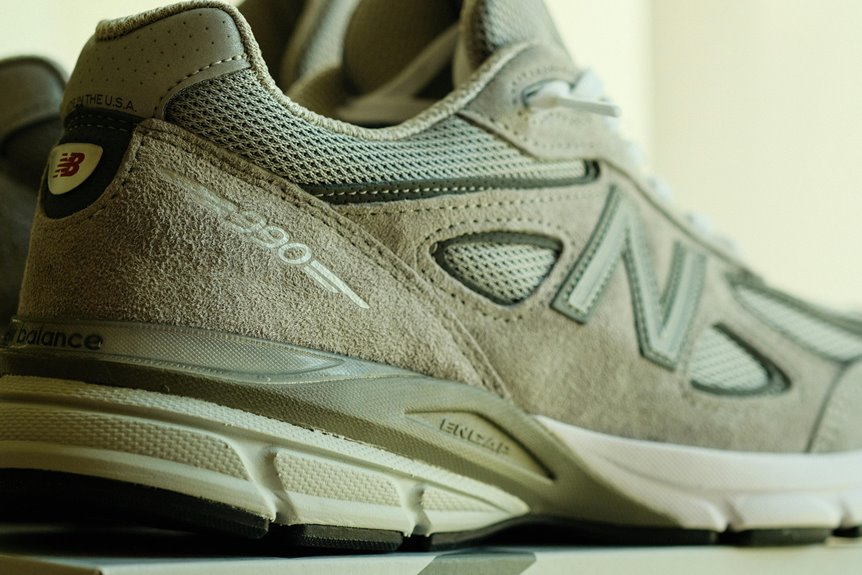
If you want a fabric that feels like suede but lasts longer, you’ll want microsuede. It mimics suede’s soft, velvety texture but stands up to wear much better. Microsuede resists stains, dries quickly, and handles water damage unlike traditional suede. It’s made from tightly woven synthetic fibers that make it durable and easy to care for. Plus, it keeps its color well. If you’re curious about how it’s made and why it’s preferred, there’s plenty more to explore.
Key Takeaways
- Microsuede is a synthetic fabric that closely mimics the soft texture and appearance of traditional suede.
- It is made from tightly woven polyester and nylon fibers for enhanced durability and strength.
- Microsuede resists stains, water damage, and abrasion better than natural suede.
- It maintains color vibrancy longer and dries faster than traditional suede.
- Easy to clean and maintain, microsuede is popular in upholstery, fashion, and home textiles.
Understanding the Characteristics of Suede
Although suede is often admired for its soft texture and elegant appearance, you mightn’t realize what makes it unique. Suede comes from the underside of animal hides, usually lamb, goat, or calf, giving it that plush, napped finish you love to touch.
Unlike smooth leather, suede’s open pores make it more breathable but also more susceptible to stains and water damage. You’ll notice its matte finish and velvety feel, which set it apart from glossy leather. Because it’s softer and more pliable, suede molds comfortably to your movements.
However, its delicate nature means it requires careful handling and specific cleaning methods. Understanding these traits helps you appreciate why suede feels luxurious yet demands more care than other fabrics.
Identifying the Durable Suede-Like Fabric
Durability is a key factor when choosing a suede-like fabric, especially if you want the look and feel of suede without the high maintenance. Microsuede stands out as a top choice, combining softness with exceptional strength. Unlike traditional suede, it resists stains and wears well over time, making it perfect for everyday use.
Here’s a quick comparison to help you spot durable suede-like fabrics:
| Fabric Type | Texture | Durability Level |
|---|---|---|
| Suede | Soft, napped | Low |
| Microsuede | Smooth, velvety | High |
| Faux Suede | Slightly rough | Medium |
| Leather | Smooth, firm | Very High |
How Microsuede Is Made
When you choose microsuede, you’re selecting a fabric made through a careful process that combines polyester and nylon fibers. These fibers are tightly woven into a base fabric, giving microsuede its strength and flexibility.
After weaving, the fabric undergoes a special brushing technique called “napping,” which raises tiny fibers on the surface, creating that soft, suede-like texture you love. This process enhances the fabric’s feel without sacrificing durability.
The napping process lifts fibers to create microsuede’s signature soft, suede-like texture without losing durability.
Microsuede is then treated to resist stains and water, making it easier for you to maintain.
Because it’s synthetic, manufacturers can control its thickness and finish precisely, ensuring consistent quality. This thoughtful manufacturing approach results in a fabric that looks and feels luxurious while standing up well to everyday use.
Comparing Durability: Microsuede vs. Traditional Suede
If you want a fabric that stands up to daily wear without losing its charm, microsuede offers some clear advantages over traditional suede.
While traditional suede is prized for its softness and natural look, it can be prone to stains, scuffs, and fading. Microsuede, made from tightly woven synthetic fibers, resists these issues better, making it ideal for active spaces.
Here’s how they compare:
- Stain resistance: Microsuede repels spills; suede absorbs them.
- Wear and tear: Microsuede withstands abrasion longer.
- Color retention: Microsuede holds dye without fading.
- Water resistance: Microsuede dries faster and resists water damage.
- Maintenance: Microsuede cleans more easily without special products.
Choosing microsuede means you get suede’s look with added durability.
Maintenance Tips for Microsuede
To keep your microsuede looking fresh, you’ll want to use gentle cleaning techniques and act quickly on stains.
Knowing the right stain removal tips can make all the difference in preserving the fabric’s appearance.
With proper care, you can extend the longevity of your microsuede and enjoy its soft texture for years.
Cleaning Techniques
Microsuede requires just a few simple cleaning techniques to keep its soft texture intact and looking fresh.
You’ll want to clean it regularly to prevent dirt buildup without damaging the fabric. Here are some easy steps you can follow:
- Vacuum your microsuede furniture using a soft brush attachment.
- Use a damp cloth with mild soap for spot cleaning.
- Avoid soaking the fabric, as excessive moisture can cause damage.
- Let the fabric air dry completely after cleaning.
- Gently brush the fabric with a soft-bristled brush to restore its nap.
Stain Removal Tips
Keeping your microsuede looking its best means addressing stains promptly and carefully. When spills happen, blot the area immediately with a clean, dry cloth—never rub, as that can push the stain deeper.
For fresh stains, use a mild soap mixed with water and gently dab the spot with a soft cloth. Avoid soaking the fabric; a little moisture goes a long way.
For tougher stains, a specialized microsuede cleaner can be effective—always test it on an inconspicuous area first. After cleaning, let the fabric air dry completely before using it again.
Regularly brushing the fabric with a soft brush helps maintain its nap and prevent dirt buildup. With these steps, you’ll keep your microsuede looking clean and fresh without damage.
Longevity and Care
Although it feels delicate, your fabric can stay soft and vibrant for years when you care for it properly.
Microsuede’s durability means it resists wear better than natural suede, but daily maintenance still matters. To keep your fabric looking fresh, follow these simple steps:
- Vacuum regularly using a soft brush attachment to remove dust and dirt.
- Spot clean spills immediately with a mild soap and water solution.
- Avoid exposure to direct sunlight to prevent fading.
- Use a fabric protector spray designed for synthetic fibers to repel stains.
- Gently brush the fabric with a soft cloth to restore its nap and texture.
Popular Uses of Microsuede in Fashion and Home Decor
Softness and durability make this fabric a favorite choice in both fashion and home decor. When you choose microsuede, you’ll find it’s perfect for upholstery, giving sofas and chairs a luxurious look without worrying about wear and tear.
You can also use it for throw pillows and curtains to add a cozy, elegant touch to any room. In fashion, microsuede works great for jackets, skirts, and handbags, offering the suede feel but with easier maintenance.
You’ll appreciate how it holds up against daily use while keeping its rich texture. Whether you’re updating your wardrobe or redecorating your living space, microsuede provides versatility and style that fits your practical needs without sacrificing comfort or appearance.
Benefits of Choosing Microsuede Over Suede
When you opt for microsuede instead of traditional suede, you get a fabric that’s easier to clean and maintain without losing the luxurious feel you love.
Microsuede resists stains better, so spills wipe off quickly, making it perfect for busy households. It’s also more durable, holding up well against daily wear and tear.
Unlike real suede, microsuede doesn’t require special cleaning products or professional care, saving you time and money. Plus, it’s hypoallergenic, which is great if you’re sensitive to dust or pet dander.
Here’s why microsuede stands out:
- Stain-resistant and easy to clean
- More durable and long-lasting
- Affordable compared to genuine suede
- Requires low maintenance
- Hypoallergenic and pet-friendly
Choosing microsuede means enjoying style and practicality effortlessly.
Frequently Asked Questions
Is Microsuede Environmentally Friendly or Biodegradable?
You shouldn’t expect microsuede to be very environmentally friendly or biodegradable since it’s made from synthetic fibers like polyester. However, you can reduce its impact by choosing recycled versions or caring for it properly to extend its life.
Can Microsuede Be Dyed Different Colors Easily?
You can dye microsuede, but it requires special synthetic fabric dyes and proper preparation. It’s not as straightforward as natural fibers, so you’ll want to follow instructions carefully to achieve vibrant, even colors.
Does Microsuede Cause Allergic Reactions in Sensitive Individuals?
You might be surprised, but microsuede rarely triggers allergies since it’s synthetic and hypoallergenic. Still, if you have sensitive skin, you should test it first to avoid any unexpected reactions or discomfort.
How Does Microsuede Perform in Extreme Weather Conditions?
You’ll find microsuede performs well in moderate weather but may struggle in extreme heat or cold. It resists moisture but isn’t fully waterproof, so avoid prolonged exposure to harsh conditions to keep it looking great.
Are There Vegan Alternatives to Traditional Suede Besides Microsuede?
When searching for vegan suede alternatives beyond microsuede, you’ll find options like cork leather and pineapple leather—each weaving nature’s whispers into durable, animal-free fabrics that let you tread lightly with style and conscience.