
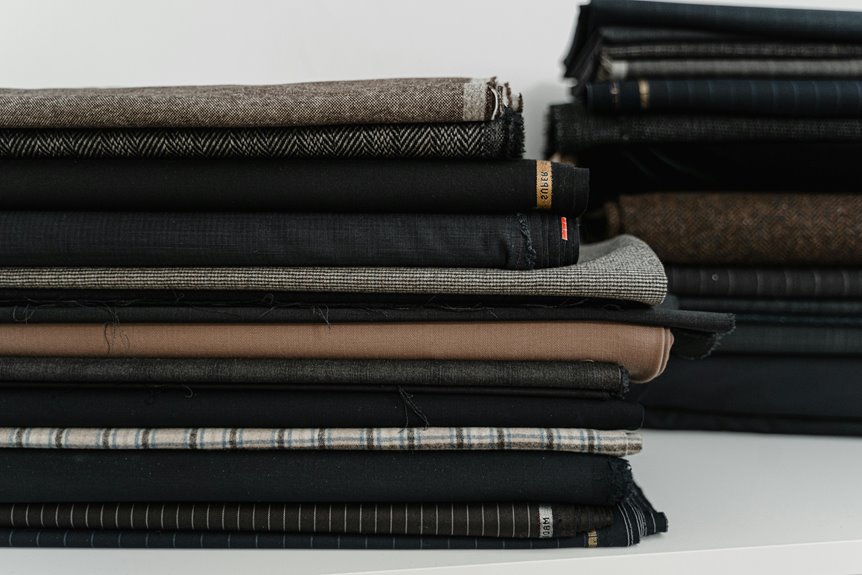
You’ll find that percale sheets are a specific type of cotton with a crisp, one-over-one-under weave, giving you a cool, breathable feel that’s perfect if you tend to sleep hot. Regular cotton sheets vary more in softness and warmth depending on the weave type. Percale offers durability and a matte finish, while cotton’s broader range includes softer, warmer options like sateen. Keep exploring to uncover which suits your sleep style best.
Key Takeaways
- Percale sheets use a tight one-over-one-under weave, offering a crisp, matte finish and superior breathability compared to general cotton weaves.
- Cotton sheets vary by fiber type and weave, providing a range of softness and warmth, while percale emphasizes coolness and durability.
- Ideal thread counts for percale range from 200-400, ensuring crispness and breathability, whereas cotton sheets typically range from 300-600 for softness and longevity.
- Percale sheets resist pilling and maintain shape longer due to their tight weave and long-staple cotton composition, making them more durable than many cotton weaves.
- Percale suits hot sleepers with its cool, crisp feel, while cotton offers versatile warmth and softness, catering to varied personal comfort and temperature needs.
Understanding Cotton: The Basics of a Natural Fiber
Cotton, a soft and breathable natural fiber, forms the foundation of many bedding materials you’ll find. When you choose cotton sheets, you’re opting for fabric made from cotton plant fibers, which are spun into yarn and then woven or knitted into fabric.
You’ll appreciate cotton’s natural breathability and moisture-wicking properties, helping you stay cool and comfortable throughout the night. Cotton is also hypoallergenic and durable, making it a smart choice if you have sensitive skin or want sheets that last.
Plus, cotton fibers are easy to care for—you can machine wash and dry them without much hassle. Keep in mind, though, that cotton sheets vary in quality depending on fiber length and thread count, so don’t forget to check those details when shopping.
What Defines Percale Weave?
When you choose percale sheets, you’re picking a specific weave pattern known for its crisp, matte finish.
The thread count plays a key role in how smooth and durable the fabric feels against your skin. Understanding these details helps you know why percale offers that cool, lightweight texture you might prefer.
Weave Pattern Basics
Although you mightn’t notice it at first glance, the weave pattern plays a crucial role in defining percale sheets.
Percale uses a simple, one-over-one-under weave, meaning the threads cross each other alternately. This creates a tight, balanced structure that feels crisp and cool against your skin.
Unlike other weaves that might be denser or textured, percale’s pattern allows for excellent breathability and durability. When you run your hand over percale sheets, you’ll sense their matte finish and smooth surface, thanks to this straightforward weaving style.
This basic weave not only contributes to the sheet’s lightweight feel but also guarantees they maintain their shape and resist pilling over time.
Understanding this helps you appreciate why percale sheets are often preferred for their clean, fresh sleep experience.
Thread Count Impact
Since thread count directly affects the feel and durability of your sheets, understanding its role in percale weave is essential.
Percale sheets typically have a thread count ranging from 200 to 400. This count refers to the number of threads woven per square inch, combining both vertical (warp) and horizontal (weft) threads.
Unlike some cotton sheets that may boast higher thread counts, percale emphasizes a balanced, tight plain weave rather than sheer density. A thread count within this range guarantees your percale sheets remain crisp and breathable without becoming heavy or compromising airflow.
Texture and Feel
Thread count sets the foundation, but the true identity of percale sheets lies in their texture and feel.
Percale uses a plain weave, where the threads cross one over, one under, creating a tight, matte finish. This weave gives percale sheets a crisp, cool sensation that you can feel the moment you touch them.
Unlike softer, shinier weaves, percale feels new and breathable, ideal if you tend to sleep warm or prefer a lightweight sheet. You’ll notice its smoothness without any slickness, providing a clean, almost linen-like touch.
When you slip into percale sheets, you get a revitalizing, airy feel that’s both durable and comfortable, perfect if you want sheets that stay cool and crisp night after night.
Differences in Texture and Feel Between Percale and Cotton Sheets
You’ll notice percale sheets have a crisp, cool texture that feels fresh against your skin.
Cotton sheets, on the other hand, offer a range of softness levels, from smooth to silky.
Both types provide good breathability, but their feel can make a big difference in your sleep experience.
Percale’s Crisp Texture
Percale stands out for its crisp, cool texture that feels invigorating against your skin. Unlike other weaves, it’s tightly woven with a simple one-over-one-under pattern, giving it a matte finish and a lightweight feel. You’ll notice that percale sheets maintain their breathability and firmness wash after wash, perfect for hot sleepers or warmer climates.
| Feature | Percale | Effect on Feel |
|---|---|---|
| Weave Type | One-over-one-under | Crisp and smooth |
| Thread Count | Usually 200-400 | Lightweight yet durable |
| Finish | Matte | Cool, non-shiny |
| Breathability | High | Keeps you cool |
| Durability | Strong | Long-lasting crispness |
You’ll enjoy a fresh, crisp sensation every night.
Cotton’s Softness Spectrum
While percale offers a crisp, invigorating feel that’s perfect for staying cool, cotton sheets bring a broader range of softness that caters to different preferences.
You’ll find cotton sheets vary widely in texture, depending on the weave, fiber length, and finishing techniques. Here’s what you can expect from cotton’s softness spectrum:
- Smooth sateen weaves for a silky, luxurious touch
- Brushed cotton for a cozy, warm feel
- Long-staple cotton providing extra softness and durability
- Organic cotton with a natural, gentle texture
- Lightweight cotton blends offering a balance of softness and breathability
This variety means you can select cotton sheets tailored precisely to your comfort needs, whether you want plush warmth or a smooth, soft surface.
Breathability and Feel
Even if you prefer cotton sheets, understanding how their breathability and texture compare to percale can help you make a better choice. Percale features a tight, plain weave that feels crisp and cool, perfect if you tend to sleep hot. Cotton sheets, depending on the weave, often feel softer and more pliable but might not offer the same breathability.
| Feature | Percale | Cotton (Varies by Weave) |
|---|---|---|
| Texture | Crisp, matte finish | Soft, smooth finish |
| Breathability | Highly breathable | Breathability varies |
| Feel | Cool, lightweight | Warm, cozy |
| Durability | Durable, resists pilling | Depends on cotton type |
Choosing between them depends on your comfort and climate preferences.
Breathability and Temperature Regulation in Percale vs. Cotton
Because you want a comfortable night’s sleep, understanding how different fabrics handle breathability and temperature is key.
A comfortable night’s sleep starts with knowing how fabrics manage breathability and temperature.
Percale and cotton both offer great airflow, but their temperature regulation varies slightly. Percale’s tight, plain weave allows air to circulate freely, keeping you cool during warm nights. Cotton’s natural fibers absorb moisture, helping regulate your body temperature by wicking away sweat.
Consider these points for better sleep comfort:
- Percale has a crisp, cool feel ideal for hot sleepers
- Cotton provides warmth yet breathes well for year-round use
- Both fabrics prevent overheating by promoting airflow
- Cotton’s moisture absorption helps manage night sweats
- Percale’s weave creates a lightweight, airy texture
Choosing between them depends on whether you prefer a cooler or more balanced sleep environment.
Durability and Longevity: How Percale and Cotton Compare
If you want sheets that stand up to frequent use and washing, durability is a crucial factor to contemplate.
Percale sheets, woven with a tight, plain weave, tend to be quite durable and maintain their crisp texture over time. Because percale is often made from long-staple cotton, it resists pilling and wears well, giving you a longer-lasting option.
On the other hand, cotton sheets’ durability depends heavily on the type of cotton and weave used. While cotton percale is strong, other cotton weaves like sateen may show wear sooner due to their looser weave.
Ultimately, if you prioritize longevity, percale sheets usually offer better resistance to daily wear and frequent laundering, ensuring your bedding stays fresh and sturdy for years.
Thread Count Considerations for Percale and Cotton Sheets
When choosing between percale and cotton sheets, thread count plays a big role in how the fabric feels and lasts.
You’ll want to look for an ideal thread count range to get the right balance of softness and breathability.
Let’s explore how thread count impacts both types of sheets so you can pick the best option for your comfort.
Thread Count Impact
Thread count plays an essential role in determining the feel and durability of both percale and cotton sheets.
When you shop for sheets, understanding how thread count impacts your choice helps you select the right bedding for comfort and longevity.
Keep these points in mind:
- Higher thread counts often mean denser fabric but can reduce breathability in percale.
- Lower thread counts in cotton sheets can feel lighter and cooler.
- Extremely high thread counts might indicate thinner threads, which can compromise strength.
- Percale’s crisp texture benefits from a moderate thread count to maintain its signature feel.
- Cotton sheets offer flexibility with thread count, adapting to various softness and durability preferences.
Optimal Thread Range
Understanding how thread count influences the texture and durability sets the stage for identifying the ideal range for both percale and cotton sheets.
For percale sheets, aim for a thread count between 200 and 400. This range guarantees you get that crisp, breathable feel without sacrificing durability. Going beyond 400 can make percale feel heavier and less breathable, defeating its purpose.
When it comes to cotton sheets in general, a thread count between 300 and 600 usually hits the sweet spot. This range balances softness and longevity, giving you sheets that feel smooth yet hold up well over time.
Maintenance and Care Tips for Percale and Cotton Bedding
Although percale and cotton sheets share some care similarities, each requires specific maintenance to keep them soft and durable. You’ll want to handle them with care to extend their lifespan and maintain comfort.
Here are key tips for caring for your bedding:
- Wash in cold or warm water to prevent shrinkage and color fading.
- Use a gentle detergent without bleach or fabric softeners to preserve fibers.
- Avoid overloading the washing machine to reduce fabric stress.
- Tumble dry on low or line dry to maintain fabric integrity.
- Iron percale sheets if you prefer a crisp finish, but avoid high heat on cotton to prevent damage.
Common Misconceptions About Percale and Cotton Sheets
Taking good care of your percale and cotton sheets helps keep them in great shape, but there are still plenty of myths that can confuse shoppers.
You might hear that percale is rough or scratchy, but quality percale actually feels crisp and smooth. Some people think cotton sheets are always hot, yet cotton breathes well and can keep you comfortable year-round.
Another common misconception is that percale isn’t durable—on the contrary, its tight weave often makes it more resilient.
Also, not all cotton sheets are the same; the type of cotton and thread count matter more than just the label. Knowing these facts helps you choose sheets that fit your preferences without falling for misleading claims.
Ideal Bedroom Climates for Percale and Cotton Bedding
When you choose percale or cotton bedding, the climate of your bedroom plays a big role in how comfortable you’ll feel.
Percale sheets, known for their crisp and breathable weave, thrive in warmer environments, while cotton’s versatility suits a wider range of temperatures.
Percale’s crisp breathability suits warm rooms, while cotton adapts comfortably across varied temperatures.
Consider these points for your ideal bedroom climate:
- Percale excels in hot, humid rooms due to its excellent airflow.
- Cotton sheets work well in moderate climates, providing softness and warmth.
- In cooler bedrooms, opt for heavier cotton weaves for added insulation.
- Avoid percale in very cold rooms unless layered with blankets.
- Both fabrics perform best in well-ventilated spaces to prevent moisture buildup.
Choosing bedding that matches your room’s climate helps you stay comfortable all night long.
How Percale and Cotton Sheets Affect Sleep Quality
Since your bedding directly touches your skin throughout the night, the type of sheets you choose can greatly impact your sleep quality.
Percale sheets offer a crisp, breathable feel that keeps you cool and comfortable, especially if you tend to overheat while sleeping. Their matte finish and lightweight weave promote airflow, reducing night sweats and helping you stay refreshed.
On the other hand, traditional cotton sheets—especially those with a sateen weave—feel softer and smoother, providing a cozy, warm environment that’s perfect if you prefer a snug sleep.
Both percale and cotton sheets are breathable and durable, but percale’s crispness supports cooler nights, while cotton’s softness enhances warmth.
Your sleep quality improves when your sheets match how your body responds to temperature and texture during rest.
Choosing the Right Sheet Based on Personal Preferences and Needs
Understanding how percale and cotton sheets affect your sleep quality helps you figure out which type suits your personal preferences and needs.
When choosing sheets, consider these factors to make the best decision:
- Temperature preference: Percale is crisp and cool, perfect if you tend to overheat; cotton feels softer and warmer.
- Texture: Percale offers a matte, smooth finish, while cotton can range from silky to fluffy.
- Durability: Percale is known for its strength and longevity; cotton varies with weave and quality.
- Maintenance: Cotton sheets often require less ironing, but percale becomes softer with each wash.
- Allergies: Both are breathable, but organic cotton may be better if you have sensitive skin.
Frequently Asked Questions
Are Percale Sheets Eco-Friendly Compared to Other Bedding Materials?
You’ll find percale sheets eco-friendly if they’re made from organic cotton, as they use fewer chemicals. However, conventional percale may not be as sustainable as bamboo or linen, which often have lower environmental impacts.
Can Percale or Cotton Sheets Cause Allergies or Skin Irritation?
Imagine waking up with itchy skin; both percale and cotton sheets can cause irritation if you’re sensitive or allergic to certain fibers or chemicals. Choose hypoallergenic, organic options to keep your sleep comfy and irritation-free.
How Do Percale and Cotton Sheets Perform in Humid Climates?
You’ll find percale sheets breathe better and feel crisp, making them ideal for humid climates. Cotton sheets absorb moisture well but might feel heavier. Both help keep you cooler, but percale’s weave excels in airflow.
Are There Specific Brands Known for High-Quality Percale Sheets?
You’ll find high-quality percale sheets from brands like Brooklinen, Parachute, and Boll & Branch. They use premium long-staple cotton and maintain crisp, breathable weaves that guarantee comfort and durability you’ll appreciate.
What Are the Price Differences Between Percale and Other Cotton Sheets?
You might notice percale sheets usually cost a bit more than other cotton varieties because of their crisp weave and durability. But don’t worry, you’re investing in quality that lasts and feels invigoratingly cool.