
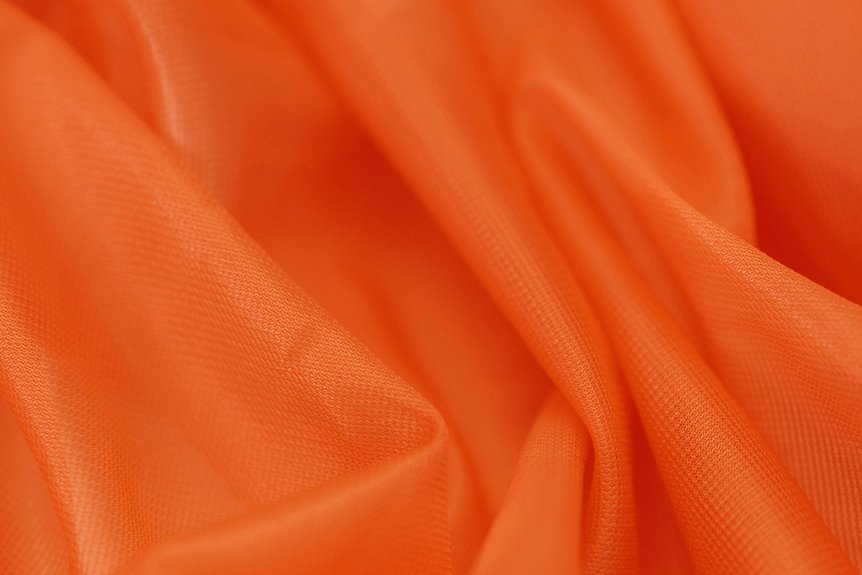
Spunmelt nonwoven fabric is a lightweight, durable material made by melting thermoplastic polymers like polypropylene, then spinning and bonding fibers without using adhesives. You’ll find it in everyday items like masks, hygiene products, and filters because it’s strong, breathable, and cost-effective. Its unique manufacturing process gives it impressive tear resistance and moisture-wicking abilities. If you’re curious how this fabric combines practicality with versatility across industries, there’s more to discover about its uses and impact.
Key Takeaways
- Spunmelt nonwoven fabric is made by combining spinning and melting thermoplastic polymers like polypropylene into continuous filaments.
- The fabric’s fibers are randomly laid and thermally bonded, creating a strong, lightweight, and breathable material without adhesives.
- It offers high tensile strength, durability, tear resistance, and moisture-wicking properties for various demanding applications.
- Commonly used in healthcare, hygiene products, automotive, construction, and agriculture due to its versatility and cost-effectiveness.
- While production relies on fossil-based polymers, ongoing efforts focus on sustainability, recyclability, and biodegradable alternatives.
Definition and Composition of Spunmelt Nonwoven Fabric
Spunmelt nonwoven fabric combines spinning and melting processes to create a versatile textile.
When you look at it, you’ll see it’s made by directly spinning thermoplastic polymers into fine filaments, which then bond together without weaving or knitting. This fabric mainly consists of polypropylene or polyethylene, giving it strength and flexibility.
You’ll notice its lightweight and breathable nature, thanks to the way fibers interlock randomly. Unlike traditional fabrics, spunmelt’s composition avoids the need for adhesives or sewing, reducing chemical use and increasing durability.
You can find it in hygiene products, medical gear, and packaging because it’s soft yet resistant to tearing. Understanding its composition helps you appreciate why spunmelt nonwoven fabric suits so many practical applications.
Manufacturing Process of Spunmelt Nonwoven Fabric
Understanding what makes this fabric unique leads us to how it’s made. You start by melting polymer resins, then extrude them through spinnerets to create continuous filaments. These filaments are laid down on a conveyor belt to form a web. Next, the web undergoes bonding through heat and pressure, which strengthens the fabric without weaving or knitting.
Here’s a concise overview of the process:
| Step | Description |
|---|---|
| Polymer Melting | Resin pellets melted into a liquid form |
| Extrusion | Liquid polymer pushed through spinnerets |
| Web Formation | Filaments laid randomly on conveyor belt |
| Thermal Bonding | Heat and pressure bond filaments together |
This streamlined process gives spunmelt fabrics their distinctive strength and versatility.
Key Properties and Advantages
Although you mightn’t see it, this fabric offers impressive strength and durability that meet demanding applications.
You’ll appreciate its lightweight nature combined with excellent tensile strength, making it both tough and flexible. It resists tearing and abrasion, so it holds up well over time.
You’ll also find it highly breathable and moisture-wicking, which keeps comfort levels high when used in wearable products. Plus, it’s chemically resistant and doesn’t degrade easily, so it performs well in various environments.
Another advantage is its cost-effectiveness; it’s cheaper to produce than woven fabrics but still delivers reliable performance.
You can also count on its consistent quality, thanks to automated manufacturing.
Common Applications and Industries
You’ll find spunmelt nonwoven fabric playing a vital role across many industries due to its versatile properties.
In healthcare, it’s your go-to for surgical gowns, masks, and sterile packaging because it offers breathability and barrier protection.
The hygiene sector relies on it for diapers, wipes, and feminine products, thanks to its softness and absorbency.
If you’re in automotive manufacturing, spunmelt fabric helps with insulation, filtration, and upholstery, improving comfort and durability.
In construction, it acts as a weather-resistant barrier and reinforcement material.
You’ll also see it in agriculture for crop covers and weed control.
Even in apparel, it’s used for interfacing and disposable garments.
Whatever your industry, spunmelt nonwoven fabric provides lightweight, cost-effective solutions that meet diverse performance needs.
Environmental Impact and Sustainability Considerations
Spunmelt nonwoven fabric offers impressive versatility across industries, but it also raises important questions about environmental impact and sustainability. You should consider the raw materials, energy consumption, and recyclability when choosing spunmelt fabrics. Many spunmelt products use polypropylene, which is recyclable but derived from fossil fuels. However, innovations in biodegradable and recycled-content spunmelt fabrics are improving sustainability. Proper disposal and recycling practices can reduce environmental harm.
| Aspect | Challenge | Sustainable Solution |
|---|---|---|
| Raw Materials | Fossil fuel dependency | Use recycled or bio-based fibers |
| Energy Use | High production energy | Implement renewable energy |
| Waste Management | Difficult recycling | Design for recyclability |
| End-of-Life Impact | Persistence in environment | Develop biodegradable options |
Frequently Asked Questions
Can Spunmelt Nonwoven Fabric Be Recycled After Use?
You can recycle spunmelt nonwoven fabric, but it depends on local facilities and fabric composition. Some types are recyclable, while others aren’t accepted. Always check with your local recycling program for proper disposal options.
How Does Spunmelt Fabric Compare to Other Nonwovens in Cost?
Think of spunmelt as the speedy courier among fabrics—it’s usually more affordable than others because it combines efficiency and quality. You’ll find it saves you money without sacrificing performance compared to traditional nonwovens.
Are There Any Health Risks Associated With Spunmelt Nonwoven Fabric?
You won’t face significant health risks from spunmelt nonwoven fabric since it’s generally safe and hypoallergenic. However, avoid prolonged exposure to chemical treatments or dust during manufacturing to prevent irritation or respiratory issues.
What Innovations Are Emerging in Spunmelt Nonwoven Technology?
Imagine fabric that adapts like a chameleon—you’re seeing innovations like biodegradable fibers and enhanced breathability in spunmelt technology. These advancements help you enjoy comfort while caring for the planet and pushing performance boundaries.
Can Spunmelt Nonwoven Fabrics Be Customized for Specific Uses?
You can definitely customize spunmelt nonwoven fabrics to fit your specific needs. By adjusting fiber types, thickness, and treatments, you’ll get materials tailored for medical, filtration, or hygiene applications with enhanced performance and durability.