
You’ll find Shantung Sateen combines the smooth sheen of a satin weave with the textured slubs of traditional shantung, giving it a unique blend of softness and subtle nubbiness. It’s usually made from cotton, silk, or blends, offering durability and elegance that resists wear better than pure silk. This fabric adds refined charm to fashion and interiors alike. If you want to appreciate its rich history, weaving details, and care tips, there’s plenty more to explore ahead.
Key Takeaways
- Shantung sateen is a fabric combining satin weave smoothness with the textured slubs of traditional Shantung silk.
- It features a tightly woven structure that balances softness, durability, and a subtle nubby texture.
- The fabric blends natural fibers like cotton or silk with synthetics for enhanced strength and luster.
- Its unique irregular slubs and gentle sheen create a sophisticated, tactile surface with visual depth.
- Commonly used in fashion and interiors, it offers elegance, resilience, and easy care compared to delicate silks.
History and Origin of Shantung Sateen
Although you might be familiar with sateen as a smooth, lustrous fabric, Shantung sateen has a distinct history rooted in the Shandong province of China. This fabric evolved from traditional silk weaving techniques native to the region.
Unlike typical sateen, Shantung sateen originally featured irregular slubs—tiny knots that gave the material a unique texture. You’ll find that its development was closely tied to the local culture and craftsmanship, making it more than just a fabric but a symbol of regional artistry.
When you use Shantung sateen, you’re connecting with centuries of heritage, blending luxurious softness with subtle texture. This history sets it apart, giving it character beyond its appearance and making it a fabric that carries a story every time you wear or work with it.
The Weave Structure of Shantung Sateen
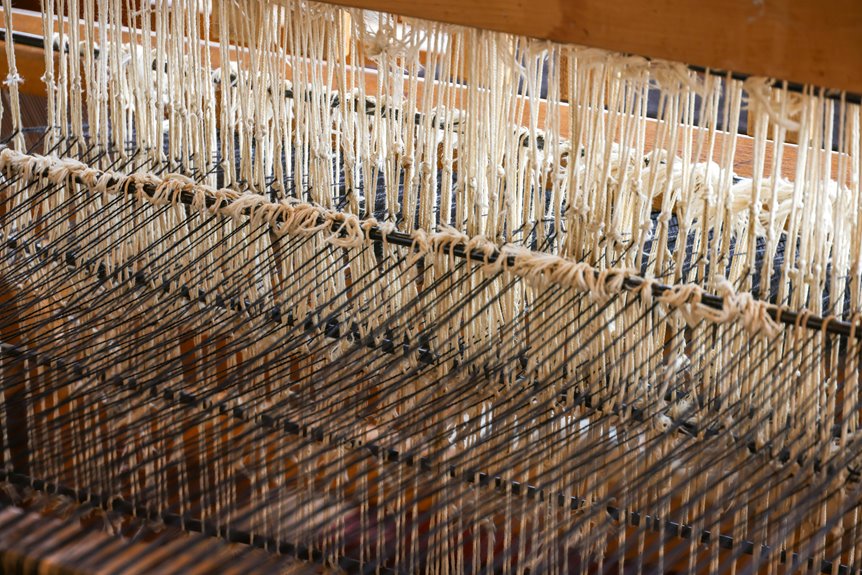
The unique texture of Shantung sateen comes directly from its weave structure, which distinguishes it from other sateen fabrics. You’ll notice it employs a tightly woven satin weave, giving the fabric a smooth, lustrous surface on one side.
Unlike a typical satin, Shantung sateen incorporates slub yarns—thicker, uneven threads—into the weave. This adds subtle irregularities and a slightly nubby texture, making the fabric visually interesting and tactilely distinct.
When you touch Shantung sateen, you feel both softness and a bit of roughness, thanks to this combination. The weave also enhances durability and drape, so it holds shape well without sacrificing elegance.
Understanding this structure helps you appreciate why Shantung sateen is sought after for both apparel and home textiles.
Differences Between Shantung and Sateen
You’ll notice that Shantung and sateen differ primarily in their fabric weave, which affects both texture and appearance.
Shantung has a slubby, uneven texture, while sateen feels smooth and has a subtle sheen.
Understanding these differences helps you choose the right fabric for your project.
Fabric Weave Comparison
When comparing Shantung and sateen fabrics, you’ll notice they differ markedly in their weave structures.
Shantung features a plain weave with irregular slubs, giving it a unique, textured look. Sateen, on the other hand, uses a satin weave, which produces a smooth, lustrous surface by floating yarns over multiple threads.
Understanding these distinctions helps you choose the right fabric for your needs.
Key differences include:
- Shantung: Plain weave with slubs, creating an uneven, tactile surface
- Sateen: Satin weave with floating yarns, resulting in a glossy finish
- Durability: Shantung’s tighter weave offers more firmness, while sateen’s weave prioritizes sheen over strength
Knowing these differences lets you appreciate how weave affects fabric performance and style.
Texture and Appearance Differences
Although both Shantung and sateen offer distinct looks, their textures and appearances set them apart in noticeable ways.
When you touch Shantung, you’ll feel its characteristic slubs—those uneven, nubby threads that give it a slightly rough, organic texture. Visually, Shantung has a subtle irregularity, lending a natural, rustic charm.
In contrast, sateen feels incredibly smooth and silky, thanks to its tightly woven structure. Its surface shines with a soft, satin-like luster, making it look more polished and refined.
If you want a fabric with a crisp, textured look, Shantung suits you. But if you prefer something sleek with a gentle glow, sateen will fit your needs perfectly.
Understanding these differences helps you pick the right fabric for your style and purpose.
Fiber Content and Material Composition
You’ll notice that the fiber content plays a big role in shaping Shantung sateen’s feel and strength.
The weave structure also affects how the fabric holds up over time.
Understanding these material components helps you choose the right fabric for durability and style.
Primary Fiber Types
Since Shantung sateen is known for its smooth texture and subtle sheen, understanding the primary fiber types used in its production is key to appreciating its unique qualities.
Typically, Shantung sateen blends natural and synthetic fibers to balance comfort, durability, and luster.
You’ll find these fibers commonly used:
- Cotton: Offers breathability and softness, giving the fabric a natural feel.
- Silk: Adds a luxurious shine and smoothness, enhancing the fabric’s elegance.
- Polyester: Boosts strength and wrinkle resistance, making the fabric more practical for everyday use.
Weave Structure Influence
The fibers chosen for Shantung sateen don’t just affect its feel and appearance—they also shape how the weave behaves. When you work with cotton or silk fibers, their natural smoothness allows the sateen weave to produce that signature soft luster and subtle sheen.
The weave itself, typically a variation of the satin weave, uses longer floats, which interact differently depending on the fiber’s flexibility and strength. For example, silk’s fine, slippery fibers enhance the smooth float effect, making the fabric feel more luxurious.
On the other hand, cotton’s sturdiness provides a more structured drape while still maintaining shine. Understanding this interplay helps you appreciate why Shantung sateen combines the irregular texture of raw silk with the polished surface of sateen, resulting in a fabric that’s both tactile and visually striking.
Material Durability Factors
Although Shantung sateen’s weave and fiber choice influence its look and feel, its durability hinges largely on the fiber content and material composition. When you select Shantung sateen, understanding these factors helps you gauge how well the fabric withstands wear and tear.
Typically, it blends natural fibers like silk or cotton with synthetic fibers, balancing softness with strength. Here’s what you should consider:
- Fiber type: Silk offers luxury but less durability; cotton adds resilience and breathability.
- Blending ratio: Higher synthetic content enhances strength and wrinkle resistance.
- Finishing treatments: Coatings or mercerization can improve fabric longevity and maintain sheen.
Texture and Surface Appearance
Texture plays an essential role in how you experience Shantung sateen. When you touch it, you’ll notice a smooth, almost silky surface combined with subtle irregularities caused by its slubbed yarns.
These tiny, raised slubs create a slightly nubby texture that adds depth and character without sacrificing softness. The sateen weave gives the fabric a gentle sheen, making the surface catch light beautifully, which enhances its luxurious feel.
Unlike traditional silk shantung, Shantung sateen balances a refined smoothness with tactile interest, so it doesn’t feel flat or overly glossy. This unique interplay between the fabric’s texture and surface appearance makes Shantung sateen visually appealing and pleasant to touch, giving you an elegant yet approachable fabric experience.
Common Uses in Fashion and Interior Design
When you choose Shantung sateen, you’re opting for a fabric that combines elegance with versatility, making it popular in both fashion and interior design.
Its distinctive texture and subtle sheen elevate any project, giving you a luxurious finish without overwhelming the senses.
In fashion, you’ll find it used for:
- Evening gowns and cocktail dresses that demand a refined look
- Tailored jackets and blouses where structure meets softness
- Accessories like scarves that benefit from its smooth surface
In interior design, Shantung sateen adds a touch of sophistication to:
- Decorative pillows and drapery with a lustrous appeal
- Upholstered furniture that balances durability and style
- Bed linens offering comfort alongside visual interest
Durability and Care Instructions
Beyond its aesthetic appeal, Shantung sateen stands out for its durability, making it a practical choice for both fashion and interior applications.
You’ll find that this fabric resists wear and tear better than many delicate silks, thanks to its tightly woven structure.
To keep your Shantung sateen looking its best, avoid harsh detergents and opt for gentle, cold-water washing. You should always check the care label, but typically, hand washing or using a delicate machine cycle is ideal.
Use gentle detergents and cold water, hand wash or delicate cycle to preserve Shantung sateen’s quality.
When drying, skip the dryer; instead, lay it flat or hang it to air dry to prevent damage.
Iron on a low heat setting while the fabric is slightly damp to maintain its smooth finish without scorching.
Following these care tips guarantees your Shantung sateen stays beautiful and lasts longer.
Advantages of Using Shantung Sateen
When you choose Shantung Sateen, you’re investing in a fabric known for its durability and long-lasting quality.
You’ll also appreciate its luxurious texture that adds a sophisticated touch to any garment or decor.
These advantages make Shantung Sateen a smart and stylish choice.
Durability and Longevity
Although you mightn’t always notice, Shantung sateen stands out for its impressive durability and longevity. When you choose this fabric, you’re investing in a textile that withstands everyday wear without losing its charm.
Its tightly woven structure resists tears and abrasions, making it ideal for items that see frequent use. You’ll appreciate how it maintains its shape and finish even after multiple washes, ensuring your pieces look fresh longer.
Here’s what makes Shantung sateen durable:
- Strong silk or cotton fibers create a resilient weave.
- The sateen weave pattern enhances fabric strength.
- Resistance to pilling and snagging preserves its smooth surface.
This durability means you get long-lasting elegance without constant replacement or repair.
Luxurious Texture Appeal
The rich texture of Shantung sateen immediately catches your eye and invites touch.
You’ll appreciate its smooth, lustrous surface combined with subtle slubs that add depth and character. This fabric feels incredibly soft against your skin, offering a luxurious experience whether used for clothing or home décor.
Its unique weave creates a gentle sheen that enhances any garment or interior, making it stand out without being overly flashy. When you choose Shantung sateen, you’re opting for elegance that’s both tactile and visual.
This fabric’s refined texture elevates your style effortlessly, giving you a sophisticated look and feel. You’ll find it perfect for occasions where you want to impress while enjoying comfort and durability.
Color and Pattern Variations
Because shantung sateen showcases a unique texture, its color and pattern variations stand out even more vividly.
When you choose this fabric, you’ll notice how the subtle irregularities in the weave catch light differently, making colors appear richer and more dynamic.
You’ll find that shantung sateen offers a variety of hues and patterns that enhance its luxurious feel.
Here’s what you can expect:
- Soft pastels and deep jewel tones that highlight the fabric’s natural sheen
- Irregular slubs and subtle striations that add depth and character
- Classic patterns like stripes and florals that complement the fabric’s texture
These variations make shantung sateen perfect for adding a sophisticated touch to any wardrobe or home décor.
How to Identify Genuine Shantung Sateen
Spotting genuine shantung sateen requires a keen eye for its distinct texture and quality.
First, feel the fabric—you’ll notice a crisp, slightly rough texture caused by its irregular slub yarns. Genuine shantung sateen has a subtle sheen, thanks to its sateen weave, reflecting light softly without looking overly glossy.
Feel the crisp, slightly rough texture and subtle sheen of genuine shantung sateen’s irregular slub yarns.
Check the weave closely; authentic shantung sateen shows visible slubs and uneven threads, giving it character. When inspecting color, expect rich, deep hues that resist fading.
Finally, test its weight and drape—real shantung sateen feels substantial yet flows gracefully. If you’re shopping, ask for fabric content details; pure silk or high-quality cotton blends confirm authenticity.
Avoid fabrics that feel too smooth or uniform, as they likely aren’t true shantung sateen.
Frequently Asked Questions
Can Shantung Sateen Be Used for Outdoor Furniture Upholstery?
Like a delicate flower in a storm, shantung sateen isn’t built for outdoor furniture. You’ll find it lacks the durability and weather resistance needed, so it’s better suited for indoor use where it stays beautiful and intact.
Is Shantung Sateen Hypoallergenic?
You’ll find shantung sateen isn’t naturally hypoallergenic, but its smooth weave can reduce dust accumulation. If you have allergies, you might want to contemplate additional treatments or alternatives for better protection against allergens.
How Does Shantung Sateen React to Moisture and Humidity?
Think of shantung sateen like a sponge in a rainstorm—it absorbs moisture but dries relatively quickly. You’ll find it resists humidity better than many fabrics, helping you stay comfortable without feeling clammy or sticky.
Are There Eco-Friendly Alternatives to Shantung Sateen?
You can choose eco-friendly alternatives like organic cotton sateen or bamboo sateen, which use sustainable fibers and less water. These options give you a similar smooth texture while being kinder to the environment.
Does Shantung Sateen Shrink After Washing?
Yes, shantung sateen can shrink after washing, especially if you use hot water or high heat drying. You’ll want to wash it in cold water and air dry or use low heat to minimize shrinkage.