
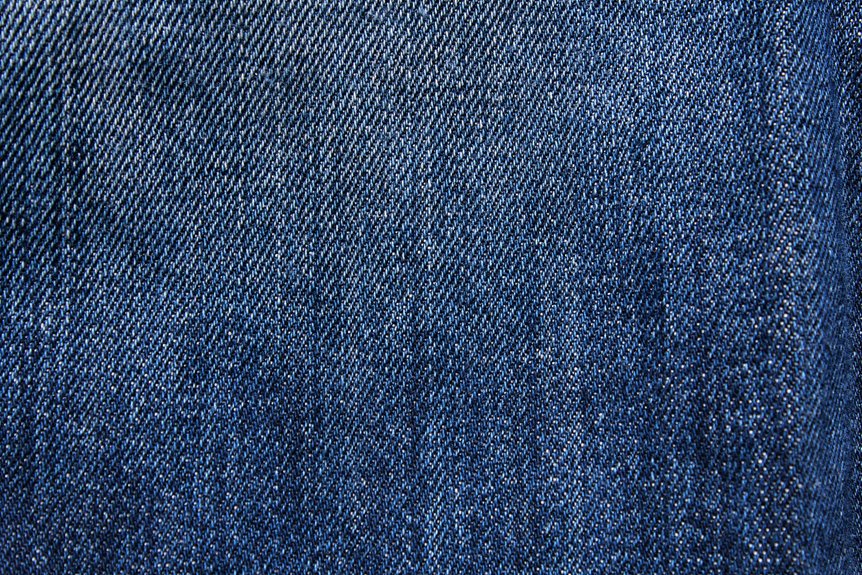
You’re looking at a smooth, thick fabric made from a blend of polyester and spandex. Polyester gives scuba fabric its durability and shape retention, while spandex provides stretch and comfort. It’s created using a double-knit technique, which makes it strong yet flexible, with a slight sheen and wrinkle resistance. This fabric is used in fashion for a modern look. Keep exploring to uncover more about its qualities and environmental impact.
Key Takeaways
- Scuba fabric is made from a blend of polyester and spandex fibers.
- It features a double-knit construction, knitting two fabric layers simultaneously.
- Polyester provides durability, shape retention, and quick-drying properties.
- Spandex adds stretchability, allowing the fabric to stretch and return to shape.
- The fabric has a smooth, thick texture with a slight sheen and wrinkle resistance.
Understanding the Fiber Composition of Scuba Fabric
Fibers form the backbone of scuba fabric, giving it the unique stretch and durability you rely on.
When you examine scuba fabric, you’ll notice it combines synthetic fibers that provide strength and flexibility. These fibers are tightly woven and knitted to create a smooth, thick texture that resists wrinkles and holds shape well.
You’ll find that the fabric’s resilience comes from the way these fibers interlock, allowing it to stretch comfortably without losing form. This construction also offers a slight sheen, adding to its modern appeal.
Understanding the fiber makeup helps you appreciate why scuba fabric feels so substantial yet soft. It’s designed to balance comfort with sturdiness, making it perfect for form-fitting garments that need reliable elasticity and structure.
The Role of Polyester in Scuba Fabric
Polyester plays a crucial role in giving scuba fabric its strength and durability. When you wear scuba fabric, you benefit from polyester’s resistance to stretching and shrinking, which helps the material maintain its shape over time.
Polyester fibers also add resilience against abrasions and environmental factors like moisture and UV exposure. This means your scuba garments can handle regular wear and outdoor conditions without losing their integrity.
Additionally, polyester’s quick-drying nature guarantees comfort, making it ideal for active use. By blending polyester into scuba fabric, manufacturers create a material that feels sturdy yet smooth, ready to support your movements while standing up to everyday challenges.
How Spandex Contributes to Scuba Fabric’s Stretch
While polyester gives scuba fabric strength and durability, spandex brings the stretch that makes it move with you. Without spandex, scuba fabric would feel stiff and restrictive.
Spandex fibers are incredibly elastic, allowing the fabric to stretch up to five times its original length without losing shape. This flexibility gives you freedom of movement, whether you’re bending, twisting, or stretching. It also helps the fabric return to its original form after wear, maintaining a smooth, sleek look.
Because spandex integrates seamlessly with polyester, scuba fabric achieves a perfect balance of firmness and stretchiness. When you wear something made from scuba fabric, you’ll notice how comfortably it adapts to your body, thanks largely to the dynamic stretch properties spandex provides.
The Double-Knit Construction Technique
Because scuba fabric needs both durability and flexibility, manufacturers use a double-knit construction technique to achieve this balance. This method involves knitting two separate layers of fabric simultaneously, creating a thick, stable material that still stretches well.
Scuba fabric’s double-knit construction delivers durability and stretch by knitting two layers simultaneously.
When you wear scuba fabric, you benefit from its smooth surface and structured form, thanks to this technique.
Here’s why the double-knit construction stands out:
- Enhances strength without sacrificing stretch.
- Provides a smooth, even finish ideal for fashion and activewear.
- Offers excellent shape retention, so garments keep their form.
- Adds insulation, making scuba fabric comfortable in various temperatures.
This technique is key to scuba fabric’s unique combination of performance and style.
Differences Between Scuba and Neoprene Fabric
Although scuba and neoprene fabrics share similar names and a stretchy feel, they serve very different purposes and have distinct compositions.
When you choose scuba fabric, you’re opting for a double-knit material made primarily from polyester and spandex, designed for fashion rather than insulation. It’s smooth, soft, and breathable, perfect for structured garments like dresses and skirts.
Neoprene, on the other hand, is a synthetic rubber, thicker and denser, created mainly for water resistance and thermal insulation. You’ll find neoprene in wetsuits and protective gear because it traps heat and blocks water effectively.
Manufacturing Process of Scuba Fabric
When you explore how scuba fabric comes to life, you’ll find that its manufacturing involves a precise double-knit technique combining polyester and spandex fibers. This method creates a smooth, thick, and stretchy material ideal for various uses.
Here’s how it unfolds:
- Fiber Preparation: Polyester and spandex fibers are carefully selected and prepared for knitting.
- Double-Knit Construction: Both fiber types are knitted simultaneously on specialized machines, forming two fabric layers joined together.
- Heat Setting: The fabric undergoes heat treatment to stabilize its shape and enhance durability.
- Finishing Touches: Finally, the fabric is dyed, treated for softness, and inspected for quality.
This process guarantees scuba fabric’s characteristic thickness, stretch, and smooth finish.
Benefits of Synthetic Blends in Scuba Material
The combination of polyester and spandex fibers in scuba fabric doesn’t just shape its structure—it also brings a range of advantages that enhance its performance.
You’ll notice how this synthetic blend offers excellent stretch and recovery, allowing the fabric to move with you without losing its shape. It resists wrinkles and creases, so your garment stays smooth and polished throughout the day.
Plus, the blend is durable and resistant to pilling, making it perfect for long-term wear. The moisture-wicking properties keep you comfortable by drawing sweat away from your skin.
Additionally, the fabric’s ability to retain vibrant colors means your scuba pieces won’t fade easily.
Common Uses of Scuba Fabric in Fashion
If you’ve ever wondered why scuba fabric has gained popularity in fashion, it’s because designers value its versatility and durability.
This material adapts well to various styles and occasions, making it a favorite choice for many wardrobe essentials. You’ll find scuba fabric used in:
- Bodycon dresses – it hugs your curves while providing structure.
- Jackets and blazers – offering a sleek, modern look with comfort.
- Skirts – its thickness holds shape, perfect for A-line or pencil styles.
- Activewear – stretchy and breathable for movement without losing form.
With its smooth finish and resilience, scuba fabric helps you achieve both style and functionality effortlessly.
Durability and Care of Scuba Fabric
You’ll find scuba fabric stands up well to regular wear thanks to its dense, double-knit construction.
This structure makes it resistant to stretching and snagging, so your garments maintain shape and look fresh over time.
To care for scuba fabric, wash it on a gentle cycle with cold water to prevent damage and color fading.
Avoid bleach and harsh detergents, which can break down the fibers.
When drying, lay your item flat or hang it to air dry—skip the dryer, as high heat can affect the fabric’s elasticity.
If ironing is necessary, use a low setting and place a cloth between the iron and fabric to avoid melting.
Environmental Considerations of Scuba Fabric Production
While caring for scuba fabric helps extend its life, understanding how it’s made gives you a fuller picture of its impact.
Scuba fabric production involves synthetic fibers like polyester and nylon, which rely on petrochemicals, contributing to environmental concerns.
When you choose scuba fabric products, consider these factors:
- Energy Consumption – Manufacturing synthetic fibers requires significant energy, often from non-renewable sources.
- Chemical Use – Production involves chemicals that can pollute water and soil if not managed properly.
- Waste Generation – Fabric scraps and offcuts may end up in landfills unless recycled.
- Microplastic Pollution – Washing scuba fabric can release microfibers into waterways, affecting marine life.
Frequently Asked Questions
Can Scuba Fabric Be Recycled After Use?
You can recycle scuba fabric, but it depends on local facilities since it’s a synthetic blend. Consider repurposing it for crafts or donating to textile recyclers who accept mixed fabrics to reduce waste effectively.
How Does Scuba Fabric Perform in Water Resistance?
Did you know scuba fabric can resist water absorption up to 90%? You’ll find it performs well in water resistance, keeping you dry and comfortable by repelling moisture while still staying breathable for everyday wear.
Is Scuba Fabric Suitable for Allergy-Prone Skin?
If you have allergy-prone skin, you might find scuba fabric generally safe since it’s smooth and hypoallergenic. However, always test a small patch first because some synthetic materials can still cause irritation for sensitive skin.
What Are the Best Sewing Techniques for Scuba Fabric?
Back in the Victorian era, they’d envy your modern sewing skills! You should use a stretch needle, a walking foot, and a zigzag stitch to handle scuba fabric’s thickness and stretch without puckering or breaking seams.
Can Scuba Fabric Be Dyed at Home?
You can dye scuba fabric at home, but it’s tricky since it resists some dyes. Use fabric-specific or synthetic dyes, test a small piece first, and follow instructions carefully to avoid uneven coloring or damage.