
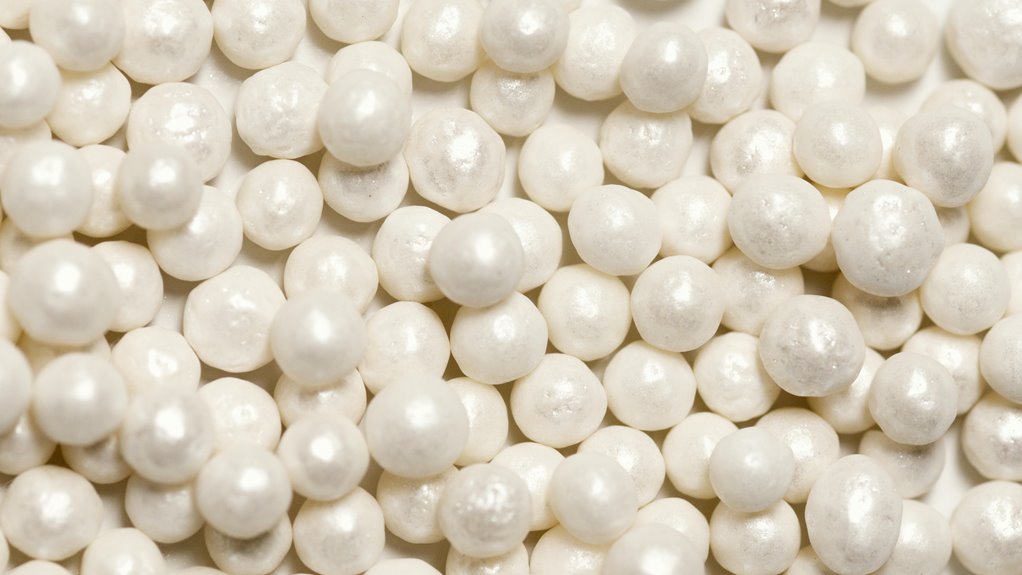
You use polyamide plastic every day without realizing it—it’s a durable, flexible material known for strength and resistance to wear, making it ideal for textiles, automotive parts, and consumer goods. Polyamide’s unique chemical structure, featuring strong amide bonds, gives it excellent tensile strength and impact resistance. It’s produced through advanced polymerization and molding processes. If you want to understand why polyamide is so versatile and where it’s headed, there’s plenty more to explore.
Key Takeaways
- Polyamide plastic is a synthetic polymer characterized by strong amide bonds linking its molecular chains.
- Nylon is the most common type of polyamide used commercially since its introduction in 1935.
- It offers high tensile strength, flexibility, abrasion resistance, and impact resistance for diverse applications.
- Polyamide is manufactured via polymerization of monomers like caprolactam and shaped by injection molding or extrusion.
- It is widely used in automotive parts, textiles, electronics, and consumer goods due to its durability and versatility.
History and Development of Polyamide
Although polyamide’s origins trace back to the early 20th century, its development truly accelerated during the 1930s when researchers sought durable synthetic fibers.
Polyamide’s journey began in the early 1900s, gaining momentum in the 1930s with the quest for tough synthetic fibers.
You’d find that the breakthrough came with nylon, the first commercial polyamide, introduced by Wallace Carothers at DuPont in 1935. This innovation revolutionized textiles by offering a strong, elastic alternative to silk.
As you explore polyamide’s history, you’ll see how World War II boosted its production for military use, from parachutes to ropes.
After the war, industries quickly adopted polyamide plastics for everyday products like toothbrushes and gears.
You can appreciate how continuous improvements in manufacturing methods expanded polyamide’s versatility, making it a staple in both textiles and engineering plastics.
This history sets the stage for understanding why polyamides remain essential today.
Chemical Structure of Polyamide Plastics
You’ll find that polyamide plastics owe their strength to the amide bonds linking their polymer chains.
These bonds create long molecular chains that arrange themselves in ways affecting the material’s properties.
Understanding this structure helps you see why polyamides perform so well in various applications.
Amide Bond Characteristics
Because the amide bond forms the backbone of polyamide plastics, understanding its characteristics is essential to grasping how these materials perform.
You’ll find that the amide bond, also called a peptide bond, links a carbonyl group (C=O) to a nitrogen atom (N-H). This bond is strong and has partial double-bond character due to resonance, which restricts rotation and adds rigidity.
It also creates polarity, allowing hydrogen bonding between polymer chains. These hydrogen bonds enhance the material’s strength, thermal stability, and resistance to chemicals.
When you handle polyamide plastics, you’re experiencing these molecular interactions firsthand.
Polymer Chain Formation
When you look at polyamide plastics, you’ll see their strength comes from long polymer chains formed by repeating units linked through amide bonds.
These chains grow as monomers—each containing amine and carboxylic acid groups—react to form the characteristic amide linkages. This process, called condensation polymerization, releases small molecules like water as byproducts.
As the chain extends, the sequence of these repeating units creates a backbone that gives polyamides their durability and flexibility. The chemical structure allows for strong hydrogen bonding between chains, but we’ll explore that more later.
For now, focus on how the precise connection of these monomers into long chains builds the foundation of polyamide plastics’ mechanical properties and chemical resistance. This controlled formation is key to their widespread use in textiles, automotive parts, and more.
Molecular Arrangement Effects
Although polyamide plastics share similar chemical bonds, their molecular arrangement profoundly influences their properties.
You’ll find that how the polymer chains align and pack together determines strength, flexibility, and resistance. Here’s what you should know about these effects:
- Crystallinity: Higher crystallinity means tighter packing, boosting strength and thermal resistance.
- Chain Orientation: When chains align in one direction, you get increased tensile strength and stiffness.
- Hydrogen Bonding: Strong intermolecular hydrogen bonds enhance durability and impact resistance.
- Amorphous Regions: These areas add flexibility and improve impact absorption.
Manufacturing Processes for Polyamide
Understanding the manufacturing processes for polyamide helps you appreciate how this versatile plastic transforms from raw materials into durable products.
You start with monomers like caprolactam or hexamethylene diamine, which undergo polymerization to form long polyamide chains.
Once polymerized, the material is melted and shaped through methods like injection molding, extrusion, or blow molding.
Injection molding lets you create intricate parts by injecting molten polyamide into molds.
Extrusion pushes melted polyamide through a die to produce continuous profiles like films or fibers.
Blow molding forms hollow objects by inflating molten plastic inside a mold.
After shaping, polyamide parts often undergo cooling and finishing steps to enhance strength and surface quality.
These processes make polyamide a reliable choice for automotive, textile, and industrial applications.
Physical and Mechanical Properties
Because polyamide combines strength with flexibility, you’ll find it widely used in applications that demand durability and resilience. Its physical and mechanical properties make it a versatile choice for various industries.
Polyamide blends strength and flexibility, making it ideal for durable, resilient applications across industries.
When you use polyamide, you benefit from:
- High tensile strength — it withstands heavy loads without breaking.
- Excellent abrasion resistance — it endures wear and tear over time.
- Good impact resistance — it absorbs shocks without cracking.
- Low coefficient of friction — it reduces wear in moving parts.
These properties guarantee polyamide performs well under stress and in harsh environments.
Plus, its ability to retain strength over a wide temperature range means it won’t easily deform or fail, keeping your products reliable and long-lasting.
Common Types of Polyamide Plastics
You’ll find several common types of polyamide plastics, each with unique strengths and uses.
Nylon varieties are the most popular, but specialty polyamides offer tailored properties for specific needs.
Let’s explore how these different types fit into various applications.
Nylon Varieties Overview
While exploring polyamide plastics, you’ll find that nylon varieties stand out due to their versatility and performance.
Each nylon type offers unique properties suited for different applications. Here are the most common nylon varieties you’ll encounter:
- Nylon 6 – Known for excellent strength and flexibility, ideal for textiles and industrial parts.
- Nylon 6,6 – Offers higher melting point and mechanical strength, great for automotive and electrical components.
- Nylon 11 – Biobased and more flexible, used in tubing and sports equipment.
- Nylon 12 – Exhibits low moisture absorption and good chemical resistance, perfect for automotive fuel lines and medical devices.
Understanding these differences helps you select the right nylon for your specific needs without compromising performance or durability.
Specialty Polyamides Explained
Nylon varieties cover a broad spectrum of applications, but specialty polyamides bring even more tailored solutions to the table. These materials offer enhanced properties like higher heat resistance, chemical stability, or improved mechanical strength, making them ideal for demanding environments. You’ll find specialty polyamides used where standard nylons might fall short.
| Specialty Polyamide Type | Key Feature |
|---|---|
| PA 6T | High thermal stability |
| PA 11 | Biobased, flexible |
| PA 12 | Low moisture absorption |
Each type serves different needs. For example, PA 6T withstands high temperatures, while PA 11 and PA 12 excel in flexibility and moisture resistance. Choosing the right specialty polyamide means matching its strengths to your specific project requirements.
Applications of Polyamides
Polyamides come in several common types, each suited for distinct applications that you might encounter in everyday products and industrial uses. Understanding these can help you choose the right material for your needs.
Here are four key types and their typical applications:
- Nylon 6,6 – Used in automotive parts, industrial machinery, and textiles due to its strength and heat resistance.
- Nylon 6 – Common in fibers, films, and plastic parts; it offers good abrasion resistance and flexibility.
- PA12 (Polyamide 12) – Favored for fuel lines, electrical cables, and medical devices because of its low moisture absorption.
- PA11 (Polyamide 11) – Often found in sports equipment and pneumatic tubing, prized for its toughness and chemical resistance.
Knowing these will help you identify where polyamides fit in your projects or products.
Applications Across Different Industries
Versatility drives the widespread use of polyamide plastic across many industries. Whether you work in automotive, textiles, or electronics, polyamide offers solutions tailored to your needs. Its strength and durability make it ideal for components exposed to stress, while its resistance to chemicals suits industrial applications. Check out how different sectors utilize polyamide:
| Industry | Common Applications |
|---|---|
| Automotive | Engine covers, fuel lines |
| Textiles | Sportswear, lingerie |
| Electronics | Connectors, circuit boards |
| Consumer Goods | Kitchen utensils, toothbrushes |
When you choose polyamide, you get a reliable material that adapts to diverse demands, helping you innovate and improve product performance across various fields.
Advantages of Using Polyamide Materials
When you choose polyamide materials, you get outstanding durability and strength that stand up to tough conditions.
You’ll also benefit from excellent chemical resistance, making them ideal for various demanding environments.
Let’s explore how these advantages make polyamides a smart choice.
Durability and Strength
Although you mightn’t always notice, materials made from polyamide are designed to withstand significant wear and tear. When you choose polyamide, you get a material that offers exceptional durability and strength, making it ideal for demanding applications.
Here’s why polyamide stands out:
- High tensile strength lets it handle heavy loads without breaking.
- Excellent impact resistance means it won’t easily crack or shatter.
- Superior fatigue resistance allows it to endure repeated stress over time.
- Good abrasion resistance keeps surfaces intact even after constant friction.
These qualities guarantee that products made from polyamide maintain their integrity and performance, saving you from frequent replacements and repairs.
When durability and strength matter, polyamide is a reliable choice.
Chemical Resistance Benefits
Polyamide materials resist a wide range of chemicals, making them an excellent choice for environments where exposure to oils, solvents, and acids is common.
When you use polyamide, you benefit from its ability to maintain structural integrity despite contact with harsh substances. This chemical resistance reduces the risk of degradation, swelling, or cracking that other plastics might suffer.
Whether you’re working in automotive, industrial, or consumer product applications, polyamide guarantees longevity and reliability. You won’t have to worry about frequent replacements or maintenance caused by chemical damage.
Plus, its resistance helps maintain performance under challenging conditions, saving you time and money. Choosing polyamide means you get a dependable material that stands up to chemical exposure without compromising strength or durability.
Challenges and Limitations of Polyamide
Since you rely on polyamide for many applications, it’s important to understand its challenges and limitations.
While it offers impressive strength and chemical resistance, polyamide isn’t perfect for every situation. Here are some key drawbacks you should consider:
- Moisture Absorption – Polyamide tends to absorb water, which can affect its mechanical properties and dimensional stability.
- UV Sensitivity – Prolonged exposure to sunlight may cause degradation and discoloration.
- Thermal Limitations – It has a moderate heat resistance but can deform under high temperatures.
- Cost – Polyamide can be more expensive than other plastics, impacting budget-sensitive projects.
Environmental Impact and Sustainability
Understanding the challenges of polyamide helps you make better choices about its use, especially when considering its environmental impact and sustainability.
Polyamide production consumes significant energy and relies heavily on non-renewable resources, contributing to carbon emissions. When you use polyamide products, you should also consider their end-of-life disposal—these plastics can persist in the environment for decades if not properly recycled.
However, you can reduce your impact by opting for recycled polyamide materials, which lower resource consumption and waste. Additionally, advancements in bio-based polyamides offer more sustainable options, using renewable feedstocks instead of petroleum.
Future Trends in Polyamide Technology
As industries push for materials that combine performance with sustainability, you’ll see exciting innovations shaping the future of polyamide technology.
You can expect advancements that focus on improving durability while reducing environmental impact. Here are four key trends to watch:
- Bio-based polyamides derived from renewable resources, cutting reliance on fossil fuels.
- Enhanced recyclability and chemical recycling methods to promote circular economy practices.
- Development of lighter, stronger polyamide composites for automotive and aerospace applications.
- Integration of smart additives that provide self-healing or antimicrobial properties.
Frequently Asked Questions
How Do Polyamide Plastics Compare to Other Plastics in Cost?
You’ll find polyamide plastics cost about 20-30% more than common plastics like polypropylene due to their durability and heat resistance. This investment pays off when you need long-lasting, high-performance materials for demanding applications.
Can Polyamide Plastics Be Easily Recycled at Home?
You can’t easily recycle polyamide plastics at home because they require specialized processes. It’s best to take them to a professional recycling center that handles nylon-based materials to guarantee proper recycling and avoid contamination.
Are Polyamide Plastics Safe for Food Contact?
You’d think polyamide plastics could survive a dragon’s fiery breath, but they’re actually safe for food contact! Just make sure they meet FDA or EU standards before using them with your meals to keep things safe and sound.
What Colors Are Available for Polyamide Plastic Products?
You can find polyamide plastic products in a wide range of colors, from natural and translucent shades to vibrant hues. Manufacturers often customize colors to fit your needs, making these plastics versatile for various applications.
How Resistant Is Polyamide to UV Light Exposure?
You’ll find polyamide plastic fairly faithful against fading from fierce UV light. Though it’s naturally not the most UV-resistant, you can boost its barrier with additives, helping it hold hue and hardness longer.