
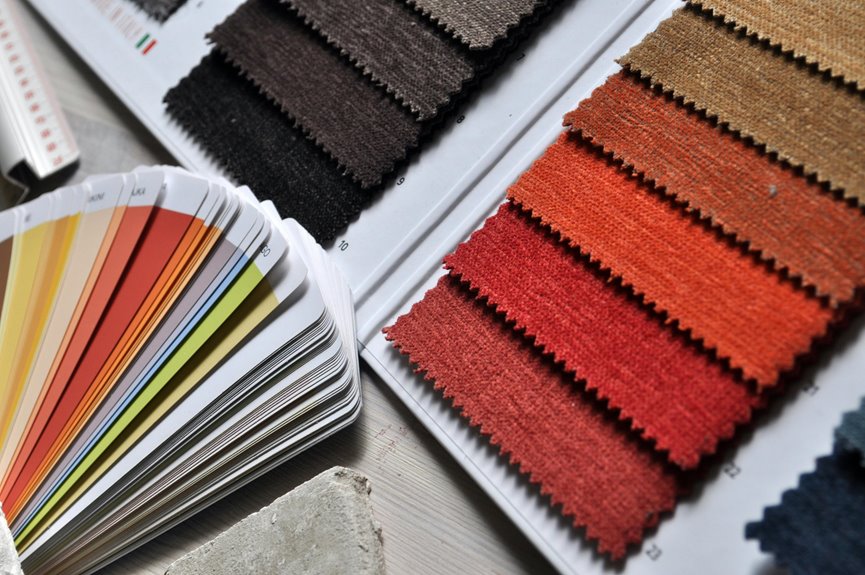
Pinwale piqué is a lightweight, durable fabric with fine raised ribs, giving it a soft yet structured feel. You’ll find it comfortable and breathable, making it ideal for sewing polo shirts, lightweight jackets, casual dresses, and even home textiles like cushion covers. Its moisture-wicking and wrinkle-resistant properties add to its versatility. Perfect if you need fabric that holds shape well but still offers comfort. Keep exploring to discover its origins, care tips, and how it compares to other cotton fabrics.
Key Takeaways
- Pinwale piqué is a ribbed cotton fabric with fine, raised vertical “wales” offering breathability and durability.
- It features a soft, textured surface that maintains shape and resists wrinkles, ideal for structured clothing.
- This fabric is best for polo shirts, lightweight jackets, casual dresses, and tailored garments needing body.
- Pinwale piqué suits sportswear and children’s clothing due to moisture-wicking, softness, and resilience.
- Easy to care for with cold washing, low-heat drying, and low-temperature ironing to preserve fabric quality.
Understanding the Texture of Pinwale Piqué
Anyone who touches pinwale piqué quickly notices its distinctive texture. You’ll feel the fine, raised ribs running parallel across the surface, giving it a subtle striped effect.
This texture is created by weaving closely spaced wales or ridges, which adds both dimension and durability. Because of these raised ribs, pinwale piqué offers a soft yet structured feel that holds its shape well.
You’ll find it breathable, thanks to the slight gaps between the ribs, making it comfortable for wear. When you work with pinwale piqué, you’ll appreciate how it resists wrinkles and maintains a crisp appearance.
Its texture is ideal for projects where you want a balance of elegance and practicality without sacrificing comfort.
The History and Origin of Pinwale Piqué Fabric
Pinwale piqué fabric traces its roots back to traditional weaving techniques developed in the 19th century. You’ll find that its name comes from the French word “piquer,” meaning “to quilt” or “to prick,” reflecting the fabric’s textured surface.
Originally, artisans crafted piqué using special looms that created raised parallel cords, or “wales,” giving the fabric its distinctive ribbed appearance. This method was popularized in Europe, especially in England and France, where it was used for durable clothing like sportswear and uniforms.
When you work with pinwale piqué, you’re engaging with a fabric that blends history and craftsmanship, designed for both function and style. Understanding its origins helps you appreciate why it’s still favored for certain projects today.
Key Characteristics and Benefits of Pinwale Piqué
You’ll notice Pinwale Piqué’s unique texture comes from its fine, raised cords woven into the fabric.
It offers impressive durability without sacrificing comfort, making it ideal for everyday wear.
Let’s explore how these qualities benefit your projects.
Texture and Weave
The unique texture and weave of pinwale piqué create a fabric that’s both visually appealing and functional.
You’ll notice the fine, raised ribs—called “wales”—running parallel, giving the fabric a subtle corded effect. This distinctive surface isn’t just for looks; it adds a tactile dimension that sets pinwale piqué apart from smoother cotton fabrics.
The weave itself is a tight, double-knit structure, which helps maintain the fabric’s shape and gives it a slight stretch. When you handle pinwale piqué, you’ll appreciate how the texture adds depth without bulk, making it ideal for tailored garments or casual wear that needs a bit of structure.
This weave allows breathability while providing a polished, refined look perfect for various sewing projects.
Durability and Comfort
Beyond its distinctive texture and weave, this fabric stands out for both durability and comfort. When you choose pinwale piqué, you’re getting a material that holds up well against everyday wear and tear, making it ideal for garments and projects that need to last.
Its tightly woven structure resists stretching and pilling, so your creations stay looking fresh longer. At the same time, the fabric feels soft and breathable against your skin, providing comfort without sacrificing sturdiness.
Whether you’re sewing polo shirts, casual dresses, or home textiles, pinwale piqué balances toughness with a pleasant hand feel. You won’t have to compromise on comfort to get a fabric that performs reliably, which makes it a smart choice for a wide range of projects.
Ideal Garments to Sew With Pinwale Piqué
You’ll find pinwale piqué perfect for sewing structured garments like polo shirts and lightweight jackets.
Its texture and breathability make it great for both warm and cooler seasons.
Let’s explore which pieces work best and how to style them year-round.
Best Garment Types
Although pinwale piqué offers a unique texture and durability, it shines best in garments that benefit from its structured yet breathable qualities.
You’ll find it perfect for polo shirts, where its slightly raised texture adds visual interest and helps wick moisture. It’s also ideal for casual dresses and skirts that require some body without stiffness.
When sewing jackets or lightweight blazers, pinwale piqué provides just enough firmness to hold shape while remaining comfortable. Additionally, children’s clothing benefits from this fabric’s durability and ease of care.
Avoid using it for flowy or drapey garments since its texture lends itself to more tailored designs. By choosing pinwale piqué for these garment types, you’ll maximize both style and function in your sewing projects.
Seasonal Wear Options
Pinwale piqué’s structured yet breathable nature makes it a versatile choice for various seasons.
In warmer months, you’ll appreciate how it allows airflow, making it perfect for polo shirts, summer dresses, or lightweight skirts. Its textured surface adds interest without extra weight, keeping you cool and stylish.
When the temperature drops, you can still rely on pinwale piqué for layering pieces like blazers, casual jackets, or long-sleeve shirts. The fabric’s durability and subtle thickness provide enough warmth without bulk.
Whether you’re sewing for spring, summer, or early fall, pinwale piqué adapts well, letting you create garments that combine comfort and structure.
Using Pinwale Piqué in Home Decor Projects
Incorporating piqué fabric into your home decor adds a subtle texture that enhances both comfort and style.
Pinwale piqué, with its distinctive raised ridges, works perfectly for accent pillows, offering a tactile element that invites touch. You can also use it for slipcovers or lightweight throws, giving your furniture a fresh, cozy look without overwhelming the space.
Its durability makes it ideal for areas that see regular use, like dining chair cushions or ottoman covers. Plus, the fabric’s natural breathability keeps items feeling comfortable year-round.
When choosing colors, consider soft neutrals to complement various decor styles or bold hues to create focal points. Using pinwale piqué lets you blend practicality with understated elegance in your living space.
Care and Maintenance Tips for Pinwale Piqué
To keep your pinwale piqué items looking their best, proper care and maintenance play a big role.
Wash them in cold water on a gentle cycle to prevent shrinkage and maintain the fabric’s texture. Avoid using bleach, as it can weaken fibers and dull colors.
When drying, opt for air drying or tumble dry on low heat to preserve the fabric’s structure and avoid excessive wrinkling.
Iron your pinwale piqué on a low setting while the fabric is slightly damp to smooth out any creases without damaging the texture.
Store your items folded or hung in a cool, dry place to prevent mildew or distortion.
Following these steps helps your pinwale piqué projects stay durable and fresh for years.
Comparing Pinwale Piqué With Other Cotton Fabrics
Although many cotton fabrics share similar qualities, you’ll find that pinwale piqué stands out because of its unique texture and durability. Unlike plain cotton, pinwale piqué features raised parallel ribs, giving it a distinctive feel and look.
When you compare it to other textured cottons like dobby or waffle, pinwale piqué offers a smoother, more refined surface, making it ideal for projects where subtle texture matters. It also holds shape better than standard cotton, so your creations maintain structure over time.
If you want breathable fabric that’s also sturdy, pinwale piqué beats many other cotton types. Whether you’re making apparel or home décor, choosing pinwale piqué means you get both comfort and resilience without sacrificing style or quality.
Frequently Asked Questions
Where Can I Buy Authentic Pinwale Piqué Fabric Online?
You can buy authentic pinwale piqué fabric online from specialty fabric stores like Fabric.com, Mood Fabrics, or Etsy. Check product descriptions carefully to verify authenticity and read reviews before purchasing to get the best quality for your projects.
Is Pinwale Piqué Fabric Suitable for Summer Clothing?
Yes, pinwale piqué fabric’s breathable texture and light weight make it perfect for summer clothing. You’ll stay comfortable and stylish in warm weather, whether you’re making shirts, dresses, or casual wear with this fabric.
Can Pinwale Piqué Be Used for Upholstery Projects?
You can use pinwale piqué for upholstery, especially for light-use furniture. Its textured weave adds interest, but it’s not as durable as heavy-duty fabrics. Consider its strength and style before committing to upholstery projects.
Does Pinwale Piqué Fabric Shrink After Washing?
You’ll likely notice some shrinkage when you wash pinwale piqué fabric, especially if it’s cotton. To minimize this, wash in cold water and air dry. Pre-washing before sewing helps prevent surprises later.
What Colors and Patterns Are Common in Pinwale Piqué?
You’ll find pinwale piqué in classic colors like navy, white, and pastels. It often features subtle stripes or textured patterns, giving your projects a sophisticated yet casual look that’s perfect for apparel and home décor.