
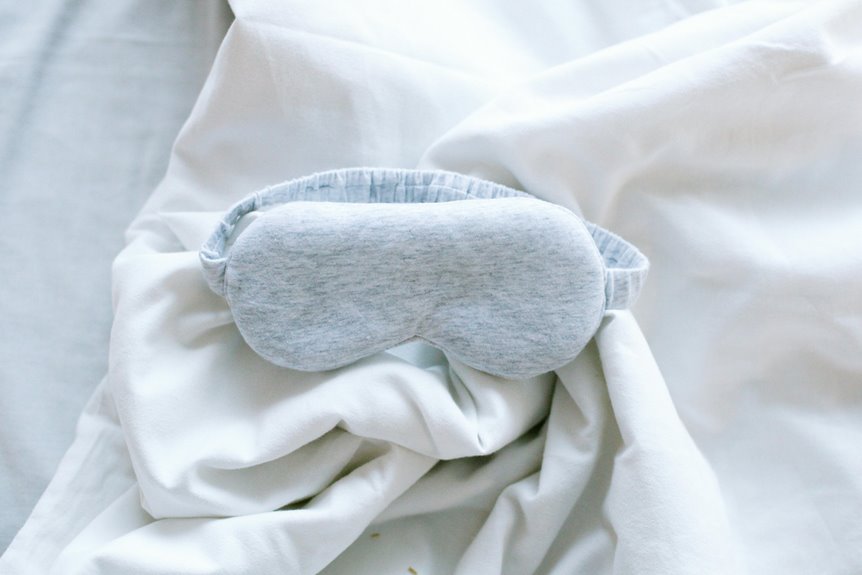
You’ll find percale cotton known for its crisp, smooth texture and breathable feel thanks to its tight plain weave. Made from long-staple fibers, it’s strong, durable, and cool against your skin—ideal for warm sleepers or all-season use. Percale offers a matte finish, resists pilling, and stays crisp with proper care. If you want to learn about its history, how it compares to other cotton weaves, or care tips, keep exploring these essentials.
Key Takeaways
- Percale cotton is a tightly woven fabric with a crisp, smooth texture and a matte finish, made using a one-over, one-under weave pattern.
- It typically has a thread count of at least 180, ensuring durability and a breathable, cool feel against the skin.
- Made from long-staple cotton fibers, percale is strong, resistant to pilling, and becomes softer with each wash.
- Compared to sateen or twill, percale is more breathable and crisp, ideal for warm sleepers and year-round comfort.
- Percale cotton bedding is easy to care for, moisture-wicking, wrinkle-resistant with proper handling, and maintains durability over time.
What Defines Percale Cotton Fabric
Percale cotton fabric stands out for its crisp, smooth texture and tight weave. When you choose percale, you’re opting for a fabric woven with a one-over, one-under pattern, creating a matte finish that feels cool and breathable against your skin.
You’ll notice it’s lighter and less slippery than sateen, giving your sheets a fresh, clean feel. Percale typically has a thread count of at least 180, which guarantees durability without sacrificing softness.
This fabric is made from long-staple cotton fibers, so it’s strong and resists pilling, making it ideal for everyday use. When you pick percale cotton, you’re getting a fabric that balances comfort, strength, and breathability—perfect for a good night’s sleep.
The Weaving Process Behind Percale
You’ll notice that percale’s crisp feel comes from its plain weave structure, where threads cross evenly.
The thread count plays a big role in how smooth and durable the fabric feels.
Plus, the quality of the yarn used directly affects the overall texture and strength of your percale cotton.
Plain Weave Structure
The plain weave structure forms the foundation of percale’s crisp, smooth texture.
When you look closely, percale’s threads interlace in a simple over-under pattern, with each weft thread crossing over one warp thread, then under the next.
This straightforward design keeps the fabric tight and balanced, giving you a matte finish that feels cool and breathable against your skin.
Unlike more complex weaves, this structure avoids any raised surfaces or patterns, which is why percale feels so smooth and lightweight.
You’ll notice it holds up well over time, too, thanks to the even tension across both warp and weft threads.
Thread Count Impact
A thread count between 200 and 400 usually defines percale’s ideal balance of softness and durability.
When you choose percale sheets, you’re looking at a fabric woven with a tight, plain weave that uses one thread over, one thread under. This precise weaving creates a crisp, matte finish and a breathable texture you’ll appreciate on warm nights.
If the thread count dips below 200, the fabric may feel rough or less durable. Go above 400, and you risk losing percale’s signature crispness, edging into sateen territory instead.
Yarn Quality Factors
Although thread count plays an essential role, the quality of yarn used in percale sheets greatly affects their feel and durability.
When you choose percale, look for long-staple cotton fibers, as these produce finer, stronger yarns. The finer the yarn, the smoother and more breathable your sheets will feel. High-quality yarn also resists pilling and wears better over time, so your sheets stay crisp wash after wash.
During the weaving process, these yarns are tightly woven in a one-over-one-under pattern, creating that signature matte finish and cool texture you expect from percale.
Comparing Percale to Other Cotton Weaves
When you compare percale to other cotton weaves, you’ll notice it stands out for its crisp texture and breathable feel.
Percale’s plain weave creates a matte finish and offers durability without sacrificing softness.
Here’s how it stacks up against other common cotton weaves:
- Sateen: Smoother and shinier, but less breathable than percale.
- Twill: Features diagonal lines, heavier and warmer than percale.
- Jersey: Knit fabric, stretchier but less durable than woven percale.
- Canvas: Thick and rugged, ideal for heavy use but not bedding.
- Muslin: Looser weave, softer but less crisp than percale.
You’ll appreciate percale if you want a cool, crisp feel that lasts wash after wash.
The Origin and History of Percale Cotton
You’ll find that percale cotton has roots dating back centuries, originally crafted with a simple, tight weave.
Its design evolved alongside advances in the textile industry, improving durability and feel.
Understanding this history helps you appreciate why percale remains a popular choice today.
Early Percale Development
Percale cotton has a history that stretches back several centuries, tracing its origins to the bustling textile markets of Persia and India.
You’ll find that early percale was prized for its tightly woven, smooth texture, which set it apart from other fabrics.
As you explore its development, note these key points:
- Crafted from fine, long-staple cotton fibers
- Woven in a one-over-one-under pattern for durability
- Known for its crisp feel and matte finish
- Originally handwoven on traditional looms
- Exported along the Silk Road, spreading its popularity
Evolution in Textile Industry
Although the origins of percale cotton lie in ancient Persia and India, its evolution truly accelerated with advancements in the textile industry.
As weaving techniques improved during the Industrial Revolution, you saw percale’s fine, tightly woven fabric become more accessible and affordable. The introduction of power looms allowed manufacturers to produce consistent, high-quality percale at scale.
You’ll also notice that innovations in cotton processing removed impurities, enhancing the fabric’s smoothness and durability. These developments made percale a popular choice for bedding and apparel, prized for its crisp feel and breathability.
Today, you benefit from centuries of progress that have perfected percale cotton, combining traditional craftsmanship with modern technology to deliver comfort and quality in every thread.
Key Characteristics and Texture of Percale
When you touch percale fabric, you’ll notice its crisp, cool feel that sets it apart from other cotton weaves.
Experience the crisp, cool touch of percale fabric that distinguishes it from other cotton weaves.
Percale is tightly woven, giving it a smooth, matte finish that feels fresh against your skin. Its texture is lightweight yet durable, perfect for breathable bedding.
Here are key characteristics you’ll appreciate:
- Thread count typically ranges from 180 to 200, ensuring quality and durability.
- Matte finish that resists shine and gives a clean look.
- Cool and crisp texture that stays comfortable year-round.
- Lightweight and breathable, promoting airflow.
- Softens with each wash without losing its structure.
These features make percale distinctive, offering a unique tactile experience you’ll want to come back to every night.
Benefits of Using Percale Cotton Bedding
You’ll enjoy several advantages by choosing cotton bedding woven with a percale weave.
First, percale’s crisp, cool feel keeps you comfortable throughout the night, especially if you tend to sleep warm. Its tight, plain weave makes the fabric durable and long-lasting, so your sheets hold up well after many washes.
You’ll also appreciate how breathable percale cotton is, allowing air to circulate and reducing moisture buildup. This helps maintain a fresh, dry sleeping environment.
Plus, percale’s matte finish and smooth texture give your bedding a clean, classic look that’s easy to style.
Finally, percale cotton is typically easy to care for—it resists pilling and wrinkles better than many other fabrics, keeping your bed looking neat with minimal effort.
How Percale Cotton Performs in Different Climates
You’ll appreciate how percale cotton keeps you cool in humid weather thanks to its breathability.
When temperatures drop, it still holds warmth without feeling heavy.
Plus, its moisture-wicking properties help keep you comfortable no matter the climate.
Breathability in Humid Conditions
Although humid conditions can make sleeping uncomfortable, percale cotton stands out for its breathability and moisture-wicking properties. When you choose percale sheets, you’re opting for fabric that helps keep you cool and dry throughout the night.
Here’s why percale cotton works well in humid climates:
- Its tight weave promotes airflow, preventing heat buildup.
- The natural cotton fibers absorb moisture, keeping sweat away from your skin.
- Lightweight texture feels crisp and fresh even on muggy nights.
- Durable construction maintains breathability wash after wash.
- Easy to care for, so it stays comfortable without special treatment.
With percale cotton, you won’t feel trapped in your bedding, making it a smart choice when humidity spikes.
You’ll sleep more comfortably, waking up refreshed.
Warmth Retention in Cold
While percale cotton excels at keeping you cool in humid weather, it also offers surprising benefits in colder climates.
Its tightly woven structure provides a lightweight layer of insulation, helping to trap some body heat without causing overheating. You’ll find that percale sheets feel crisp and breathable, yet still offer enough warmth during chilly nights, especially when paired with blankets or comforters.
Because percale cotton is durable and breathable, it maintains comfort by balancing warmth and airflow, preventing you from feeling clammy.
So, if you live in a place with fluctuating temperatures, percale cotton can adapt well, keeping you comfortable throughout the year without weighing you down.
It’s a versatile choice for different climates.
Moisture Wicking Properties
Beyond warmth, percale cotton also excels at managing moisture, which plays a big role in your comfort across different climates. Its tightly woven fibers allow air to circulate while efficiently drawing moisture away from your skin. This keeps you dry and cool when it’s hot and helps maintain warmth without feeling clammy in cooler weather.
Here’s how percale cotton’s moisture-wicking properties benefit you:
- Absorbs sweat quickly, preventing dampness
- Promotes breathability to reduce overheating
- Dries faster than many other cotton weaves
- Feels cool and crisp against your skin
- Keeps you comfortable whether it’s humid or dry
With percale cotton, you get a fabric that adapts to your environment, ensuring comfort year-round.
Caring for Percale Cotton Sheets
Since percale cotton sheets are woven tightly for a crisp, breathable feel, you’ll want to handle them with care to maintain their texture and durability.
Always wash them in cold or warm water with a gentle detergent to prevent shrinking and fading. Avoid bleach, which can weaken fibers.
Wash in cold or warm water with gentle detergent; avoid bleach to protect fibers and color.
When drying, use a low heat setting or air dry to keep the fabric smooth and prevent damage. Remove sheets promptly from the dryer to minimize wrinkles; percale tends to wrinkle easily but softens with each wash.
Iron on a low setting if you prefer an extra crisp look.
Storing your sheets in a cool, dry place away from direct sunlight will also help preserve their quality over time.
Following these steps keeps your percale sheets fresh and comfortable.
Common Myths About Percale Cotton Debunked
Percale cotton often gets misunderstood, leading to myths that can confuse anyone shopping for sheets.
You might hear that percale is always rough, or that it wrinkles excessively, but these aren’t entirely true.
Let’s clear up common misconceptions so you can shop confidently:
- Percale isn’t rough; it softens with each wash.
- It’s not only for hot climates—percale’s breathability suits all seasons.
- Wrinkles do appear but can be minimized with proper care.
- Higher thread count doesn’t always mean better percale quality.
- Percale isn’t low durability; it actually holds up well over time.
Knowing the facts helps you appreciate percale’s crisp feel and durability without falling for misleading claims.
Tips for Choosing Quality Percale Cotton Bedding
Understanding the truth about percale cotton sets you up to make smarter choices when shopping for bedding. Focus on thread count, fiber quality, and weave density to guarantee durability and comfort. Look for 100% long-staple cotton for softness. Avoid blends if you want authentic percale feel.
| Factor | What to Look For | Why It Matters |
|---|---|---|
| Thread Count | 200-400 | Balances softness & breathability |
| Fiber Quality | Long-staple cotton | Enhances strength & smoothness |
| Weave Density | Tight percale weave | Prevents pilling & wear |
| Certification | OEKO-TEX or GOTS | Guarantees safety & eco-friendliness |
| Feel | Crisp, matte finish | Indicates authentic percale feel |
Check labels carefully and choose trusted brands for lasting, comfortable sheets.
Frequently Asked Questions
Is Percale Cotton Hypoallergenic?
You’ll find percale cotton is generally hypoallergenic because it’s made from natural fibers that resist allergens. It’s breathable and smooth, which helps reduce irritation if you have sensitive skin or allergies.
Can Percale Cotton Be Blended With Other Fibers?
Just like you might mix coffee with cream, percale cotton blends well with fibers like polyester or linen. You’ll get durability or texture benefits while still enjoying that crisp, breathable feel you love in percale sheets.
How Long Does Percale Cotton Bedding Typically Last?
You’ll find percale cotton bedding typically lasts around 5 to 10 years with proper care. Its durability depends on thread count, washing habits, and usage, so taking good care helps you enjoy it longer.
Are Percale Cotton Sheets Suitable for Sensitive Skin?
You’ll find percale cotton sheets great for sensitive skin since they’re breathable, soft, and less likely to cause irritation. Their crisp texture helps reduce sweating, keeping your skin comfortable and calm throughout the night.
Does Percale Cotton Shrink After Washing?
Percale cotton can shrink after washing, like a sweater fresh from the dryer. To keep your sheets crisp, you should wash them in cold water and avoid high heat when drying—they’ll thank you with lasting comfort.