
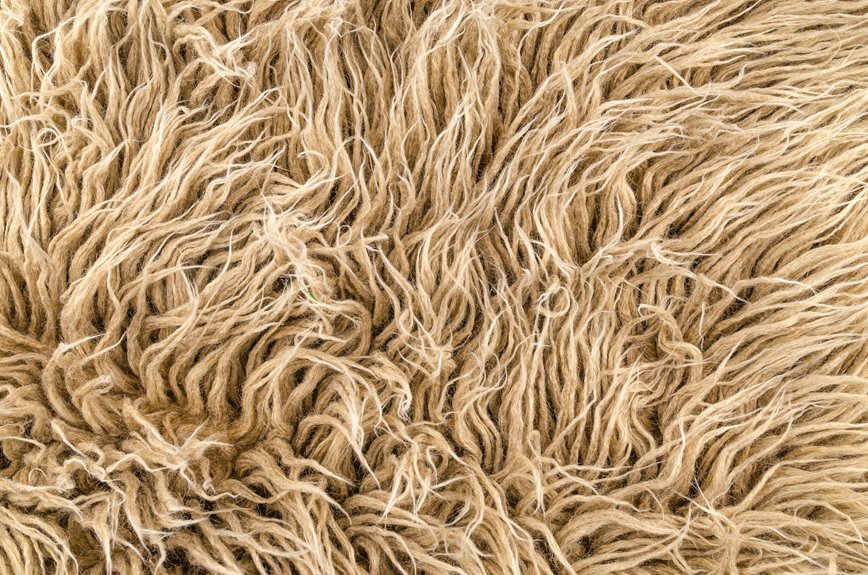
Needle-punched nonwoven fabric, like felt, forms when barbed needles mechanically entangle loose fibers into a dense, durable sheet without weaving. You’ll find it strong, flexible, breathable, and resistant to tearing, used in everything from insulation to automotive parts. Made from natural or synthetic fibers, it’s crafted by repeatedly punching fibers together for a tough yet adaptable material. If you want to understand its full potential and uses, there’s much more to explore.
Key Takeaways
- Needle-punched nonwoven fabric is made by mechanically bonding fibers through repeated needle punching with barbed needles.
- This process interlocks fibers to create a strong, durable, and flexible fabric thicker than other nonwovens.
- The fabric is dense yet breathable, resistant to tearing, stretching, and offers good insulation and sound absorption.
- Common materials include natural fibers like wool and synthetic fibers such as polyester and polypropylene.
- Needle-punched fabrics are used in automotive, filtration, geotextiles, apparel, and medical industries due to their versatility and durability.
Definition of Needle-Punched Nonwoven Fabric
Needle-punched nonwoven fabric is a type of textile made by mechanically bonding fibers through repeated needle punching.
You’ll find that this process involves driving barbed needles through layers of loose fibers, which entangles and locks them together without weaving or knitting. This method creates a strong, durable fabric that’s often thicker and more stable than other nonwovens.
You can use needle-punched fabrics in various applications, from industrial filters to geotextiles and even craft materials like felt.
Unlike woven textiles, these fabrics don’t rely on yarns but rather on fiber entanglement for strength.
When you handle needle-punched fabric, you’ll notice it has a unique texture and flexibility, making it suitable for many functional and creative uses.
History and Development of Needle-Punched Fabrics
Although nonwoven textiles have been around for centuries, the specific technique of mechanically bonding fibers through needle punching gained momentum in the mid-20th century.
You’ll find that early needle-punched fabrics emerged as a practical alternative to woven textiles, offering durability and versatility without complex weaving.
As industrial machinery advanced, manufacturers developed specialized needle-punching equipment, allowing faster production and consistent quality.
You can trace needle-punched fabric’s rise in industries like automotive, filtration, and geotextiles, where strength and breathability matter.
Over time, innovations in needle design and process control improved fabric density and performance.
Materials Used in Needle-Punched Nonwoven Fabrics
Choosing the right fibers directly affects the strength, texture, and functionality of needle-punched nonwoven fabrics. You’ll often find natural fibers like wool, which provide warmth and softness, or synthetic fibers such as polypropylene and polyester, known for durability and resistance to moisture. Sometimes, blends are used to balance qualities like strength and flexibility.
Here’s a quick comparison:
| Fiber Type | Key Features | Common Uses |
|---|---|---|
| Wool | Soft, insulating | Apparel, insulation |
| Polyester | Durable, moisture-resistant | Geotextiles, automotive |
| Polypropylene | Lightweight, chemical-resistant | Filtration, packaging |
Selecting the right material guarantees your fabric performs as needed for its application.
The Needle-Punching Manufacturing Process
The needle-punching manufacturing process transforms loose fibers into a cohesive fabric by mechanically entangling them with barbed needles.
First, you lay the fibers into a loose web either randomly or in a specific orientation. Then, this web passes through a needle loom, where hundreds of fine, barbed needles repeatedly punch through the fibers.
These barbs catch and push the fibers downward, interlocking them as the needles move up and down. By controlling needle density, depth, and speed, you adjust the fabric’s thickness and strength.
Once needle-punched, the fabric becomes denser and more durable without using adhesives or heat. Finally, you can finish the fabric by calendaring or coating to meet specific needs.
This process is efficient and adaptable for various fiber types.
Characteristics and Properties of Needle-Punched Fabrics
When you examine needle-punched fabrics, you’ll notice their unique combination of strength and flexibility.
These fabrics are dense yet breathable, thanks to the interlocking fibers created during needle punching. You’ll find they resist tearing and stretching, making them durable for various applications.
Their texture can range from smooth to rough, depending on the fiber types and punching intensity. Needle-punched fabrics also offer excellent insulation and sound absorption, which is why they’re used in automotive and construction industries.
Plus, they handle moisture well, often drying quickly without losing integrity. You’ll appreciate that these fabrics maintain stability under pressure and don’t easily deform.
Differences Between Needle-Punched and Other Nonwovens
You’ll notice needle-punched fabrics stand out because of their unique formation method, where fibers are mechanically entangled with barbed needles.
This process gives them greater durability and a distinct texture compared to other nonwovens made by bonding or weaving.
Understanding these differences helps you choose the right fabric for your needs.
Fabric Formation Methods
Although various nonwoven fabrics rely on different bonding techniques, needle-punched nonwovens stand out because they use mechanical entanglement rather than adhesives or thermal bonding.
When you look at fabric formation methods, needle punching involves repeatedly piercing a web of fibers with barbed needles to physically lock them together.
Other nonwovens often depend on chemical binders or heat to fuse fibers, which means you won’t see the same tactile density in those fabrics.
You’ll notice spunbond or meltblown nonwovens form by extruding and bonding fibers thermally or chemically, creating lighter, less textured fabrics.
Needle-punched fabrics give you a robust, felt-like material thanks to this unique mechanical process, offering a distinct structure and performance compared to other nonwoven formation methods.
Durability and Texture Differences
Because needle-punched nonwovens rely on mechanical entanglement, they offer greater durability and a denser texture compared to other nonwovens.
When you handle needle-punched fabric, you’ll notice it feels more substantial and resilient, thanks to the fibers being tightly interlocked by barbed needles.
Unlike spunbond or meltblown nonwovens, which depend on thermal or adhesive bonding, needle-punched fabrics resist abrasion and tearing better.
This makes them ideal for applications requiring toughness, like geotextiles or industrial filters.
Their texture also tends to be rougher and more fibrous, giving you a tactile experience similar to felt.
Common Applications Across Various Industries
Needle-punched nonwoven fabric plays an essential role in industries ranging from automotive to healthcare. When you choose this fabric, you tap into its strength, flexibility, and cost-effectiveness.
Needle-punched nonwoven fabric offers unmatched strength, flexibility, and cost savings across diverse industries.
You’ll find it used where durability and filtration matter most. For example:
- Automotive: sound insulation, interior linings, and trunk mats
- Healthcare: surgical gowns, masks, and wound dressings
- Agriculture: crop protection, weed control fabrics
- Home furnishings: mattress padding, upholstery backing
These fabrics offer you practical solutions that combine performance with ease of use.
Whether you need filtration efficiency or cushioning, needle-punched nonwoven fabrics deliver tailored properties that fit your specific application needs.
Environmental Impact and Sustainability Considerations
You’ll want to contemplate eco-friendly material options when choosing needle-punched nonwoven fabrics to reduce environmental impact.
Look for fabrics made from recycled fibers or biodegradable components to support sustainability.
Understanding how these materials break down or can be recycled helps you make smarter, greener choices.
Eco-Friendly Material Options
When choosing materials for nonwoven fabrics, considering eco-friendly options can considerably reduce environmental impact. You can opt for fibers that are renewable, biodegradable, or derived from recycled sources, helping conserve resources and lower pollution.
Here are four eco-friendly material options for needle-punched nonwoven fabrics:
- Organic cotton: Grown without harmful pesticides, reducing soil and water contamination.
- Bamboo fibers: Fast-growing and biodegradable, requiring less water than cotton.
- Recycled polyester: Made from post-consumer plastic bottles, diverting waste from landfills.
- Hemp fibers: Naturally pest-resistant and needing minimal water, hemp is highly sustainable.
Recycling and Biodegradability
Choosing eco-friendly fibers is just one step toward greener needle-punched nonwoven fabrics. You also need to evaluate how these fabrics can be recycled or biodegrade after use.
Many needle-punched fabrics are made from synthetic fibers, which can be challenging to recycle and may persist in landfills for years. However, if you opt for natural or biodegradable fibers like wool or hemp, these materials break down more easily, reducing environmental impact.
Recycling programs for nonwoven textiles are still developing, but you can support sustainability by choosing fabrics designed for reuse or composting. By understanding the recycling and biodegradability aspects, you’ll make smarter choices that minimize waste and promote a circular economy in the textile industry.
Advantages of Using Needle-Punched Nonwoven Fabric
Although needle-punched nonwoven fabric might seem similar to other textiles, it offers unique benefits that make it a smart choice for many applications.
When you choose this fabric, you get durability and versatility without sacrificing cost-effectiveness. You’ll appreciate how it performs in both industrial and consumer uses.
Here are some advantages you’ll find valuable:
- High strength and durability: Resists wear and tear better than many woven fabrics.
- Excellent filtration properties: Perfect for air, liquid, and dust filtration needs.
- Cost-efficient production: Manufactured quickly with minimal waste.
- Versatility: Suitable for automotive, construction, apparel, and medical industries.
Challenges and Limitations of Needle-Punched Fabrics
You’ll notice that needle-punched fabrics can face durability and wear challenges, especially under heavy use.
Production constraints may also limit design flexibility and increase costs.
Understanding these issues helps you make better choices for your applications.
Durability and Wear Issues
When you rely on needle-punched nonwoven fabrics, you’ll notice they sometimes struggle with durability and wear over time.
These fabrics can lose strength, especially under constant friction or heavy loads. If you use them in harsh environments, expect quicker degradation.
The fabric’s structure, made by entangling fibers mechanically, can also lead to issues like fiber shedding.
Here are key durability and wear concerns to keep in mind:
- Reduced tensile strength compared to woven fabrics
- Susceptibility to abrasion and pilling
- Limited resistance to moisture and chemicals
- Potential fiber migration causing surface fuzziness
Understanding these limitations helps you choose the right application and extend the fabric’s lifespan with proper care and handling.
Production Constraints
Because needle-punched nonwoven fabrics rely on mechanical entanglement rather than weaving, their production comes with specific challenges that can affect quality and consistency. You might face difficulties controlling fiber alignment and density, which leads to uneven texture or weak spots. Additionally, production speed is limited by the need for precise needle penetration, slowing down output. Environmental factors like humidity also impact fiber bonding.
Here’s a quick overview of these constraints to help you understand their impact:
| Challenge | Impact on Fabric | Your Concern |
|---|---|---|
| Fiber Alignment | Uneven texture | Reduced aesthetic appeal |
| Needle Speed Limits | Lower production rates | Higher costs |
| Environmental Effects | Variable bonding strength | Inconsistent durability |
Knowing these can help you make informed decisions during production.
Innovations and Future Trends in Needle-Punched Materials
As needle-punched nonwoven fabrics continue evolving, you’ll see remarkable innovations reshaping their applications and performance.
These advancements are making fabrics stronger, more sustainable, and adaptable to new industries. Here’s what you can expect:
- Incorporation of recycled fibers to reduce environmental impact
- Enhanced needle technology for finer, denser fabric structures
- Integration with smart textiles for wearable tech and sensors
- Development of biodegradable and compostable nonwovens
You’ll find these trends opening doors to medical, automotive, and fashion sectors like never before.
By staying updated, you can leverage these innovations to meet evolving market needs and sustainability goals effectively.
Needle-punched fabrics are no longer just basic materials—they’re becoming smart, eco-friendly solutions tailored to tomorrow’s challenges.
Frequently Asked Questions
How Do You Clean and Maintain Needle-Punched Nonwoven Fabric Products?
You might think cleaning needle-punched fabric’s tricky, but it’s not. You should gently vacuum or spot clean with mild soap and water. Avoid harsh chemicals or machine washing to keep fibers intact and durable over time.
Can Needle-Punched Fabrics Be Recycled or Repurposed at Home?
You can recycle or repurpose needle-punched fabrics at home by cutting them into patches, coasters, or craft materials. Just make sure to clean them first, and avoid mixing with other recyclables to keep them usable.
What Are the Safety Concerns When Working With Needle-Punched Nonwovens?
You should wear gloves and a mask to avoid irritation from fibers and dust. Also, guarantee proper ventilation since some needle-punched fabrics release small particles that can irritate your skin, eyes, or respiratory system.
How Do Needle-Punched Fabrics Compare in Cost to Woven Textiles?
You’ll find needle-punched fabrics cost a fraction of woven textiles, saving you a mountain of money. They’re cheaper to produce since they skip weaving, making them budget-friendly without sacrificing essential durability or functionality.
Are Needle-Punched Nonwoven Fabrics Hypoallergenic or Skin-Friendly?
You’ll find needle-punched nonwoven fabrics generally skin-friendly and hypoallergenic since they lack harsh chemicals and tight weaves. However, always check specific material content, as some blends might irritate sensitive skin or cause allergies.