
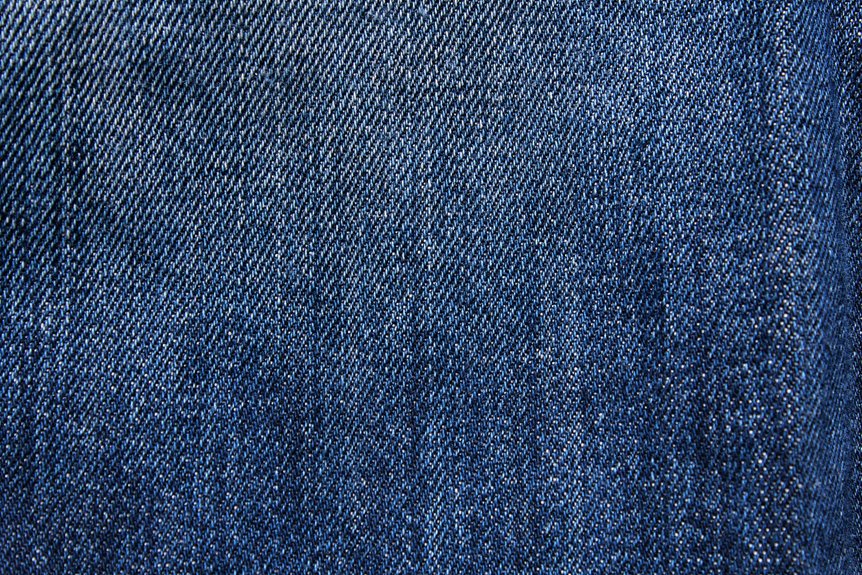
Micro scuba fabric combines the sleek stretch of neoprene with a lightweight, breathable feel, making it perfect for stylish yet comfortable clothing. It’s made from polyester and spandex, giving you excellent stretch, durability, and a smooth, soft texture. Unlike traditional neoprene, it’s lighter, more flexible, and better suited for fashion and activewear. You’ll also find it easy to care for and water-resistant. Keep exploring, and you’ll discover how this fabric balances performance with style.
Key Takeaways
- Micro scuba fabric is a lightweight, stretchy material combining polyester and spandex with a smooth, slightly spongy texture.
- It offers excellent stretch, recovery, breathability, and water resistance, making it comfortable and durable.
- The fabric is knitted and heat-pressed for a dense, wrinkle-resistant surface ideal for activewear and fashion.
- Compared to traditional neoprene, micro scuba is lighter, more flexible, and better suited for stylish apparel.
- Commonly used in dresses, sportswear, swimwear, and wetsuits, balancing performance with modern style.
Definition and Characteristics of Micro Scuba Fabric
Micro Scuba fabric combines the sleekness of neoprene with a lighter, stretchier feel that makes it popular in fashion and activewear.
Micro Scuba fabric blends neoprene’s sleekness with a lightweight, stretchy feel, perfect for fashion and activewear.
You’ll notice it has a smooth surface and a soft, slightly spongy texture that adds comfort without bulk. This fabric offers excellent stretch and recovery, so your clothes maintain their shape even after repeated wear.
It’s also breathable and water-resistant, allowing you to stay comfortable during physical activity or in damp conditions.
When you wear items made from Micro Scuba, you benefit from its wrinkle-resistant and durable nature, making it low-maintenance.
Its clean, structured look helps you achieve a modern, polished style without sacrificing flexibility or ease of movement.
Composition and Manufacturing Process
At its core, this fabric blends polyester and spandex fibers to achieve its signature stretch and durability. You’ll find the polyester provides strength and resistance to wear, while the spandex adds flexibility. The manufacturing process involves knitting these fibers into a thick, double-knit fabric that’s then heat-pressed to create a smooth, dense texture.
Here’s a breakdown of the composition and process:
| Component | Role | Process Stage |
|---|---|---|
| Polyester | Strength, durability | Fiber blending |
| Spandex | Elasticity, stretch | Knitting with polyester |
| Heat Pressing | Texture, density | Final finishing step |
This combination guarantees you get a fabric that’s both supportive and comfortable for various uses.
Differences Between Micro Scuba and Traditional Neoprene
Although both materials serve similar purposes, you’ll notice key differences between scuba fabric and traditional neoprene that affect their feel, flexibility, and durability.
Micro scuba fabric is lighter and smoother, offering a sleek texture that feels more like a thick jersey than rubbery neoprene. It stretches more easily, giving you greater freedom of movement, while traditional neoprene is denser and stiffer, providing superior insulation but less flexibility.
You’ll also find micro scuba fabric more breathable and less prone to retaining moisture, which helps prevent odor and discomfort.
On the durability front, traditional neoprene often resists abrasion better, but micro scuba fabric holds up well in everyday wear, especially in fashion contexts.
Understanding these differences helps you choose the right material for your specific needs.
Common Uses in Fashion and Sportswear
You’ll find micro scuba fabric in a wide range of fashion pieces, from sleek dresses to structured jackets.
Its stretch and durability make it a favorite for sportswear that needs to move with you.
Let’s explore how this fabric balances style and performance in your wardrobe.
Versatile Apparel Applications
Since Micro Scuba fabric combines stretch, durability, and a smooth finish, it fits perfectly into a wide range of fashion and sportswear applications.
You’ll find it in trendy dresses, skirts, and tops that hold their shape while offering comfort. Its sleek look makes it ideal for both casual and semi-formal outfits.
In sportswear, you can rely on Micro Scuba for leggings, jackets, and active tops that move with you without restricting motion.
It’s also popular for swimwear and wetsuits because it withstands moisture and dries quickly.
Whether you’re designing bold statement pieces or everyday essentials, Micro Scuba gives you the versatility to create stylish, functional apparel that performs well in various settings.
Performance Benefits in Sportswear
When you choose Micro Scuba fabric for sportswear, you benefit from its exceptional stretch and durability that support dynamic movement and long-lasting wear.
This fabric’s smooth texture feels comfortable against your skin, reducing irritation during intense workouts. Its moisture-wicking properties help keep you dry by drawing sweat away, so you stay comfortable throughout your activity.
Plus, Micro Scuba fabric holds its shape well, preventing sagging or bagging even after repeated use and washing. You’ll find it ideal for form-fitting activewear like leggings, tops, and jackets, as it provides both flexibility and support.
Whether you’re running, cycling, or practicing yoga, this fabric enhances your performance by combining comfort, resilience, and breathability in one versatile material.
Benefits of Wearing Micro Scuba Fabric
Although micro scuba fabric might look simple, it offers impressive benefits that enhance your comfort and style. You’ll enjoy its smooth texture and stretch, which allow freedom of movement without sacrificing shape. Plus, it’s resistant to wrinkles and easy to wear for both casual and formal occasions. Its thickness also provides a flattering silhouette, making you feel confident and polished throughout the day.
Here’s a quick look at what micro scuba fabric brings to your wardrobe:
| Benefit | How It Helps You |
|---|---|
| Stretch & Flexibility | Moves with your body comfortably |
| Wrinkle Resistance | Keeps you looking neat all day |
| Structured Look | Enhances your silhouette effortlessly |
Care and Maintenance Tips
To keep your micro scuba fabric looking its best, you’ll want to follow proper washing instructions and drying recommendations.
Storing it correctly is just as important to maintain its shape and texture.
Let’s go over the essential care and maintenance tips you should know.
Washing Instructions
Properly washing your micro scuba fabric guarantees it stays soft and durable over time.
Always turn the garment inside out to protect its smooth surface. Use cold water and a gentle cycle on your washing machine to prevent damage. Avoid harsh detergents; opt for mild, liquid ones instead. Skip bleach and fabric softeners, as they can break down the fabric’s fibers.
If you hand wash, gently agitate without wringing to maintain the fabric’s shape. Rinse thoroughly to remove all soap residues. Wash similar colors together to prevent dye transfer.
Following these steps helps preserve the fabric’s stretch and appearance, ensuring your micro scuba items look great and feel comfortable after every wash.
Drying Recommendations
When you finish washing your micro scuba fabric, you should avoid high heat during drying to maintain its shape and elasticity.
Instead, lay your garment flat on a clean, dry towel and let it air dry naturally. Avoid wringing or twisting the fabric, as this can cause distortion and damage its smooth texture.
If you need to speed up drying, place it in a well-ventilated area but keep it away from direct sunlight, which can fade the color and weaken the fibers.
Using a dryer on low heat is generally not recommended, since even mild heat can shrink or warp micro scuba fabric.
Following these drying tips will help keep your fabric looking fresh and durable for longer.
Storage Guidelines
After drying your micro scuba fabric carefully, how you store it plays a big role in preserving its shape and texture.
You should always fold the fabric gently rather than hanging it for long periods, as hanging can stretch the material and cause misshaping.
Store it in a cool, dry place away from direct sunlight to prevent fading and fabric breakdown.
Avoid placing heavy items on top of folded micro scuba, as pressure can create permanent creases.
If you’re storing garments, keep them in breathable garment bags to protect them from dust and moisture.
Regularly check your storage area for humidity and pests to maintain fabric quality.
Following these simple storage tips will help your micro scuba fabric stay fresh and durable longer.
Environmental Impact and Sustainability Considerations
Although micro scuba fabric offers impressive durability and stretch, you should consider its environmental impact before choosing it for your projects.
This fabric is typically made from synthetic fibers like polyester or nylon, which rely on fossil fuels and contribute to greenhouse gas emissions during production. Additionally, micro scuba fabric isn’t biodegradable, so it can persist in landfills for years if discarded improperly.
You can reduce your environmental footprint by opting for recycled versions of micro scuba fabric or seeking suppliers committed to sustainable practices.
Also, consider how long your finished product will last; the fabric’s durability means you won’t need frequent replacements, which helps minimize waste.
Balancing performance with eco-conscious choices guarantees your projects stay both stylish and responsible.
Popular Brands and Products Featuring Micro Scuba Fabric
Since micro scuba fabric combines comfort, stretch, and durability, many popular brands have embraced it in their collections.
If you’re looking for stylish yet functional pieces, check out brands like Aritzia, who use micro scuba in their sleek dresses and skirts. Lululemon incorporates this material into some of their athleisure wear, giving you both flexibility and a polished look.
You’ll also find micro scuba in pieces from Zara and H&M, where affordability meets trendy design. When you shop these brands, you get garments that hold their shape and resist wrinkles, perfect for both casual and professional settings.
Frequently Asked Questions
Can Micro Scuba Fabric Be Dyed at Home?
Dyeing delicate fabrics demands daring diligence. You can dye micro scuba fabric at home, but you’ll need fabric-specific dyes and careful color control. Test a tiny swatch first to avoid disappointing, drab results and guarantee vibrant vibrancy.
Does Micro Scuba Fabric Cause Allergies?
You likely won’t experience allergies from micro scuba fabric since it’s made from synthetic materials that are generally hypoallergenic. However, if you have sensitive skin, it’s best to test a small area before prolonged use.
How Does Micro Scuba Fabric Perform in Extreme Cold?
You won’t feel warmth, you won’t block wind, and you won’t stay dry in extreme cold with micro scuba fabric. It’s great for style and stretch but lacks insulation and moisture-wicking needed for harsh cold.
Is Micro Scuba Fabric Suitable for Upholstery?
You’ll find micro scuba fabric suitable for upholstery because it’s durable, stretchy, and resistant to wrinkles. It provides a sleek look and comfort, making it ideal for modern furniture that needs both style and functionality.
Can Micro Scuba Fabric Be Recycled Easily?
You won’t find micro scuba fabric easy to recycle since it’s a blend of synthetic fibers. Recycling facilities often lack the means to separate these materials, so you’ll likely need to explore specialized recycling options.