
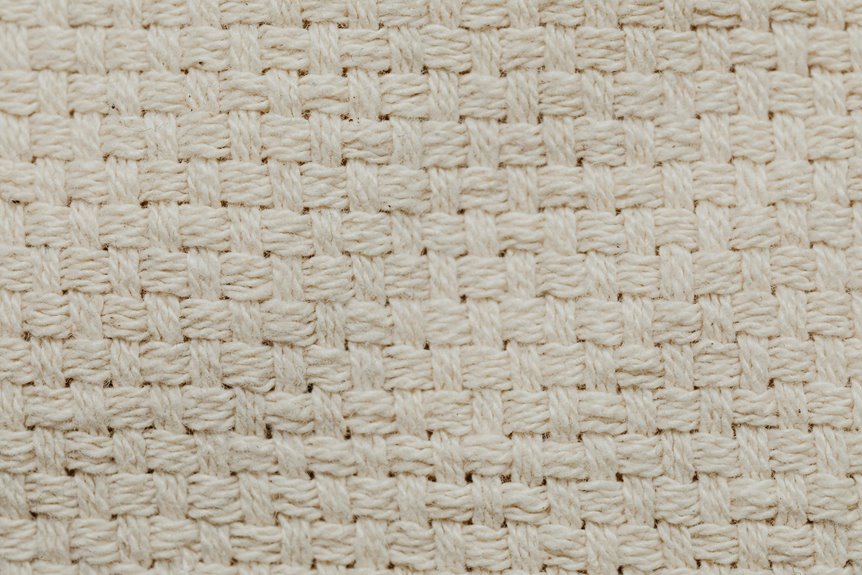
Gabardine is made from tightly woven fibers like wool, cotton, or synthetic blends, all structured with a signature twill weave that gives it strength and style. Wool gabardine offers warmth and wrinkle resistance, while cotton keeps things lighter and breathable. Synthetic fibers add durability and water resistance. Blends combine these perks, making gabardine versatile and long-lasting. If you want to understand how each fiber affects gabardine’s look, feel, and purpose, you’re on the right track.
Key Takeaways
- Gabardine is primarily made from wool, valued for its durability, breathability, and wrinkle resistance.
- Cotton-based gabardine offers a lighter, breathable option ideal for warm climates and summer wear.
- Synthetic fibers like polyester or nylon are used to enhance gabardine’s durability, wrinkle resistance, and water repellency.
- Blended fibers combine wool, cotton, polyester, nylon, or spandex to improve comfort, durability, and moisture management.
- The fabric’s characteristic twill weave creates a tight diagonal rib pattern that boosts strength and gives gabardine its smooth, wrinkle-resistant surface.
Wool Fibers in Gabardine
Although gabardine can be made from various fibers, wool remains the most popular choice due to its durability and natural breathability.
When you wear wool gabardine, you benefit from a fabric that resists wrinkles and drapes neatly, making it ideal for tailored garments like suits and coats.
Wool fibers lock in warmth without trapping moisture, so you stay comfortable in changing temperatures. You’ll also notice that wool gabardine holds dye well, resulting in rich, long-lasting colors.
Plus, its tightly woven twill structure enhances the fabric’s strength, helping it withstand daily wear and tear.
Cotton-Based Gabardine Fabrics
Cotton-based gabardine offers a lighter, breathable alternative to its wool counterpart, making it perfect for warmer climates and casual wear.
When you choose cotton gabardine, you get a fabric that’s smooth, tightly woven, and durable, thanks to its distinctive twill weave. This structure helps resist wrinkles and maintains a sharp appearance throughout the day.
You’ll find cotton gabardine used in lightweight jackets, trousers, and even dresses—ideal for spring and summer wardrobes. Plus, its natural fiber content means it feels soft against your skin while allowing air circulation, keeping you comfortable.
If you want a versatile fabric that combines practicality with a polished look, cotton-based gabardine is a smart choice, especially when you need something less heavy than wool but still reliable.
Synthetic Fibers and Gabardine
While cotton gabardine suits warmer weather with its breathability and softness, synthetic fibers bring a different set of benefits to the fabric.
When you choose gabardine made from synthetic fibers like polyester or nylon, you get:
- Enhanced durability that resists wear and tear
- Improved wrinkle resistance, keeping your garments crisp
- Water and stain repellency for easier maintenance
- Greater color retention, so your gabardine stays vibrant longer
These qualities make synthetic gabardine ideal for outerwear and uniforms where toughness and low upkeep matter most.
You’ll find it holds its shape better over time and dries quickly after washing.
Blended Fibers for Enhanced Gabardine
You’ll often find gabardine made from blended fibers like wool and polyester, which combine the best traits of each material.
Blending fibers boosts durability, comfort, and wrinkle resistance, making the fabric more versatile.
Let’s explore how these combinations enhance gabardine’s performance and appeal.
Common Fiber Combinations
Because gabardine’s durability and texture depend heavily on its fibers, manufacturers often blend different materials to enhance its performance.
When choosing gabardine, you’ll find some common fiber combinations that balance strength, comfort, and appearance:
- Wool and Polyester – Adds wrinkle resistance while keeping warmth and softness.
- Cotton and Polyester – Creates a breathable yet durable fabric, perfect for lighter garments.
- Wool and Nylon – Boosts abrasion resistance, ideal for outerwear that faces wear and tear.
- Cotton and Spandex – Offers stretch for better fit and comfort without losing structure.
These blends give you versatile gabardine fabrics suited for everything from suits to casual wear, maximizing the best qualities of each fiber.
Benefits of Blending
Although pure fibers have their merits, blending them creates gabardine fabrics that perform better in many ways.
When you choose blended gabardine, you get the best of both worlds—the durability and wrinkle resistance of synthetic fibers combined with the breathability and comfort of natural ones. This mix enhances gabardine’s strength, making it less prone to wear and tear.
You’ll also notice improved moisture management, keeping you dry and comfortable throughout the day. Plus, blending often reduces the cost, giving you quality fabric at a better price.
The fabric becomes easier to care for, resisting shrinking and fading. So, if you want a versatile, long-lasting gabardine that fits your lifestyle, opting for blended fibers is a smart choice.
The Role of Twill Weave in Gabardine
When you examine gabardine closely, you’ll notice that its distinctive durability and smooth texture come from the twill weave technique.
This weave creates a diagonal rib pattern, giving gabardine its signature look and feel. The twill weave plays a vital role by:
The diagonal rib pattern from the twill weave defines gabardine’s unique appearance and texture.
- Interlacing fibers tightly for enhanced strength
- Producing a smooth surface that repels wrinkles
- Allowing flexibility while maintaining fabric structure
- Offering a subtle sheen that elevates gabardine’s appearance
Gabardine’s Durability and Fiber Composition
The twill weave gives gabardine its strength and smoothness, but the fabric’s durability also depends heavily on the fibers used. You’ll find gabardine made from wool, cotton, polyester, or blends, each affecting wear and care. Wool gabardine offers natural resilience and wrinkle resistance, while cotton variants are breathable but less durable. Polyester blends boost strength and reduce shrinkage, making them ideal for everyday use. Understanding fiber types helps you choose gabardine that fits your lifestyle.
| Fiber Type | Durability | Care Tips |
|---|---|---|
| Wool | High | Dry clean preferred |
| Cotton | Moderate | Machine washable |
| Polyester | Very High | Easy care, durable |
| Wool Blend | High | Follow wool care |
| Cotton Blend | Moderate to High | Check blend details |
Textural Differences Among Gabardine Fibers
Since gabardine can be made from various fibers, you’ll notice distinct textural differences that affect both feel and appearance.
When you touch wool gabardine, expect a warm, slightly coarse texture that’s perfect for cooler climates.
Cotton gabardine feels smoother and lighter, giving you breathable comfort.
Polyester versions offer a slick, synthetic feel with more sheen, ideal for wrinkle resistance.
Finally, silk gabardine feels luxuriously soft and smooth but delicate.
Here’s a quick look:
- Wool: coarse, warm, matte finish
- Cotton: smooth, breathable, matte to slight sheen
- Polyester: slick, shiny, synthetic texture
- Silk: soft, smooth, delicate sheen
Applications of Various Gabardine Materials
Many designers and tailors rely on gabardine’s versatile composition to suit different needs.
If you choose wool gabardine, you’ll find it perfect for tailored suits and formal wear due to its durability and smooth finish.
Cotton gabardine, on the other hand, works great for casual jackets and trousers, offering breathability and comfort.
When you select polyester blends, you get wrinkle resistance and easy care, ideal for uniforms or workwear.
Silk gabardine adds a luxurious sheen, making it a go-to for elegant dresses and high-end fashion pieces.
No matter which fiber you pick, gabardine’s tight twill weave guarantees a sturdy, weather-resistant fabric that adapts well across seasons and styles, giving you plenty of options to create versatile, lasting garments.
Frequently Asked Questions
How Did Gabardine Fabric Get Its Name?
You’ll find gabardine gets its name from Thomas Burberry, who invented the fabric. He called it “gabardine” after a Spanish term for a sturdy outer garment, reflecting its durable, weather-resistant qualities.
Who Invented Gabardine Fabric?
You’ll find that Thomas Burberry invented gabardine fabric in the late 19th century. He designed it as a durable, water-resistant material perfect for outerwear, revolutionizing fashion with this innovative twill weave fabric.
What Is the History of Gabardine in Fashion?
You’ll find gabardine’s history in fashion dates back to the late 1800s when Thomas Burberry invented it. It quickly became popular for durable, stylish outerwear, especially trench coats, blending function with timeless elegance.
How Should Gabardine Garments Be Properly Cared For?
Think of gabardine as a trusty trench coat in a rainstorm—durable but needing care. You’ll want to dry clean it or gently hand wash cold, then air dry to keep its sharp, smooth finish intact.
Is Gabardine Environmentally Friendly or Sustainable?
You might find gabardine’s sustainability depends on its fiber source. Natural fibers can be eco-friendly if grown responsibly, but synthetic versions aren’t ideal. So, always check the material and production methods before deciding.