
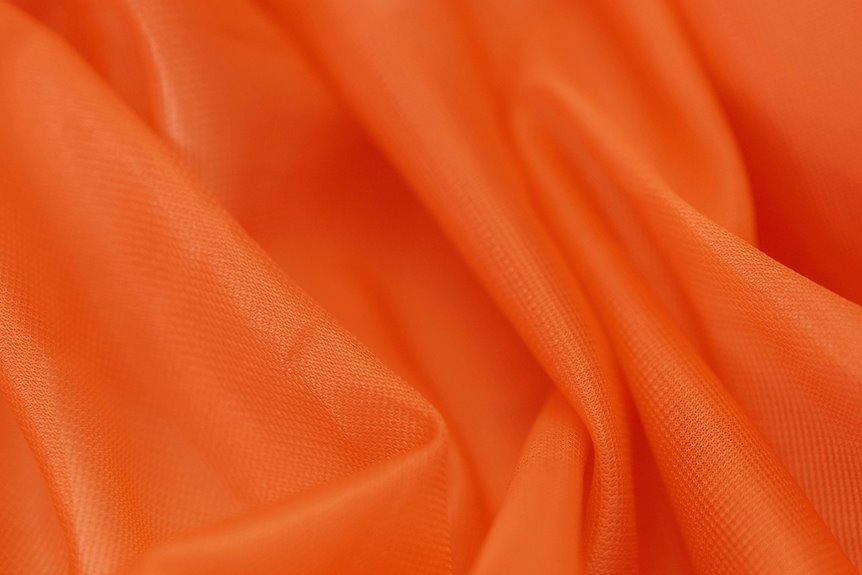
Carded nonwoven fabric is a soft, breathable textile made by mechanically aligning and entangling fibers through a carding process. You’ll find it lightweight yet durable, with excellent strength and absorbency, perfect for comfort-focused uses. It often blends natural and synthetic fibers to balance softness and durability. This fabric’s flexibility lets you easily cut or shape it without fraying. If you want to understand how it’s made and how it compares to other types, there’s much more to explore.
Key Takeaways
- Carded nonwoven fabric is made by mechanically entangling fibers using a carding process for uniform alignment and strength.
- It is lightweight, breathable, soft, and durable, providing comfort and flexibility without fraying.
- The fabric can be produced from natural, synthetic, or blended fibers to meet various application needs.
- Compared to spunbond fabrics, carded nonwovens offer better softness and breathability but slightly lower tensile strength.
- Quality control includes testing for tensile strength, thickness, weight, and air permeability to ensure consistent performance.
Definition and Characteristics of Carded Nonwoven Fabric
Carded nonwoven fabric is a type of textile made by mechanically entangling fibers through a carding process that aligns and cleans them.
When you choose carded nonwoven fabric, you’re getting a material that’s lightweight yet durable, with a soft texture that feels comfortable against the skin. It’s breathable and offers good absorbency, making it ideal for various applications.
You’ll notice it has a somewhat open structure, which helps with airflow but still provides strength. The fabric is also flexible, so you can easily cut or shape it without fraying.
Its open structure enhances airflow while maintaining strength, and its flexibility allows easy cutting without fraying.
Because it’s made from fibers laid in a random or cross-laid pattern, the fabric offers uniformity and consistency. This versatility allows you to use it in hygiene products, upholstery, and even filtration.
The Carding Process: How Carded Nonwoven Fabric Is Made
You’ll start the carding process by aligning fibers carefully to guarantee uniformity.
Next, the fibers form a web through a series of steps that prepare them for bonding.
Understanding these techniques helps you see how carded nonwoven fabric gets its strength and texture.
Fiber Alignment Techniques
While preparing fibers for nonwoven fabric, aligning them properly is essential for strength and uniformity. You’ll want to guarantee fibers orient in a controlled manner to create a consistent web.
Here are three common fiber alignment techniques used during carding:
- Parallel Alignment: Fibers are aligned mostly in one direction, boosting tensile strength along that axis.
- Cross-Lapping: Layers of fibers are deposited at alternating angles, enhancing multidirectional strength.
- Random Orientation: Fibers are dispersed without a specific pattern, creating isotropic properties for flexibility.
Each technique affects the fabric’s final performance, so you choose based on the intended use.
Proper alignment guarantees the carded nonwoven fabric holds together well and delivers the durability you need.
Web Formation Steps
The carding process involves several key steps that transform loose fibers into a cohesive web ready for fabric production.
First, you feed the fibers into the carding machine, where rotating drums equipped with fine wire teeth separate and align them uniformly. As the fibers pass through these drums, they form a thin, continuous web.
Next, the web moves onto a conveyor belt or drum, maintaining its alignment and preventing clumping. You often add a light bonding agent or use mechanical entanglement to give the web initial strength.
Finally, the web is collected as a roll or layered for further processing. Each step guarantees the fibers stay evenly distributed, setting the foundation for high-quality, consistent carded nonwoven fabric.
Types of Fibers Used in Carded Nonwoven Fabrics
Fibers form the backbone of carded nonwoven fabrics, determining their strength, texture, and application. When you choose fibers, you’ll find three primary types commonly used:
- Natural Fibers – Cotton and wool offer softness and breathability, ideal for comfort-focused products.
- Synthetic Fibers – Polypropylene, polyester, and nylon provide durability, resistance to moisture, and cost-effectiveness.
- Blended Fibers – Combining natural and synthetic fibers balances strength and comfort, expanding the fabric’s versatility.
Each fiber type impacts the final product’s performance, whether you want absorbency, durability, or softness.
Understanding these fiber options helps you select the right carded nonwoven fabric tailored to your specific needs.
Physical Properties of Carded Nonwoven Fabrics
When you work with carded nonwoven fabrics, you’ll notice their impressive strength and durability that stand up to various uses.
You’ll also appreciate their breathability and texture, which make them comfortable for many applications.
Plus, their flexibility and softness add to their versatility, allowing you to use them in different products.
Strength and Durability
Strength and durability define how well carded nonwoven fabrics perform under stress and repeated use. When you rely on these fabrics, you want to know they’ll hold up without tearing or losing integrity.
Here’s what influences their strength and durability:
- Fiber Type: Synthetic fibers like polypropylene boost tensile strength, making the fabric tougher.
- Bonding Method: Thermal or chemical bonding enhances fabric cohesion, improving resistance to wear.
- Fabric Weight: Heavier fabrics generally resist damage better, providing longer-lasting performance.
Breathability and Texture
Many carded nonwoven fabrics offer excellent breathability, which is essential if you want materials that keep air flowing while maintaining comfort.
Because of their loosely bonded fibers and open structure, these fabrics allow air to pass through easily, preventing heat and moisture buildup. This makes them ideal for applications like medical masks, hygiene products, and certain apparel where ventilation matters.
When you touch carded nonwoven fabric, you’ll notice a distinct texture—often slightly rough or fibrous due to the carding process aligning fibers in a somewhat random yet consistent manner.
This texture contributes to the fabric’s functionality, helping with filtration and absorption without completely sacrificing airflow.
Flexibility and Softness
While carded nonwoven fabrics provide breathability and a distinctive texture, their flexibility and softness also play a big role in how they perform.
When you work with these fabrics, you’ll notice they adapt easily to different shapes and movements, making them ideal for comfort-focused applications. Here’s why:
- Fiber arrangement: The random orientation of fibers allows the fabric to bend and stretch without losing integrity.
- Lightweight structure: This reduces stiffness, so the material feels gentle against the skin.
- Binder usage: Controlled application of binders maintains softness while enhancing flexibility.
Comparison Between Carded and Spunbond Nonwoven Fabrics
Choosing between carded and spunbond nonwoven fabrics depends largely on your specific application needs, as each offers distinct properties and benefits.
Carded nonwovens are made by mechanically entangling fibers, giving you a fabric that’s softer and more breathable. This makes them ideal when comfort and flexibility matter most.
On the other hand, spunbond nonwovens are produced by bonding continuous filaments, resulting in a stronger, more durable fabric. If you need higher tensile strength and better resistance to wear, spunbond is often the better choice.
Additionally, spunbond fabrics typically have a smoother surface and more uniform structure, which can be important for certain technical uses.
Common Applications of Carded Nonwoven Fabric
Because carded nonwoven fabrics combine softness with breathability, you’ll find them widely used in products where comfort is key. They’re perfect when you need materials that feel gentle on the skin while still allowing air flow.
You’ll often encounter carded nonwovens in:
- Hygiene products – like baby wipes and feminine hygiene items, where softness and absorbency matter.
- Medical supplies – such as surgical gowns and face masks that require breathability and comfort during long wear.
- Home textiles – including mattress covers and upholstery liners that benefit from their durability and gentle texture.
When you choose carded nonwoven fabric, you’re opting for materials tailored to meet practical needs without sacrificing comfort.
Advantages of Using Carded Nonwoven Fabric
You’ll find carded nonwoven fabric offers enhanced durability and strength that stand up to tough use.
It’s also cost-effective to produce, saving you money without sacrificing quality.
Plus, its versatility opens up a wide range of application opportunities to fit your needs.
Enhanced Durability and Strength
While carded nonwoven fabric might seem lightweight, it delivers impressive durability and strength that stand up to demanding applications. You’ll find that its resilience makes it a reliable choice across various industries. Here’s why:
- Fiber Interlocking: The carding process aligns and entangles fibers, creating a strong, cohesive web that resists tearing and deformation.
- Enhanced Thickness: Controlled layering during manufacturing adds thickness, boosting overall fabric strength without sacrificing flexibility.
- Consistent Quality: Uniform fiber distribution guarantees even strength throughout the fabric, preventing weak spots and extending product lifespan.
Cost-Effective Production Benefits
Although carded nonwoven fabric offers impressive durability, its true appeal lies in cost-effective production. You’ll find that the manufacturing process uses less energy and fewer raw materials compared to woven fabrics, which helps keep costs down.
The carding method allows quick fiber alignment and bonding, speeding up production without sacrificing quality. Plus, since it doesn’t require complex weaving or knitting machinery, you save on equipment expenses and maintenance.
This efficiency translates into lower prices for you, whether you’re sourcing for industrial use or consumer products. Additionally, the ability to produce large volumes rapidly means you can meet demand spikes without breaking the bank.
In short, choosing carded nonwoven fabric helps you balance performance with affordability, making it a smart investment.
Versatile Application Opportunities
The versatility of carded nonwoven fabric makes it a go-to choice across numerous industries.
You’ll find it easily adapts to different needs, making your projects more efficient and reliable. Here’s why you might consider using it:
- Healthcare: You can use it for disposable gowns, masks, and wipes because it’s breathable and hygienic.
- Automotive: It provides sound insulation and filtration without adding much weight, improving vehicle comfort and efficiency.
- Home Furnishings: It’s perfect for mattress covers, upholstery backing, and cleaning cloths, offering durability and softness.
Environmental Impact and Sustainability of Carded Nonwovens
Because carded nonwoven fabrics often serve single-use purposes, you might worry about their environmental footprint. These fabrics are typically made from synthetic fibers like polypropylene, which don’t biodegrade easily.
However, manufacturers are increasingly adopting recycled materials and developing biodegradable options to reduce environmental impact. You can also look for carded nonwovens certified for sustainability standards, ensuring responsible production.
Plus, their lightweight nature means less energy is used during transportation compared to heavier textiles. When you choose carded nonwoven fabrics thoughtfully, you support efforts to minimize waste and pollution.
Still, proper disposal or recycling is essential to prevent them from ending up in landfills or oceans. By staying informed and opting for eco-friendly versions, you can help make carded nonwovens a more sustainable choice.
Quality Control and Testing Methods for Carded Nonwoven Fabric
When you work with carded nonwoven fabric, ensuring consistent quality means relying on rigorous testing methods.
You’ll want to focus on these key areas to maintain fabric integrity and performance:
- Tensile Strength Test: Measures the fabric’s resistance to breaking under tension, ensuring durability for its intended use.
- Thickness and Weight Measurement: Confirms uniformity across batches, which affects feel and functionality.
- Air Permeability Test: Assesses breathability, essential for applications like medical or hygiene products.
Innovations and Trends in Carded Nonwoven Fabric Production
As you explore advancements in carded nonwoven fabric production, you’ll find that new technologies and sustainable practices are reshaping the industry. You can expect innovations like bio-based fibers, energy-efficient machinery, and enhanced bonding techniques to improve fabric performance while lowering environmental impact. Staying updated helps you make informed choices for your applications.
| Innovation | Benefit | Application |
|---|---|---|
| Bio-based Fibers | Renewable, eco-friendly | Medical, hygiene |
| Energy-efficient Machines | Lower costs, less waste | Mass production |
| Advanced Bonding | Stronger, flexible fabric | Automotive, filtration |
Challenges in Manufacturing Carded Nonwoven Fabric
While innovations have boosted carded nonwoven fabric production, manufacturers still face significant hurdles.
You need to manage fiber uniformity carefully; inconsistent fibers can weaken the fabric’s strength and appearance.
Controlling production speed is another challenge, as pushing machines too fast often compromises fabric quality.
Finally, maintaining cost efficiency while using high-quality raw materials demands constant attention.
Here are three primary challenges you’ll encounter:
- Ensuring consistent fiber alignment to maintain fabric integrity.
- Balancing machine speed with quality control measures.
- Reducing waste and managing raw material costs without sacrificing performance.
Future Prospects for Carded Nonwoven Fabrics in Various Industries
Although carded nonwoven fabrics face manufacturing challenges, their future looks promising across multiple industries.
Carded nonwoven fabrics have challenges but hold great promise in diverse industries ahead.
You’ll find these fabrics gaining traction in healthcare, where their softness and breathability make them ideal for surgical gowns and masks.
In automotive sectors, they’re used for lightweight insulation and interior linings, helping improve fuel efficiency.
You can also see them in agriculture, protecting crops while allowing air and moisture flow.
As sustainability becomes a priority, you’ll appreciate that carded nonwovens often incorporate recycled fibers, appealing to eco-conscious consumers.
Advances in technology will let you expect even better durability and performance.
Frequently Asked Questions
How Do Carded Nonwoven Fabrics Compare in Cost to Woven Fabrics?
You’ll find carded nonwoven fabrics generally cost less than woven fabrics because they use simpler production processes. They’re quicker to make, saving you money, though woven fabrics often offer greater durability for higher prices.
Can Carded Nonwoven Fabrics Be Dyed or Printed on Easily?
You can dye or print on carded nonwoven fabrics easily since their porous structure absorbs colors well. Just choose compatible dyes and printing methods to guarantee vibrant, long-lasting results for your project or product.
What Are the Storage Requirements for Carded Nonwoven Fabrics?
You might think storing carded nonwoven fabrics is simple, but you’ll want to keep them dry, away from direct sunlight, and in a cool, ventilated space to maintain their quality and prevent damage or discoloration over time.
Are Carded Nonwoven Fabrics Safe for Direct Skin Contact?
You’ll find carded nonwoven fabrics generally safe for direct skin contact since they’re soft and breathable. Just make sure they’re free from harmful chemicals or treatments to avoid irritation or allergic reactions on sensitive skin.
How Long Do Carded Nonwoven Fabrics Typically Last in Use?
You’ll find carded nonwoven fabrics typically last from a few weeks up to several months, depending on use and care. They’re durable but not designed for long-term, heavy-duty applications like woven textiles.