
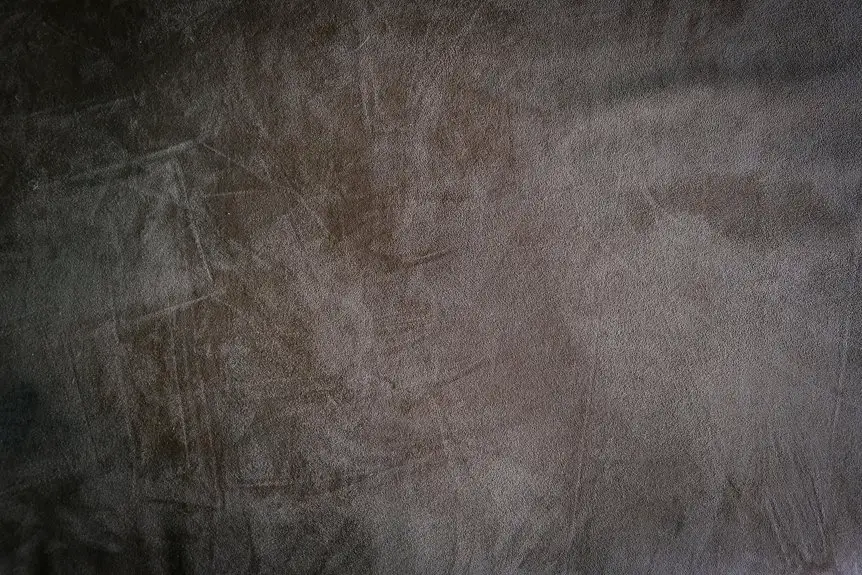
Calf suede fabric comes from the inner layer of young calf hides, giving you a soft, velvety texture that’s finer and more luxurious than other suedes. It’s strong yet flexible, breathes well, and ages beautifully with a subtle patina. You’ll find it in quality shoes, accessories, and home decor. Calf suede needs gentle care to keep its look and feel longer. If you want to understand its unique qualities and uses better, there’s much more to explore.
Key Takeaways
- Calf suede fabric is made from the inner layer of young calf hides, resulting in a soft, fine-grain texture.
- It features a velvety, luxurious feel with excellent breathability and surprising durability.
- Calf suede has a natural matte finish that develops a subtle patina over time.
- It is more delicate and softer compared to suede from adult cowhide or pigskin.
- Commonly used in fashion items like footwear, jackets, and accessories, as well as home decor for upholstery and decorative accents.
Origin and Production of Calf Suede
Although calf suede is prized for its softness and durability, few people know exactly where it comes from or how it’s made.
You’ll find that calf suede originates from the hides of young calves, which offer a finer grain compared to adult cowhide.
The production process starts by carefully selecting these hides, ensuring they’re free from imperfections. The hides are then split to isolate the inner layer, which is responsible for suede’s characteristic texture.
Next, the leather undergoes a buffing or sanding treatment to raise the nap, giving you that soft, velvety feel.
Skilled tanners also apply dyes and finishes to enhance both appearance and longevity.
Characteristics of Calf Suede Fabric
Calf suede fabric stands out for its unique combination of softness, flexibility, and strength. When you touch it, you’ll notice its velvety texture, which feels luxurious against your skin.
This fabric also offers excellent breathability, making it comfortable to wear in various climates. Despite its delicate appearance, calf suede is surprisingly durable and resists wear better than many other suede types.
Plus, it has a natural matte finish that adds understated elegance to any garment or accessory. You’ll also appreciate its ability to develop a subtle patina over time, enhancing its character without compromising quality.
Differences Between Calf Suede and Other Suede Types
When you compare calf suede to other suede types, you’ll notice it offers a finer grain and softer feel due to its origin from younger animals. This makes calf suede more delicate and luxurious than suedes made from adult cowhide or split leather, which tend to be coarser and less supple.
Unlike pig suede, which has a rougher texture, calf suede feels smooth and elegant to the touch. Additionally, calf suede generally has better durability and a more uniform nap, giving it a consistent appearance.
You’ll also find calf suede is easier to dye evenly, resulting in richer colors. These differences make calf suede stand out when you want a high-quality, refined suede fabric for your projects or wardrobe.
Common Uses of Calf Suede in Fashion
You’ll find calf suede frequently used in stylish footwear, offering both comfort and durability.
It’s also popular in apparel, like jackets and skirts, adding a soft, luxurious touch.
Don’t forget accessories—bags and gloves made from calf suede bring elegance to any outfit.
Footwear Applications
Many designers turn to suede made from young cattle hides to craft stylish and durable footwear. When you choose calf suede shoes, you get a soft texture that’s breathable yet sturdy, perfect for both casual and formal looks. You’ll often find it in boots, loafers, and sneakers, where its unique nap adds depth and charm. Caring for calf suede requires some attention, but it’s worth it for that luxe feel underfoot.
| Footwear Type | Features | Best For |
|---|---|---|
| Boots | Durable, warm | Fall and winter wear |
| Loafers | Soft, flexible | Office and casual outings |
| Sneakers | Lightweight, stylish | Everyday casual wear |
| Oxfords | Polished, elegant | Formal occasions |
| Slip-ons | Easy to wear, breathable | Quick errands or travel |
Apparel and Accessories
Beyond footwear, calf suede plays a versatile role in apparel and accessories, adding a touch of sophistication and softness to your wardrobe.
You’ll find it in pieces that elevate everyday style while remaining comfortable and durable. When you choose calf suede, you’re opting for a material that blends luxury with practicality.
Common uses include:
- Jackets that offer warmth and a plush feel
- Handbags with a rich texture and elegant look
- Gloves that provide softness and flexibility
- Hats designed for both style and comfort
- Belts that add a refined finish to your outfit
Applications of Calf Suede in Home Decor
Although calf suede might seem delicate, it’s surprisingly versatile for home decor. You can use it to add a touch of elegance and softness to your living spaces.
Think about upholstering chairs, sofas, or ottomans with calf suede; its smooth texture creates a cozy, inviting atmosphere. You’ll also find it excellent for decorative pillows and throws, giving your room a luxurious feel without overwhelming the design.
Upholster furniture or add pillows in calf suede for a cozy, luxurious touch that enhances any room.
Calf suede works well on lampshades or wall panels, adding subtle warmth and depth. Plus, its natural look complements both modern and classic interiors.
When you choose calf suede, you’re not just picking a fabric—you’re enhancing your home’s style with a unique, tactile element that’s both sophisticated and comfortable.
Advantages of Choosing Calf Suede
When you choose calf suede, you get a fabric that combines softness with durability, making it ideal for both everyday use and special occasions.
You’ll appreciate how it elevates your style while standing up to wear and tear. Its unique texture adds warmth and sophistication to any item, from clothing to accessories.
Here are key advantages of choosing calf suede:
- Luxuriously soft feel that’s comfortable against your skin
- Strong and long-lasting, resisting damage better than many fabrics
- Breathable, keeping you cool and comfortable
- Versatile in design, complementing casual and formal looks
- Ages beautifully, developing a rich patina over time
Calf suede truly offers a perfect blend of elegance and practicality for your wardrobe and home.
How to Identify Genuine Calf Suede
You’ll want to pay close attention to the texture and softness when identifying genuine calf suede.
Take note of its fine, smooth feel and subtle nap that sets it apart from synthetic alternatives.
Also, trust your senses—real calf suede has a distinct natural smell and a matte finish that’s hard to fake.
Texture and Softness
Since calf suede is prized for its delicate feel, recognizing its texture and softness is key to identifying genuine material. When you touch authentic calf suede, you’ll notice a unique softness that synthetic alternatives can’t replicate. The surface feels velvety but not slippery, with a subtle nap that changes when you brush it.
Genuine calf suede offers a supple yet firm texture, signaling high-quality leather beneath. To help you distinguish real calf suede, focus on these traits:
- Smooth, fine grain with a slight fuzz
- Softness that warms under your touch
- Consistent texture without plastic-like slickness
- Gentle resistance when you press your finger
- Subtle nap direction shifting with movement
Keep these in mind, and you’ll confidently spot genuine calf suede by feel alone.
Visual and Smell Cues
Anyone trying to identify genuine calf suede should pay close attention to its visual details and scent. You’ll notice the fabric has a soft, velvety nap with a consistent grain pattern that doesn’t look artificial. When you run your hand over it, the fibers shift smoothly without leaving obvious marks. The smell is subtle but distinct—natural leather, slightly earthy, never chemical or plastic-like.
Here’s a quick guide to help you spot authentic calf suede:
| Feature | Genuine Calf Suede | Fake/Imitation Suede |
|---|---|---|
| Visual Grain | Fine, uniform, natural | Repetitive or synthetic pattern |
| Texture | Smooth nap, soft but firm | Rough, uneven, or too soft |
| Scent | Mild, leather-like, earthy | Chemical or plastic smell |
Cleaning and Maintenance Tips for Calf Suede
Although calf suede is known for its soft texture and durability, it requires careful cleaning and maintenance to keep it looking its best. You’ll want to handle it gently and avoid harsh chemicals to preserve its delicate nap.
Here are some essential tips:
- Use a suede brush regularly to remove dirt and restore texture.
- Blot stains immediately with a clean, dry cloth—never rub.
- Apply a suede protector spray before first use and periodically after.
- Avoid water exposure; if it gets wet, let it air dry naturally.
- Store in a cool, dry place away from direct sunlight to prevent fading.
Following these steps will help you maintain the luxurious look and feel of your calf suede items for years to come.
Environmental Impact of Calf Suede Production
Keeping your calf suede in great condition involves more than just proper cleaning; it’s also important to contemplate how its production affects the environment. Producing calf suede requires raising calves, which contributes to land use, water consumption, and greenhouse gas emissions.
Additionally, the tanning process often involves chemicals that can pollute water sources if not managed responsibly. When you choose calf suede, consider whether the manufacturer uses eco-friendly tanning methods or sources hides from sustainable farms.
Trends and Innovations in Calf Suede Fabric
You’ll find that sustainable production methods are reshaping how calf suede fabric is made, reducing its environmental footprint.
New technologies are enhancing the durability and texture of the material.
Let’s explore how these trends are changing the industry.
Sustainable Production Methods
As consumers demand eco-friendly products, manufacturers have embraced sustainable production methods for calf suede fabric.
You’ll notice that these practices not only reduce environmental impact but also maintain the quality and softness you expect.
By choosing sustainably produced calf suede, you support a cleaner, greener industry.
Here are some key sustainable methods used:
- Utilizing leather from ethically raised calves
- Employing vegetable tanning instead of chrome tanning
- Recycling water during the tanning process
- Using biodegradable dyes and finishes
- Implementing energy-efficient machinery in production
Technological Enhancements
Although traditional methods remain valued, technological advancements are transforming calf suede fabric production, enhancing both quality and durability. You’ll find innovations like laser cutting for precision, waterless tanning to reduce environmental impact, and nanotechnology treatments that repel stains and increase fabric lifespan. These trends guarantee your calf suede items stay beautiful longer while being eco-friendly.
| Innovation | Benefit | Emotion Evoked |
|---|---|---|
| Laser Cutting | Precise, clean cuts | Confidence |
| Waterless Tanning | Eco-friendly process | Pride |
| Nanotech Coating | Stain and water repellent | Assurance |
| Automated Buffing | Even texture, smooth feel | Satisfaction |
With these advances, you get calf suede that looks and feels premium, ready for everyday use without worry.
Frequently Asked Questions
Can Calf Suede Fabric Cause Allergies?
About 10% of people experience allergic reactions to animal-based materials. You might get irritation or itching from calf suede fabric, especially if you’re sensitive to animal proteins or chemicals used in tanning. Always test first!
Is Calf Suede Fabric Waterproof?
You shouldn’t expect calf suede fabric to be waterproof since it absorbs water easily. To protect it, you’ll want to apply a water-repellent spray and avoid heavy exposure to rain or moisture to keep it looking great.
How Long Does Calf Suede Fabric Typically Last?
You can expect calf suede fabric to last several years with proper care. It’s durable but sensitive to moisture and stains, so you’ll need to clean and protect it regularly to maintain its soft texture and appearance.
Can Calf Suede Be Dyed Different Colors?
You can paint calf suede’s soft canvas with vibrant hues, but remember, its delicate nature means you’ll need gentle dyes and careful hands to keep colors rich without dulling that plush, velvety texture you love.
Is Calf Suede Fabric Pet-Friendly?
You’ll find calf suede isn’t the most pet-friendly fabric since it can easily scratch or stain from claws and pet oils. If you have pets, you might want to choose a more durable, easy-to-clean material instead.