
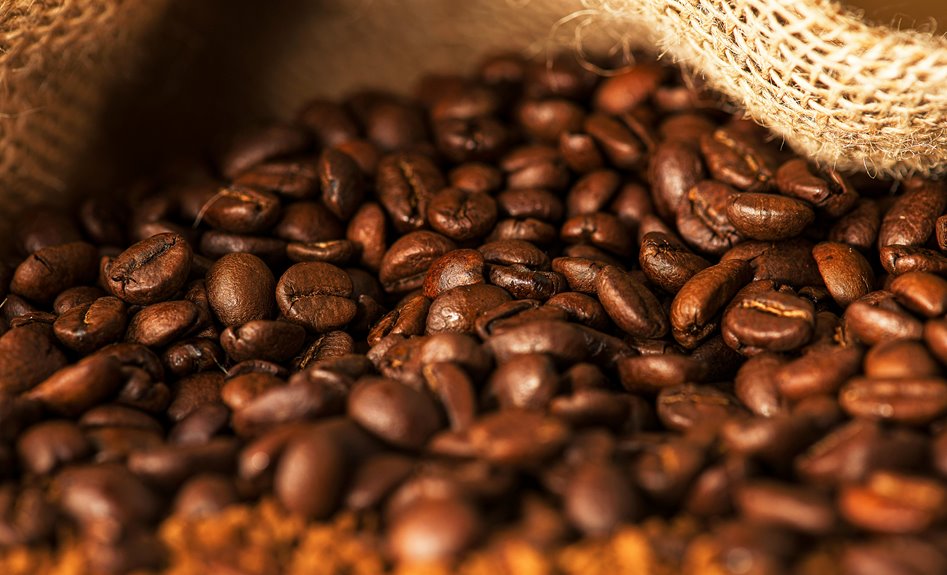
A percolator is a coffee maker that brews by cycling boiling water up through a vertical tube onto coffee grounds, extracting rich, bold flavors as the brewed coffee drips back down repeatedly. You’ll add water to the bottom chamber, place coarsely ground coffee in the basket, and heat it until the water keeps circulating, creating a strong cup. If you want to find out how it compares to other makers and tips to perfect your brew, keep exploring.
Key Takeaways
- A percolator is a coffee brewing device that cycles boiling water through coffee grounds for rich, intense flavor extraction.
- It consists of a water chamber, vertical tube, coffee basket, transparent knob, and a heat source.
- Boiling water is forced up the tube, sprays over the grounds, and drips back, repeating the cycle for thorough brewing.
- The percolator produces bold, robust coffee, often stronger than drip or single-serve brewers.
- Proper use involves coarsely ground coffee, careful timing, gentle heating, and regular cleaning for optimal taste.
The History and Evolution of the Coffee Percolator
Although you mightn’t realize it, the coffee percolator has a rich history that spans over two centuries. It first appeared in the early 1800s, revolutionizing how people brewed coffee at home.
You’ll find that the design has steadily evolved, improving efficiency and flavor extraction while remaining straightforward. Early models were often made of brass or copper, but by the late 19th century, manufacturers shifted to aluminum and stainless steel for durability and heat conduction.
When you use a percolator today, you’re tapping into a legacy of innovation rooted in simplicity. Though newer coffee machines have emerged, the percolator’s unique brewing method remains beloved by many who appreciate its robust and bold flavor.
It’s a timeless piece of coffee culture you can still enjoy.
Key Components of a Percolator
A percolator relies on a few essential parts working together to brew your coffee. First, there’s the water chamber at the bottom where you add water. Above it, you’ll find a vertical tube that channels boiling water upward.
Attached to this tube is the coffee basket, holding your ground coffee. The basket’s perforated bottom lets hot water seep through and extract flavors. At the top, a transparent knob lets you watch the brewing process.
The lid seals the percolator, keeping heat and steam inside. Finally, the heat source—whether electric or stovetop—warms the water chamber. Each part plays a vital role, ensuring hot water continuously cycles through your coffee grounds for that rich, bold flavor you enjoy.
How a Percolator Brews Coffee Step-by-Step
When you start heating the percolator, water in the chamber begins to boil and creates steam pressure that pushes the hot water up through the vertical tube.
The hot water then sprays over the coffee grounds held in the perforated basket at the top. As the water filters through the grounds, it extracts the coffee’s flavors and oils. The brewed coffee drips back down into the lower chamber.
This cycle of boiling, rising, and dripping continues repeatedly, ensuring the coffee grounds steep thoroughly. You control the brewing time to adjust strength.
When the percolator stops perking or you remove it from heat, the coffee is ready to serve. This simple yet effective process delivers a robust, full-bodied cup every time.
Comparing Percolators to Other Coffee Makers
When you compare percolators to other coffee makers, you’ll notice their brewing process is unique, cycling boiling water through the grounds multiple times.
This method often results in a stronger, bolder flavor than drip machines or single-serve brewers.
Understanding these differences helps you choose the right coffee maker for your taste preferences.
Brewing Process Differences
Although you might be familiar with drip or espresso machines, percolators brew coffee quite differently by continuously cycling boiling water through the grounds until they reach your desired strength.
Unlike drip makers, which rely on gravity to pull water through coffee once, percolators pump water up a central tube and let it percolate repeatedly. This process involves boiling water that rises as steam pressure forces it up to shower over the grounds.
You’ll notice there’s no filter basket like in drip machines; instead, a metal filter basket holds the grounds, allowing water to pass through multiple times.
Espresso machines, on the other hand, use high pressure to force hot water through finely ground coffee just once. The percolator’s repetitive brewing is unique, providing a hands-on, manual experience.
Flavor and Strength Comparison
Since percolators brew coffee by repeatedly cycling boiling water through the grounds, they tend to produce a bolder and more robust flavor than drip machines.
You’ll notice the coffee comes out stronger and sometimes slightly more bitter, especially if it brews too long. Unlike espresso makers that force hot water through finely ground beans quickly, percolators extract flavors over time, giving you a distinctive, full-bodied taste.
If you prefer a lighter, smoother cup, drip coffee makers or pour-over methods might suit you better. But if you like rich, intense brews, percolators deliver that depth.
Just keep an eye on brewing time to avoid over-extraction, which can make your coffee overly bitter or harsh. Ultimately, percolators offer a unique flavor profile that stands apart.
Tips for Brewing the Perfect Cup With a Percolator
Mastering just a few key tips can help you brew the perfect cup with a percolator every time. First, use coarsely ground coffee to prevent bitterness and clogging.
Measure your coffee and water carefully—too much coffee leads to over-extraction, too little results in weak flavor. Assemble your percolator properly, ensuring the basket is secure and the lid is tight.
Heat the water gently; rapid boiling can cause harsh flavors. Keep an eye on the brewing time—typically 7 to 10 minutes—to avoid overbrewing.
Once done, remove the percolator from heat immediately to stop extraction. Finally, clean your percolator thoroughly after each use to maintain taste quality.
Following these steps will help you enjoy a smooth, rich cup every time.
Advantages and Disadvantages of Using a Percolator
You’ll find that percolators give you solid control over brewing strength, but they also require regular cleaning to keep things running smoothly.
The flavor you get is different from other methods—some love the bold taste, while others may find it a bit strong.
Let’s break down these pros and cons so you can decide if a percolator fits your coffee routine.
Brewing Strength Control
Controlling the brewing strength with a percolator can be both simple and tricky. You can adjust the coffee’s strength by changing how long you let it percolate—the longer it brews, the stronger and more bitter it becomes.
You also control strength by varying the coffee grind size; finer grounds extract faster but can clog the basket, while coarser grounds brew weaker coffee. However, since the percolator cycles boiling water repeatedly through the grounds, it’s easy to over-extract and end up with a bitter taste if you’re not careful.
Unlike drip machines, you don’t have precise control over extraction time, so you’ll need to experiment a bit to find the perfect balance for your taste. Ultimately, mastering brewing strength with a percolator requires attention and practice.
Cleaning and Maintenance
Adjusting brewing strength with a percolator takes some trial and error, but keeping your device clean plays an equally important role in how your coffee tastes.
You should clean your percolator after every use to prevent old coffee oils and residues from building up, which can make your brew bitter. Disassemble the parts and wash them with warm, soapy water, using a brush to reach tight spots. Avoid harsh abrasives that might damage the metal surfaces.
Regular descaling with a vinegar solution helps remove mineral deposits and keeps your percolator working efficiently. While cleaning requires more effort compared to drip machines, it guarantees consistent flavor.
If you skip maintenance, your coffee can develop off-flavors, and the percolator’s performance may decline over time.
Flavor Profile Differences
Though percolators have a loyal following, their brewing method creates a unique flavor profile that differs from other coffee makers. When you use a percolator, the water continuously cycles through the coffee grounds, extracting bold, robust flavors. This can result in a stronger, sometimes more bitter cup compared to drip coffee. If you like a rich, intense taste, you’ll appreciate this.
However, the extended exposure to heat can also over-extract the coffee, making it taste burnt or harsh if you’re not careful with timing. Percolators don’t produce the bright, clean flavors that some other methods offer, so if you prefer a smoother, more nuanced cup, you might find it lacking.
Ultimately, it’s about your personal taste and how you enjoy your coffee.
Frequently Asked Questions
Can I Use Espresso Grounds in a Percolator?
You can use espresso grounds in a percolator, but be careful. Espresso grounds are finely ground and may clog the filter or create bitter coffee. Try medium grind for better extraction and smoother taste in your percolator.
How Do I Clean a Percolator Effectively?
Cleaning your percolator is like giving it a fresh breath. You’ll want to disassemble it, soak parts in vinegar and water, scrub gently, then rinse thoroughly. This keeps your coffee tasting just right every time.
Are Electric and Stovetop Percolators Different in Taste?
You’ll notice electric percolators often brew more consistently, while stovetop ones give you more control over heat and extraction. This can make stovetop coffee taste richer, but it depends on your brewing technique and preferences.
Is It Safe to Leave a Percolator on Overnight?
You shouldn’t leave a percolator on overnight because it can overheat and cause damage or fire hazards. It’s safer to turn it off after brewing and avoid any risks from prolonged heating.
Can I Make Tea or Other Beverages in a Percolator?
You can use a percolator to make tea or other hot beverages, but be careful with delicate flavors. Steeping times and temperatures might need adjusting to avoid bitterness or over-extraction when brewing non-coffee drinks.