
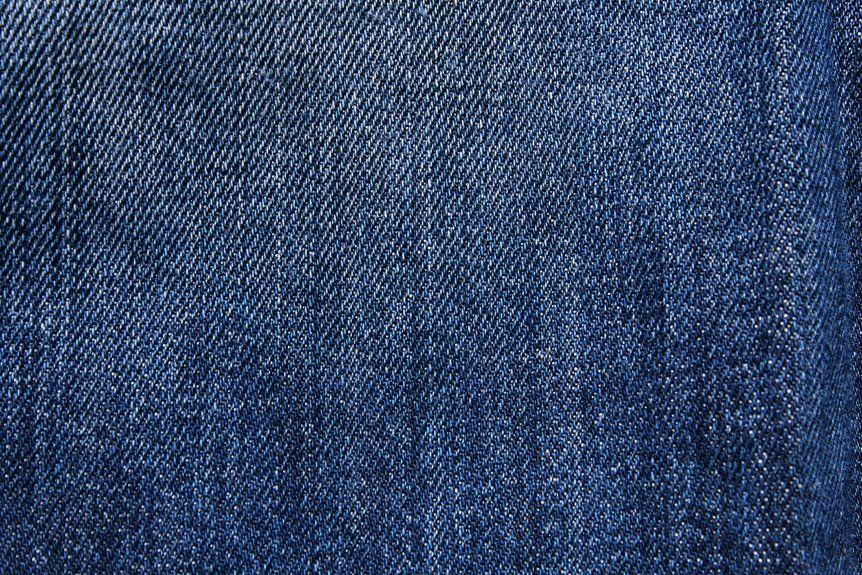
You’ll find that percale is a tightly woven plain weave fabric known for its crisp, smooth texture and matte finish. It’s typically made from long-staple cotton like Egyptian or Pima, providing durability and breathability, perfect for cool, comfortable bedding and summer clothing. Percale’s one-over, one-under weave offers strength while keeping fabric airy and wrinkle-resistant. If you want to understand how this fabric compares to others and the best ways to care for it, there’s plenty more to explore.
Key Takeaways
- Percale is a fabric characterized by a tight, plain weave with a one-over, one-under interlacing pattern.
- It features a crisp, smooth texture and a matte finish, making it popular for bedding and clothing.
- Optimal thread count for percale ranges from 180 to 300, balancing durability, smoothness, and breathability.
- Commonly made from long-staple cottons like Egyptian or Pima, enhancing softness and strength.
- Percale fabric is breathable, durable, resists pilling, and maintains crispness after multiple washes.
Origins and History of Percale
Although you mightn’t realize it, percale has a rich history dating back several centuries. You’ll find its origins tracing back to the city of Perche in France, where artisans first crafted this fine fabric.
Percale’s origins lie in Perche, France, where skilled artisans first created this timeless, finely woven fabric.
It quickly gained popularity for its smooth texture and durability, becoming a favorite for bedding and clothing. As you explore its past, you’ll see how percale evolved from handwoven textiles to more refined, machine-produced fabrics during the Industrial Revolution.
This shift made percale more accessible without losing its signature crispness. You can appreciate how its timeless appeal continues today, prized for breathability and comfort.
Understanding its origins helps you grasp why percale remains a staple in quality linens worldwide.
Understanding the Percale Weave
You’ll notice that percale fabric stands out because of its tight, plain weave that gives it a crisp feel.
Thread count plays a big role in its durability and smoothness, so it’s worth paying attention to.
Comparing it to other weaves helps you see why percale feels lighter and more breathable.
Percale Weave Characteristics
When you examine percale fabric closely, you’ll notice its defining characteristic lies in a simple yet durable weave pattern.
This plain weave interlaces the warp and weft threads one over, one under, creating a tight, balanced structure. Because of this, percale feels crisp and smooth to your touch, offering a matte finish rather than a shiny one.
You’ll appreciate its breathability and strength, making it ideal for everyday bedding. The weave also helps resist pilling and wear, so your sheets stay fresh longer.
Percale’s firmness means it maintains shape and structure without feeling stiff, giving you a cool, comfortable sleep surface. Understanding these characteristics helps you recognize why percale is a popular choice for those seeking durability combined with a crisp, clean feel.
Thread Count Importance
Since the percale weave relies on a tight, balanced structure, thread count plays an essential role in determining its overall quality and feel. You’ll find that a higher thread count generally means a denser, crisper fabric, but percale’s strength lies in its balance rather than just numbers. Too high a thread count can make the fabric less breathable, while too low can reduce durability.
Here’s a quick guide to help you understand thread count in percale:
| Thread Count Range | Fabric Feel |
|---|---|
| 180–200 | Crisp, breathable |
| 200–300 | Smooth, durable |
| 300+ | Dense, less airy |
Choosing the right thread count guarantees you enjoy percale’s signature cool, matte finish without sacrificing comfort.
Comparison With Other Weaves
Although many fabrics share similar materials, the percale weave stands out due to its unique construction.
Unlike sateen, which uses a satin weave to create a glossy, smooth surface, percale employs a plain weave, resulting in a matte finish and crisp feel.
Compared to twill weaves, which produce diagonal patterns and heavier textures, percale offers a lightweight, breathable fabric ideal for warm climates.
You’ll notice percale’s tight, one-over-one-under pattern provides durability without sacrificing softness.
When you choose percale, you get a fabric that’s cool to the touch and resists pilling better than many other weaves.
Common Materials Used in Percale Fabric
You’ll find percale fabric made from various cotton types, each offering unique softness and durability.
Sometimes, you’ll see blends that mix cotton with synthetic fibers for added strength or wrinkle resistance.
Plus, sustainable options like organic cotton are becoming popular choices if you want eco-friendly bedding.
Cotton Varieties
Cotton varieties play an essential role in defining the quality and feel of percale fabric. When you choose percale made from long-staple cottons like Egyptian or Pima, you get a smoother, stronger fabric with a luxurious feel.
These cotton types have longer fibers, which means fewer ends sticking out, resulting in a soft, durable sheet that only gets better with washing.
On the other hand, upland cotton is more common and affordable but tends to be less smooth and slightly less durable. Organic cotton is also popular if you want an eco-friendly option without sacrificing softness.
Ultimately, the cotton variety you select influences the percale’s breathability, crispness, and lifespan, making it a key factor in your overall comfort and satisfaction.
Blended Fabric Options
When exploring percale fabric options, blending materials can enhance performance and feel. You’ll often find percale fabrics combining cotton with polyester, offering increased durability and wrinkle resistance without sacrificing the crisp, breathable nature of pure cotton.
Blends like cotton-polyester are popular because they balance softness with easy care, making your sheets last longer and stay smooth after washing. Some blends include cotton with Tencel or bamboo fibers, which add moisture-wicking and cooling properties, perfect for warmer climates or if you tend to sleep hot.
While 100% cotton percale is classic, these blended options give you extra benefits, such as reduced shrinkage and improved strength. Choosing the right blend depends on your priorities—whether it’s softness, longevity, or easy maintenance.
Sustainable Material Choices
Although percale fabric is traditionally made from cotton, sustainable alternatives are gaining popularity as more people seek eco-friendly bedding options.
You can find percale made from organic cotton, which avoids harmful pesticides and supports healthier soil. Bamboo is another great choice—it grows quickly without much water and has natural antibacterial properties.
Linen, derived from flax plants, is durable and requires fewer chemicals during production, making it eco-friendly too. Some manufacturers combine recycled fibers with percale to reduce waste.
When you choose these sustainable materials, you not only get the crisp, breathable feel of percale but also help reduce environmental impact.
Look for certifications like GOTS or OEKO-TEX to guarantee your percale bedding meets eco-friendly standards.
Characteristics of Percale Fabric
Percale fabric stands out for its crisp, smooth texture and matte finish that instantly feel invigorating against your skin.
You’ll notice its tight, plain weave, which uses a one-over, one-under pattern, giving percale its durability and breathability. This fabric is lightweight yet strong, making it perfect for sheets and summer clothing.
It resists pilling and maintains its crispness even after multiple washes, so it stays fresh and comfortable over time. Percale’s excellent airflow helps regulate temperature, keeping you cool and dry throughout the night.
If you prefer a fabric that feels clean and cool to the touch without the sheen of sateen, percale’s natural matte look and smooth hand will meet your expectations perfectly.
How Percale Compares to Other Weaves
If you’re comparing fabric weaves, you’ll find that percale offers a unique balance of durability and breathability that sets it apart.
Unlike satin, which has a glossy finish and a softer, more delicate feel, percale’s matte surface is crisp and cool to the touch.
Compared to flannel, percale is lighter and less insulating, making it ideal for warmer climates or those who tend to sleep hot.
Twill weaves, known for their diagonal pattern, tend to be thicker and more textured, while percale’s plain weave keeps things smooth and uniform.
When you choose percale, you’re opting for a tight, plain weave that combines strength with a lightweight, breathable structure—qualities that other weaves don’t always offer simultaneously.
Benefits of Using Percale in Bedding
Choosing bedding made from percale brings several advantages that enhance your sleep experience.
Percale’s crisp, smooth texture feels cool and breathable against your skin, making it ideal if you tend to sleep hot or live in warmer climates. Its tight weave guarantees durability, so your sheets resist wear and maintain their softness wash after wash.
Percale’s crisp, breathable weave stays soft and durable, perfect for hot sleepers and warm climates.
You’ll also appreciate how percale’s matte finish reduces pilling, keeping your bedding looking new longer. Because it’s lightweight yet sturdy, percale allows good airflow, preventing sweat buildup and helping you stay comfortable all night.
Plus, it’s easy to care for—you can machine wash and dry percale without worrying about damage.
Percale in Clothing and Other Textiles
You’ll find percale’s lightweight, breathable qualities make it a popular choice beyond bedding.
When you wear clothing made from percale, you benefit from its crisp texture and durability, especially in shirts, dresses, and summer wear. Its smooth surface feels comfortable against your skin and helps wick moisture, keeping you cool on warm days.
Percale’s tight weave also resists wrinkles better than many other fabrics, so your clothes look fresh longer without much effort.
Beyond apparel, percale finds use in home textiles like curtains and tablecloths, where its sturdy yet soft nature adds both function and style.
If you want fabrics that combine strength, breathability, and a clean finish, percale is a smart option to evaluate for more than just your sheets.
Caring for Percale Fabric
Maintaining percale fabric’s crisp feel and durability relies on proper care.
When washing, use cold or warm water with a mild detergent to prevent shrinking or weakening the fibers. Avoid bleach, as it can damage the fabric’s strength and color.
It’s best to wash percale sheets separately from heavy items to reduce wear. You can tumble dry on low heat or line dry to preserve the fabric’s smooth texture.
Remove the fabric promptly from the dryer to minimize wrinkles, and if needed, iron on a medium setting while the fabric is slightly damp.
Following these steps helps keep your percale crisp, breathable, and long-lasting, ensuring your investment in this high-quality fabric pays off over time.
Frequently Asked Questions
Can Percale Fabric Be Used for Outdoor Furniture?
You can use percale fabric for outdoor furniture, but it’s not the best choice since it’s lightweight and breathable. It may wear out quickly when exposed to sun, moisture, and rough conditions outdoors.
Is Percale Fabric Hypoallergenic?
Imagine a gentle breeze that keeps allergens at bay; that’s percale fabric. You’ll find it’s naturally breathable and resists dust mites, making it a smart, hypoallergenic choice for sensitive skin and restful, irritation-free sleep.
How Does Percale Fabric Respond to High Humidity?
You’ll find percale fabric breathes well and feels cool in high humidity, but it might wrinkle more easily. It dries relatively quickly, so you won’t have to worry about lingering dampness or mildew buildup.
Are There Eco-Friendly Percale Fabric Options?
Seeking eco-friendly percale? You’ll find organic cotton and bamboo percale options that blend sustainability with comfort. Choosing these fabrics means you’re weaving kindness into every thread, helping the planet one cozy night at a time.
Can Percale Fabric Be Printed With Custom Designs?
You can definitely print custom designs on percale fabric. Its smooth, tight weave holds colors well, so your designs will look crisp and vibrant. Just choose quality inks and printing methods for the best results.