
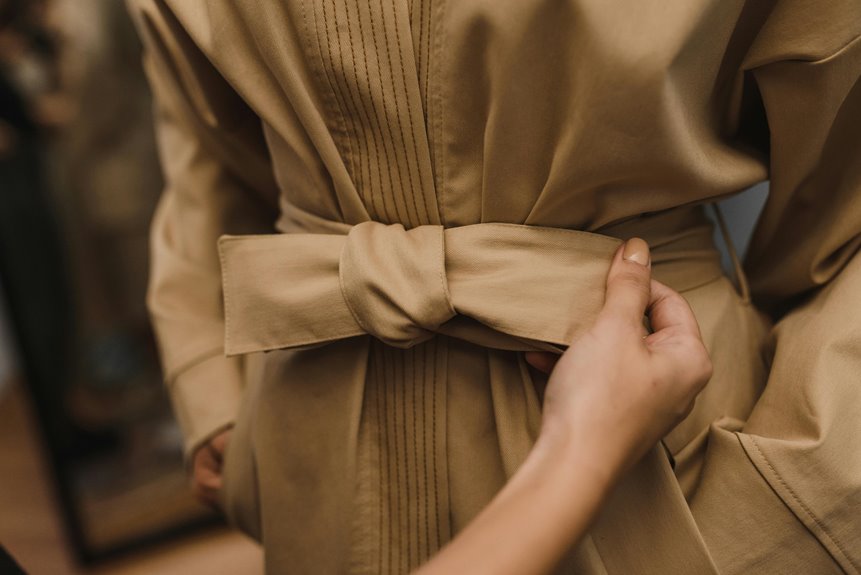
When a fabric is “sueded,” it means its surface has been softly brushed or sanded to give you a velvety, suede-like texture. This process creates a luxurious feel and a matte finish that reduces shine, making the fabric more comfortable and stylish. Sueded fabrics can be made from cotton, polyester, or blends, offering durability and easier care than genuine suede leather. If you want to explore how this finish affects fabric care, uses, and sustainability, there’s plenty more to discover.
Key Takeaways
- Sueded fabric has a soft, velvety surface created by sanding or brushing the fabric’s exterior.
- It typically features a subtle matte finish that reduces shine and enhances comfort.
- Sueded fabrics are made from cotton, polyester, or blends, mimicking the feel of suede leather.
- The sueding process improves fabric softness, flexibility, and luxurious appearance for fashion and home textiles.
- Proper care involves gentle washing, avoiding high heat, and air drying to maintain the sueded texture.
Definition of Sueded Fabric
Sueded fabric refers to textiles that have been treated to create a soft, velvety surface. When you touch sueded fabric, you’ll notice its smooth, plush feel, which results from sanding or brushing the fabric’s surface. This treatment raises the fibers slightly, giving it that characteristic nap and texture.
You’ll find sueded fabric made from various materials, including cotton, polyester, or blends, rather than exclusively from animal hides. The sueding process enhances the fabric’s appearance and comfort, making it popular for clothing, upholstery, and accessories.
It also adds a subtle matte finish that reduces shine and gives the fabric a sophisticated look. When you choose sueded fabric, you’re opting for softness and a tactile experience that’s both luxurious and durable.
Differences Between Suede and Sueded Fabric
Although they sound similar, suede and sueded fabric aren’t the same. Suede is a type of leather made from the underside of animal hides, giving it a soft, napped finish. When you touch genuine suede, you feel natural fibers with a delicate texture that comes from the leather itself.
On the other hand, sueded fabric refers to textiles—like cotton or polyester—that have been mechanically brushed or sanded to mimic suede’s softness. While sueded fabric offers a suede-like feel, it’s often more durable, easier to care for, and less expensive since it doesn’t involve animal products.
Materials Commonly Sueded
If you appreciate the soft texture of sueded fabric, you might wonder which materials undergo this treatment most often. Typically, cotton, polyester, and nylon are popular choices.
These fibers respond well to the sueding process, gaining a velvety surface without sacrificing durability. Cotton sueded fabric feels natural and breathable, making it ideal for casual wear.
Polyester and nylon versions offer enhanced strength and wrinkle resistance, perfect for activewear and outerwear. Sometimes, blends containing these fibers are also sueded to combine softness with performance.
While leather can be naturally sueded to create traditional suede, synthetic fabrics get this finish to mimic that luxurious touch at a lower cost.
Understanding these materials helps you select sueded fabrics that balance comfort, appearance, and function.
The Sueding Process Explained
Discovering how fabric gets its soft, velvety surface can deepen your appreciation for sueded textiles. The sueding process involves gently sanding the fabric’s surface with abrasive rollers or belts, creating tiny fibers that lift and soften it. This mechanical action transforms ordinary fabric into something touchably smooth and matte, enhancing comfort and appearance.
Here’s a quick look at the sueding steps:
| Step | Description |
|---|---|
| Fabric Prep | Clean and stretch fabric evenly |
| Abrasion | Pass fabric over sanding rollers |
| Finishing | Remove loose fibers and set texture |
Advantages of Sueded Fabric
When you choose sueded fabric, you get a material that feels incredibly soft and luxurious to the touch, making it ideal for comfort-focused clothing and home textiles.
You’ll notice how the sueding process enhances the fabric’s texture, giving it a smooth, velvety surface that feels pleasant against your skin. This finish also improves the fabric’s breathability and flexibility, so you stay comfortable throughout the day.
Plus, sueded fabric tends to drape beautifully, adding elegance to your garments or decor. You’ll also appreciate its subtle matte appearance, which reduces glare and adds depth to colors.
Typical Uses of Sueded Textiles
You’ll find sueded fabrics in a variety of apparel, from soft jackets to comfortable loungewear.
They also add a cozy, luxurious feel to home decor items like pillows and upholstery.
Understanding these common uses can help you appreciate why sueded textiles remain popular.
Apparel Applications
Although sueded fabrics boast a soft, luxurious feel, they also offer durability and versatility that make them ideal for various apparel applications. When you choose sueded fabric, you’re picking material that feels gentle against your skin but can withstand everyday wear.
Designers often use sueded textiles for jackets, skirts, and dresses, as the texture adds a subtle elegance without sacrificing comfort. You’ll also find sueded fabrics in casual wear like shirts and pants, where softness enhances wearability.
Thanks to its slightly brushed surface, sueded fabric provides a matte finish that helps garments look refined and less shiny. Whether you want a stylish outer layer or a cozy, tactile piece, sueded fabric adapts well to many clothing styles, making it a popular choice in fashion.
Home Decor Uses
Sueded fabrics bring a cozy, sophisticated touch to any home decor project. When you choose sueded textiles, you add softness and a subtle matte finish that enhances comfort and style. You can use them for upholstery, throw pillows, and curtains to create inviting spaces. Their durability and texture make them perfect for furniture that sees everyday use but still needs to look chic.
| Item | Benefit | Ideal Room |
|---|---|---|
| Upholstery | Soft, durable surface | Living room, Lounge |
| Throw Pillows | Adds warmth and texture | Bedroom, Sofa |
| Curtains | Light-diffusing elegance | Dining room, Study |
Care Tips for Sueded Fabrics
You’ll want to handle sueded fabrics with care by using gentle washing methods to keep their texture intact.
Avoid exposing them to heat, which can cause damage or shrinkage.
Plus, proper storage will help maintain their softness and appearance over time.
Gentle Washing Methods
When caring for sueded fabrics, handling them with extra care during washing helps maintain their soft texture and appearance.
You should always choose a gentle cycle on your washing machine or better yet, hand wash the fabric using cold water to avoid any damage. Use a mild detergent formulated for delicate fabrics, and avoid bleach or harsh chemicals that can degrade the material.
Turn the garment inside out before washing to protect the sueded surface. After washing, gently squeeze out excess water without wringing or twisting, which could distort the fabric.
Lay the item flat on a clean towel to air dry, reshaping it as needed. By following these gentle washing methods, you’ll keep your sueded fabrics looking luxurious and soft longer.
Avoiding Heat Damage
Although heat can quickly ruin the soft texture of sueded fabrics, you can protect your garment by steering clear of high temperatures during washing, drying, and ironing.
Always use cold or lukewarm water when washing to prevent the fibers from stiffening or shrinking.
When drying, skip the dryer altogether and let your sueded items air dry flat, away from direct sunlight or heat sources, which can cause fading or damage.
If you must iron, set your iron to the lowest heat setting and place a pressing cloth between the iron and the fabric to avoid direct contact.
Proper Storage Tips
Since sueded fabrics are delicate, proper storage plays an essential role in preserving their texture and appearance.
You should store sueded items in a cool, dry place away from direct sunlight to prevent fading and drying out. Avoid hanging heavy sueded garments for long periods, as this can cause stretching or misshaping; instead, fold them gently with tissue paper to maintain their form.
Use breathable fabric bags rather than plastic ones to allow airflow and reduce moisture buildup, which can lead to mildew. Keep sueded pieces separate from rough fabrics or items with sharp edges to avoid abrasion.
Regularly check your storage area for humidity and pests, ensuring your sueded fabric stays soft, vibrant, and ready to wear.
Environmental Impact of Sueding
Understanding the environmental impact of sueding helps you make more informed choices about the fabrics you use or buy.
Sueding involves mechanical and chemical processes that affect the environment in several ways:
- Energy Consumption: The machinery used in sueding consumes significant electricity, contributing to carbon emissions.
- Chemical Use: Some sueding techniques use chemicals that can pollute water sources if not managed properly.
- Waste Generation: Fabric scraps and dust produced during sueding may end up in landfills unless recycled.
- Water Usage: Certain sueding methods require water, increasing resource consumption.
Trends and Innovations in Sueded Materials
As consumer demand shifts toward both style and sustainability, manufacturers are developing innovative sueding techniques that enhance fabric texture while reducing environmental impact.
You’ll find that newer methods use less water and energy, employing enzymatic or laser sueding instead of traditional mechanical brushing. These technologies create the soft, velvety feel you want without excessive waste.
Additionally, brands are experimenting with sustainable fibers like organic cotton and recycled polyester combined with sueding, giving fabrics a luxurious touch while prioritizing eco-friendliness.
You might also notice smart textiles integrating sueded surfaces to improve comfort and moisture management.
Frequently Asked Questions
Can Sueded Fabric Be Waterproofed?
You can waterproof sueded fabric, but it requires special sprays designed for delicate materials. Just make sure to test a small area first, so you don’t damage the soft texture or alter its appearance.
Is Sueded Fabric Suitable for Upholstery?
Think of sueded fabric as a soft cloud for your furniture; it’s cozy and stylish but might stain easily. You’ll want to use it in low-traffic areas or apply a protective treatment to keep it looking fresh.
How Does Sueded Fabric React to Heat?
You should avoid exposing sueded fabric to high heat because it can damage the delicate surface. Heat may cause discoloration or texture changes, so always use low temperatures when ironing or cleaning to keep it looking good.
Can Sueded Fabric Be Machine Washed?
Think of sueded fabric like a delicate butterfly’s wings—machine washing can damage it. You shouldn’t toss it in the machine; instead, gently hand wash or follow care labels to keep that soft texture intact.
Are There Hypoallergenic Sueded Fabrics Available?
Yes, you can find hypoallergenic sueded fabrics made from natural fibers like cotton or bamboo. They’re gentle on sensitive skin and reduce irritation, so you’ll stay comfortable while enjoying the soft, luxurious feel.