
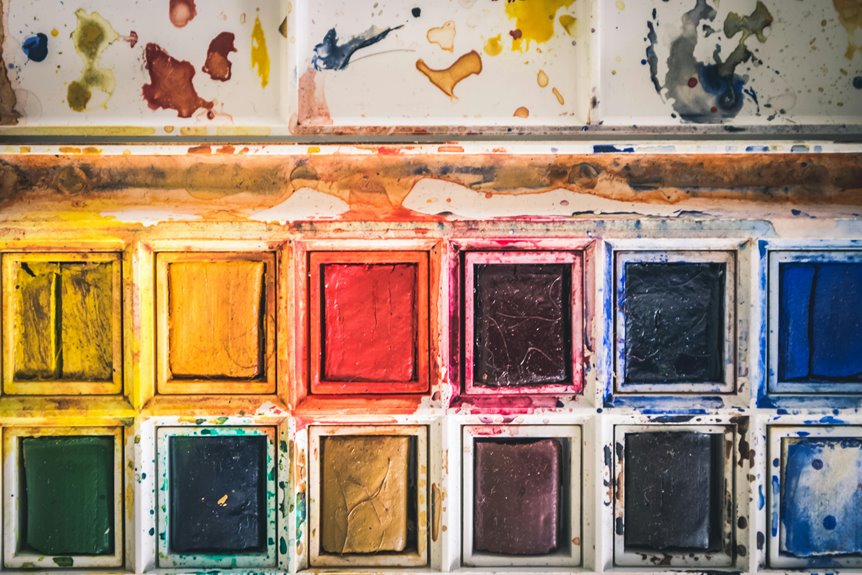
Gabardine typically comes in classic colors like navy blue, charcoal gray, and deep black, giving you a timeless, versatile look. You’ll also find earthy tones such as olive green, rich brown, and taupe that add warmth and depth, especially for fall and winter. Lighter shades, like beige and pastels, brighten your wardrobe for spring and summer. These hues highlight gabardine’s smooth texture and durability. If you want to explore how to match and choose the perfect gabardine color for your style, there’s plenty more to uncover.
Key Takeaways
- Gabardine traditionally comes in classic colors like navy blue, charcoal gray, and deep black for timeless wardrobe staples.
- Earthy tones such as olive green, rich brown, and burnt orange add warmth and seasonal variety to gabardine fabric.
- Neutral shades like beige, taupe, and gray provide versatile, easy-to-match options in gabardine clothing.
- Pastel colors including light blue, soft pink, and creamy beige brighten gabardine for spring and summer wear.
- Gabardine’s tight weave preserves vibrant colors, making both dark and light hues durable and stylish year-round.
The Traditional Colors of Gabardine Fabric
Gabardine traditionally comes in a handful of classic colors that have made it a staple in wardrobes for decades. When you pick up gabardine fabric, you’ll most often find it in navy blue, charcoal gray, and deep black.
These shades give the fabric a timeless appeal, perfect for suits, trousers, and outerwear. You might also see it in olive green or rich brown, adding subtle variety without straying far from tradition.
The fabric’s tight weave helps these colors stay vibrant and wear-resistant, so your garments look sharp longer. Whether you’re choosing gabardine for professional attire or casual pieces, these traditional hues provide a versatile base that matches easily with many other colors in your closet.
Why Gabardine Is Popular in Neutral Tones
Because neutral tones blend effortlessly with other colors, they make gabardine an ideal choice for versatile wardrobes. When you pick gabardine in shades like beige, gray, or taupe, you create a foundation that pairs well with almost anything.
This fabric’s smooth texture and durability complement the understated elegance of neutrals, making your outfits look polished without overdoing it. You can easily dress up or down neutral gabardine pieces, whether for work, casual outings, or special occasions.
Plus, these colors rarely go out of style, so your investment lasts longer. Neutral gabardine also minimizes the risk of clashing with accessories or layers, letting you experiment with your look while keeping it sophisticated and timeless.
Exploring Gabardine in Black and Navy Shades
Two classic colors, black and navy, bring a timeless sophistication to gabardine fabric.
When you choose black gabardine, you get a sharp, versatile look that’s perfect for formal wear and professional settings. Its deep, consistent hue enhances the fabric’s smooth texture, making it ideal for tailored suits or outerwear.
Navy gabardine offers a slightly softer alternative, still maintaining that polished appeal but with a touch of color. It works well for both casual and dressy occasions, giving you flexibility in your wardrobe.
Both colors highlight gabardine’s durability and water-resistant qualities, so you stay stylish no matter the weather.
Earthy and Warm Gabardine Colors
Looking to add warmth and richness to your wardrobe? Earthy and warm gabardine colors are perfect for that.
Think deep browns, burnt oranges, rich tans, and olive greens. These hues bring a natural, grounded feel to your outfits, making them ideal for fall and winter.
Deep browns, burnt oranges, rich tans, and olive greens create a warm, grounded vibe perfect for fall and winter.
When you choose gabardine in these tones, you get fabric that’s not only durable but also visually inviting. Pair a warm brown gabardine jacket with neutral tones or layer an olive gabardine trench over casual wear to instantly elevate your look.
These colors work well with both casual and formal styles, adding versatility. They complement various skin tones and give your ensemble a cozy, sophisticated vibe without overwhelming your overall appearance.
Pastel and Light Colors in Gabardine
While gabardine is often associated with deeper, earthy tones, pastel and light colors offer a revitalizing alternative that brightens your wardrobe. These softer shades bring a fresh, airy feel to this classic fabric, perfect for spring and summer occasions. You can easily pair light blues, soft pinks, and creamy beiges with your existing pieces to create versatile looks. Gabardine’s smooth texture enhances these gentle hues, making them appear elegant and refined.
| Pastel Color | Description | Ideal Use |
|---|---|---|
| Light Blue | Calm and soothing | Casual shirts |
| Soft Pink | Feminine and delicate | Dresses, blouses |
| Cream Beige | Neutral and warm | Trousers, blazers |
These colors help you stay stylish without overwhelming your outfit.
Seasonal Color Trends for Gabardine Garments
As the seasons change, you’ll find that certain colors in gabardine fabrics come alive, perfectly matching the mood and atmosphere of the time.
In spring, fresh greens and soft blues bring a lively, rejuvenating vibe to gabardine garments.
Summer favors vibrant shades like coral and turquoise, keeping you cool yet stylish.
Vibrant coral and turquoise hues make gabardine perfect for a cool, stylish summer look.
When fall arrives, rich earth tones—think burnt orange, deep browns, and mustard yellows—dominate your gabardine wardrobe, echoing the season’s warmth.
Winter, on the other hand, calls for classic dark hues such as navy, charcoal, and forest green, which add sophistication and depth.
How Fabric Dyeing Affects Gabardine’s Appearance
Because gabardine’s tightly woven structure interacts uniquely with dyes, the fabric’s final color often appears richer and more vibrant than on other materials.
When you choose gabardine, the dye penetrates deeply, enhancing the fabric’s natural sheen and giving it a smooth, even finish. This means subtle color variations and gradients you might see on looser weaves won’t appear here.
You’ll notice that darker shades hold intensity, while lighter colors reveal a crispness that’s hard to achieve elsewhere.
The dyeing process also affects gabardine’s durability—well-dyed pieces resist fading, maintaining their sharp look over time.
Gabardine Colors in Men’s vs. Women’s Fashion
You’ll notice traditional gabardine shades like navy, gray, and black often dominate men’s fashion, while women’s styles embrace a wider color palette.
Gendered preferences shape how these colors appear on gabardine fabrics, reflecting different style choices.
Plus, seasonal variations influence which hues become popular, giving gabardine a dynamic edge in both wardrobes.
Traditional Gabardine Shades
While gabardine’s durability makes it a favorite fabric, its traditional shades reveal interesting differences between men’s and women’s fashion. You’ll notice that men’s gabardine tends to favor classic, muted tones, perfect for formalwear and outerwear. Women’s gabardine, however, often includes a broader palette, incorporating softer and sometimes brighter hues. This versatility allows you to dress gabardine up or down depending on the occasion.
| Garment Type | Men’s Traditional Shades | Women’s Traditional Shades |
|---|---|---|
| Suits | Navy, Charcoal, Black | Navy, Charcoal, Burgundy |
| Coats | Camel, Olive, Gray | Camel, Pastel Blue, Gray |
| Trousers | Black, Brown, Navy | Brown, Burgundy, Navy |
| Skirts | — | Black, Burgundy, Olive |
Gendered Color Preferences
How do color choices in gabardine reflect gendered fashion preferences?
When you look at men’s gabardine, you’ll often see classic, muted tones like navy, charcoal, and olive. These colors emphasize a timeless, professional vibe that suits tailored suits or trench coats.
For women, gabardine tends to embrace a broader palette—think softer pastels alongside bold reds and deep purples—offering more room for personal expression and seasonal trends.
You’ll notice that while men’s gabardine leans toward practicality and understated elegance, women’s fashion uses color to highlight individuality and style versatility.
Seasonal Color Variations
Although gabardine maintains its durable and smooth texture year-round, the colors you find in men’s and women’s fashion shift noticeably with the seasons.
In spring and summer, you’ll see lighter, brighter tones like beige, pastel blues, and soft grays dominating women’s gabardine pieces, offering a fresh, airy feel.
Men’s gabardine tends to stick with classic neutrals like khaki, navy, and olive during these warmer months, balancing style with practicality.
When fall and winter arrive, darker, richer colors take the stage.
Women’s gabardine often features deep burgundy, forest green, and charcoal, while men lean toward traditional shades such as black, navy, and brown.
Understanding these seasonal color trends helps you choose gabardine outfits that reflect both the time of year and your personal style.
Matching Gabardine Colors With Different Outfits
When you choose gabardine for your wardrobe, matching its colors with different outfits can elevate your style effortlessly.
If you pick classic navy or charcoal gabardine, pair them with crisp white shirts and brown or black leather shoes for a timeless look.
Lighter shades like beige or tan work well with pastel shirts or casual tees, creating a relaxed yet polished vibe.
Don’t hesitate to mix textures—gabardine’s smooth finish contrasts nicely with knitwear or denim.
For bold hues, keep accessories neutral to let the fabric stand out without overwhelming your outfit.
Tips for Choosing the Right Gabardine Color for Your Style
Wondering which gabardine color suits your personal style best? Start by considering your wardrobe’s existing palette—choose colors that complement what you already own.
If you lean toward classic looks, navy or charcoal gabardine offers timeless versatility. For a bolder vibe, try deep greens or rich burgundies.
Think about the occasions you’ll wear it to; lighter shades like beige or camel work well for casual, daytime settings, while darker tones fit formal or evening events.
Also, factor in your skin tone—cool undertones pair nicely with grays and blues, while warm undertones shine in browns and olives.
Finally, trust your instincts. When you feel confident in a particular color, it naturally enhances your style.
Frequently Asked Questions
What Is Gabardine Fabric Made Of?
You’ll find gabardine fabric made from tightly woven wool, cotton, or synthetic fibers. It’s durable and smooth, perfect for suits and outerwear. You’ll appreciate its strength and slight diagonal ribbing texture.
How Durable Is Gabardine Compared to Other Fabrics?
You’ll find gabardine quite durable; it’s tightly woven, resisting wrinkles and wear better than many fabrics. Compared to cotton or linen, it holds up well, making it perfect for suits and outerwear you’ll wear often.
Is Gabardine Suitable for All Seasons?
You might think gabardine’s thick weave limits its use, but it actually breathes well, making it surprisingly versatile. You’ll find it works great in cooler months and lighter versions suit warmer seasons effortlessly.
Can Gabardine Be Machine Washed or Dry Cleaned Only?
You shouldn’t machine wash gabardine since it can damage the fabric’s texture. Instead, you should dry clean it to maintain its durability and appearance, ensuring your garment stays sharp and lasts longer.
What Types of Garments Are Typically Made From Gabardine?
You’ll find gabardine commonly used for suits, trousers, and jackets because it’s durable and smooth. It’s also popular in skirts, uniforms, and outerwear, offering a polished look while standing up to daily wear.