
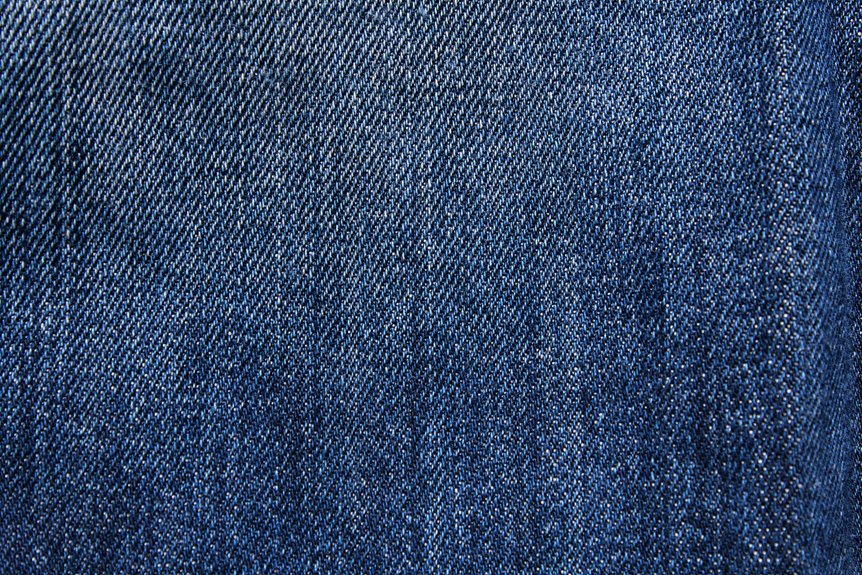
When you choose Katan fabric, you’re picking a finely woven silk with a plain or dobby weave that offers strength and subtle texture. It feels smooth yet firm, with a soft touch that’s lightweight and drapes elegantly. The surface shines beautifully without glare, making it ideal for both traditional and modern styles. If you want to explore its rich origins, care tips, and versatile uses, there’s plenty more to discover about this luxurious fabric.
Key Takeaways
- Katan fabric features a tight plain weave that ensures durability and a smooth, lustrous surface with subtle design complexity from supplementary wefts.
- It has a soft yet firm feel due to fine, long silk fibers, providing comfort without being overly glossy.
- The fabric’s smooth finish and lightweight nature allow for easy, elegant draping suitable for both casual and formal wear.
- Katan’s weave structure results in minimal irregularities and rich color depth, enhancing visual appeal and fabric strength.
- Its finely woven texture combines tradition with modern sophistication, making it versatile for various fashion applications.
Origin and History of Katan Fabric
Although you mightn’t always notice it, katan fabric has a rich history that dates back centuries. You’ll find its roots in the Indian subcontinent, where skilled weavers crafted this fine silk with great care.
It quickly became popular among royalty and nobility for its luxurious texture and elegant appearance. As you explore katan’s past, you’ll discover how it was traditionally handwoven on narrow looms, producing a fabric known for its tight weave and smooth finish.
Over time, katan gained a reputation for durability and sophistication, making it a favored choice for special occasions. When you wear or work with katan, you connect with a centuries-old tradition that reflects exceptional craftsmanship and cultural heritage.
Composition and Material Sources
Katan fabric primarily consists of long, fine silk fibers that give it its signature smoothness and strength.
When you explore its composition, you’ll find it relies on the highest quality silk, sourced from select silkworm varieties. This guarantees durability and a lustrous finish.
Here’s what you should know about its material sources:
- Mulberry silk is the primary raw material, prized for its fine texture.
- The fibers come from carefully nurtured silkworms, assuring consistency.
- Only long filaments are chosen, which enhance the fabric’s strength.
- Natural dyes are often used to retain the silk’s purity and vibrancy.
Weave Pattern and Techniques
The superior quality of silk fibers sets the stage for the intricate weave patterns that define Katan fabric. You’ll notice that Katan typically uses a plain weave, where the weft and warp threads cross at right angles, creating a tight and durable structure. This technique amplifies the fabric’s strength and lends a subtle sheen. Sometimes, artisans incorporate supplementary wefts or dobby patterns to add complexity without compromising its smoothness.
Here’s a quick look at common weave techniques in Katan:
| Weave Type | Structure | Effect on Fabric |
|---|---|---|
| Plain Weave | Simple over-under | Durable, smooth |
| Supplementary Weft | Extra threads added | Adds subtle design |
| Dobby Weave | Small geometric patterns | Enhances texture |
Understanding these lets you appreciate Katan’s craftsmanship.
Texture and Surface Appearance
A smooth, lustrous surface immediately catches your eye when you run your fingers over Katan fabric. This fabric’s texture feels exceptionally soft yet firm, giving it a unique tactile appeal.
You’ll notice these key features in its surface appearance:
- Sheen: Katan boasts a subtle shine that reflects light beautifully without being overly glossy.
- Smoothness: The fine silk threads create an even, sleek finish that feels gentle on your skin.
- Tight Weave: Its closely woven structure results in a uniform texture with minimal irregularities.
- Natural Vibrancy: The fabric retains a rich, deep color that enhances its visual depth and elegance.
These characteristics combine to give Katan fabric its signature sophisticated look and luxurious feel.
Weight and Thickness Characteristics
While its smooth surface invites touch, you’ll find the weight and thickness of this fabric play a big role in how it drapes and feels when worn. Katan fabric typically strikes a balance — it’s neither too heavy nor overly thin, offering a substantial yet breathable feel. This balance makes it comfortable for various climates, especially in traditional attire.
Here’s a quick overview:
| Weight Category | Thickness Level | Typical Use |
|---|---|---|
| Light | Thin | Summer wear, lightweight sarees |
| Medium | Moderate | Everyday traditional garments |
| Heavy | Dense | Formal wear, winter clothing |
Understanding these characteristics helps you select the right Katan fabric for your needs, ensuring comfort without compromising elegance.
Drape and Flow Behavior
When you work with Katan fabric, you’ll notice how its weight and flexibility affect its movement.
It flows smoothly, creating a graceful drape that complements your design.
Understanding this balance helps you make the most of its fluidity in your projects.
Fluidity and Movement
Because Katan fabric combines fine silk threads with a tight weave, it drapes gracefully and moves fluidly as you wear it. You’ll notice how its fluidity enhances your silhouette, offering elegance without stiffness.
Its smooth flow allows you to move freely, making it ideal for occasions where comfort meets style. When you handle Katan fabric, consider these key aspects of its fluidity and movement:
- It glides softly over your skin, preventing any harsh creases.
- The fabric flows naturally with your body’s motion, creating an effortless elegance.
- Its subtle sheen catches light during movement, adding a dynamic visual appeal.
- Unlike heavier fabrics, Katan doesn’t restrict your motion, making it perfect for graceful gestures.
This fluidity makes Katan a stylish yet comfortable fabric choice.
Weight and Flexibility
Katan fabric boasts a lightweight texture that offers remarkable flexibility, allowing it to drape effortlessly over your body. Its subtle sheen and fine weave contribute to a smooth flow, adapting to your movements without stiffness. You’ll notice how the fabric holds shape yet remains soft, making it ideal for garments requiring both structure and comfort.
| Property | Description | Effect on Wearability |
|---|---|---|
| Weight | Light to medium | Comfortable, breathable |
| Flexibility | High | Moves fluidly with you |
| Drape Quality | Soft, smooth fall | Elegant silhouette |
This combination guarantees Katan fabric feels luxurious while maintaining practicality in everyday wear.
Common Uses in Fashion and Design
You’ll find katan fabric often featured in traditional attire, thanks to its rich texture and durability.
It’s also gaining popularity in contemporary design for its elegant sheen and versatility.
Let’s explore how designers blend classic and modern styles using this fabric.
Traditional Attire Applications
Many traditional garments feature this fabric for its luxurious sheen and smooth texture, making it a favorite in cultural and ceremonial attire.
When you choose katan fabric, you tap into its rich heritage and elegance, perfect for special occasions. Here are some common traditional attire applications you’ll find:
- Sarees – The fabric’s crispness highlights intricate designs and pleats beautifully.
- Sherwanis – It adds a regal touch with a subtle shine that’s perfect for weddings.
- Lehengas – Katan supports heavy embroidery while maintaining structure.
- Dupattas – Its lightweight drape complements heavier garments without overwhelming.
Using katan fabric in these garments guarantees you get both tradition and sophistication, making your attire stand out with timeless charm.
Contemporary Design Trends
Although rooted in tradition, this fabric has found a fresh place in modern fashion, blending classic elegance with contemporary style.
You’ll see Katan used in sleek evening gowns, sharp blazers, and even minimalist separates that highlight its smooth texture and subtle sheen. Designers appreciate how it holds structure yet drapes gracefully, making it perfect for both tailored and flowing silhouettes.
You can also find it in fusion wear, combining traditional motifs with modern cuts for a unique look. Accessories like scarves and clutches crafted from Katan add a touch of sophistication to everyday outfits.
When you choose Katan, you’re embracing a versatile fabric that elevates your wardrobe with timeless charm and a modern edge.
Care and Maintenance Tips for Katan Fabric
Since Katan fabric is delicate and finely woven, you should handle it with extra care to preserve its texture and sheen.
Here are some essential care and maintenance tips:
- Dry Clean Only: Always opt for professional dry cleaning to avoid damaging the fibers.
- Store Properly: Keep your Katan garments in a cool, dry place, preferably wrapped in muslin cloth.
- Avoid Direct Sunlight: Prolonged exposure can fade colors and weaken the fabric.
- Iron with Caution: Use a low heat setting and iron on the reverse side to protect the surface.
Following these steps guarantees your Katan fabric remains vibrant and smooth, extending its life and maintaining its luxurious appeal.
Treat it gently, and it will reward you with timeless elegance.
Frequently Asked Questions
Can Katan Fabric Be Blended With Synthetic Fibers?
Yes, you can blend katan fabric with synthetic fibers to add durability and reduce costs. You’ll still enjoy its smooth texture and elegant drape, but the blend might slightly change its natural feel and breathability.
Is Katan Fabric Hypoallergenic or Suitable for Sensitive Skin?
Imagine slipping into a soft cloud—that’s how your skin feels with katan fabric. It’s naturally hypoallergenic and gentle, making it perfect if you’ve got sensitive skin or allergies. You’ll love its comforting touch!
How Does Katan Fabric Respond to Different Dyeing Techniques?
Katan fabric absorbs dyes evenly, so you’ll get vibrant colors with most techniques. However, delicate dyes suit it best to preserve its texture. Avoid harsh chemicals, or you might damage its fine silk fibers and sheen.
Are There Seasonal Variations in the Availability of Katan Fabric?
You might notice katan fabric availability varies seasonally, as silk production depends on mulberry leaves and silkworm cycles. So, you’ll find fresher stock during peak harvests, while off-season supply could be limited or pricier.
What Are the Environmental Impacts of Producing Katan Fabric?
Like a hidden iceberg, katan fabric’s production involves water, energy, and chemical use, which can strain ecosystems. You can lessen impact by choosing sustainable sources and supporting eco-friendly weaving practices.