
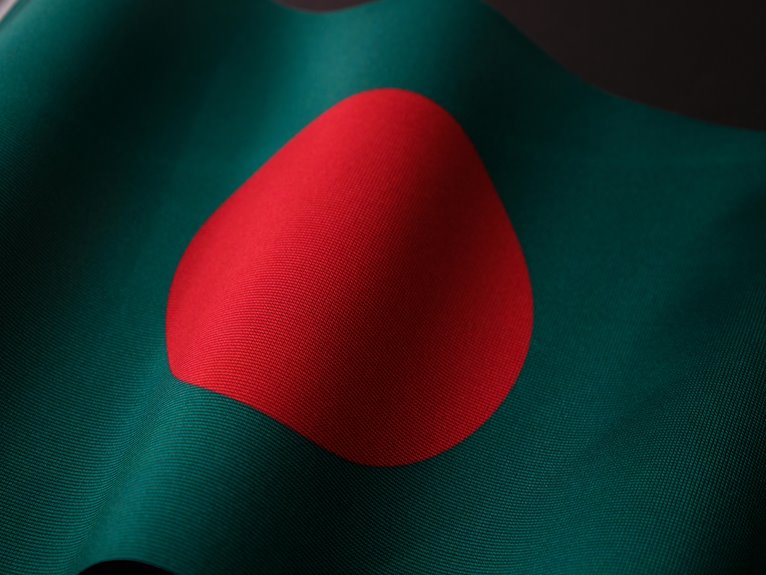
You’ll find muslin’s history in Bangladesh spans over a thousand years, with Dhaka as its famed weaving center. Skilled artisans crafted this lightweight, sheer fabric using handlooms and natural dyes, gaining royal favor under Mughal rule. Once a global trade treasure, muslin’s production declined during colonial times due to heavy taxes and competition. Today, efforts are underway to revive this cultural heritage, blending tradition with modern fashion. Explore how this delicate fabric shaped Bangladesh’s identity and economy.
Key Takeaways
- Muslin originated in ancient Bengal over a thousand years ago, renowned for its lightweight, sheer quality and cultural significance.
- Dhaka was the historic center of muslin production, where artisans used handloom weaving and specialized techniques like jamdani.
- Muslin trade significantly boosted Bengal’s economy but declined under colonial rule due to heavy taxes and competition from British textiles.
- Globally, muslin influenced fashion with its softness and breathability, inspiring sustainable and eco-friendly design trends.
- Preservation efforts today focus on training artisans, promoting cultural pride, and documenting traditional muslin weaving methods in Bangladesh.
Origins of Muslin in Ancient Bengal
Although muslin is often associated with global trade, its roots lie deep in ancient Bengal, where skilled artisans first wove this delicate fabric.
You mightn’t realize, but muslin’s history stretches back over a thousand years in this region. It became famous for its lightweight, sheer quality and remarkable softness.
When you wear or handle muslin, you’re touching a material that connected Bengal to the world long before modern globalization.
Ancient Bengal’s climate and fertile soil nurtured the unique cotton plants essential for muslin.
As you explore its origins, you’ll see how this fabric wasn’t just a textile—it was a symbol of cultural identity and craftsmanship.
Understanding this history helps you appreciate muslin beyond its beauty and value.
Traditional Techniques of Muslin Weaving
You’ll find that traditional muslin weaving relies heavily on handloom methods, where skilled artisans carefully interlace fine threads to create its signature softness.
Natural dyeing processes add subtle hues without overpowering the fabric’s delicate texture.
Let’s explore how these time-honored techniques bring muslin to life.
Handloom Weaving Methods
Handloom weaving methods form the foundation of traditional muslin production, relying on skilled artisans who expertly manipulate simple tools to create delicate fabric.
When you watch these weavers, you’ll notice how they meticulously interlace fine cotton threads on wooden looms, maintaining tension and rhythm to guarantee uniformity.
You’ll see that every step demands patience and precision, as the threads are incredibly thin and prone to breakage.
Using their hands and feet, artisans control the shuttle and pedals, guiding the weft through warps with gentle care.
This hands-on approach keeps the fabric lightweight yet strong.
Natural Dyeing Processes
Once the muslin fabric is expertly woven, the next step involves adding color through natural dyeing processes that have been passed down for generations.
You’ll use plant-based dyes extracted from roots, leaves, and flowers, ensuring the colors are vibrant yet eco-friendly. Indigo, turmeric, and madder root are popular choices that give muslin its characteristic hues.
Before dyeing, you must prepare the fabric by soaking it in a mordant solution—often alum or tannin—to fix the color and enhance its durability.
You’ll carefully dip the muslin into the dye bath, sometimes repeating the process to deepen the shade. This hands-on method requires patience and skill, preserving the fabric’s delicate texture while honoring centuries-old traditions that connect you to Bangladesh’s rich cultural heritage.
The Role of Dhaka in Muslin Production
You can’t explore muslin’s history without recognizing Dhaka’s key role as a historic textile hub.
The weavers there developed unique techniques that set their muslin apart in quality and style.
Understanding their craft helps you appreciate the fabric’s true legacy.
Dhaka’s Historical Textile Hub
Although muslin was produced in various regions, Dhaka stood out as the epicenter of this exquisite fabric’s creation.
When you explore Dhaka’s historical textile hub, you’ll find it shaped by three key factors:
- Strategic Location: Dhaka’s position along river routes made transporting raw materials and finished muslin easier, boosting trade.
- Skilled Artisans: The city attracted master weavers whose expertise elevated muslin’s quality, making Dhaka synonymous with luxury textiles.
- Royal Patronage: Support from Mughal rulers fostered an environment where muslin craftsmanship thrived, ensuring global recognition.
Techniques of Dhaka Weavers
Muslin weaving in Dhaka relied on intricate techniques passed down through generations. When you observe a Dhaka weaver at work, you’ll notice their deft fingers manipulating ultra-fine cotton threads with unparalleled precision.
They use a traditional handloom, maintaining consistent tension to create the fabric’s signature lightweight and sheer texture. You’ll appreciate how they interlace the threads so tightly yet delicately that the cloth feels almost weightless.
The weavers also employ a unique method called “jamdani,” where supplementary weft threads form elaborate, decorative patterns directly on the loom. This process demands patience and skill, as every motif is woven by hand without any mechanical aid.
Muslin During the Mughal Empire
When the Mughal Empire flourished, it transformed the production and trade of muslin into a highly prized craft. You’d find muslin celebrated for its delicate texture and intricate patterns, becoming a symbol of luxury and refinement.
The Mughal rulers actively promoted muslin weaving, elevating it to an art form. Here’s what you should know about muslin during this era:
- The imperial court favored muslin garments, boosting demand and encouraging innovation among weavers.
- Skilled artisans refined weaving techniques, producing fabrics so fine they seemed almost transparent.
- Muslin became a key element in cultural expression, worn during ceremonies and depicted in Mughal paintings.
The Economic Impact of Muslin Trade
Since muslin captivated both local and international markets, it played an essential role in shaping the economy of regions involved in its production.
When you explore this history, you’ll see how muslin trade created wealth for Bengal’s weavers and merchants. It boosted local industries, from cotton farming to dyeing and weaving, providing jobs and encouraging craftsmanship.
You’d notice that European traders enthusiastically sought muslin, making it a key export commodity that fueled economic growth. This demand also led to the establishment of trade centers and improved infrastructure.
However, you should remember that the muslin trade’s prosperity sometimes invited competition and exploitation, impacting local communities.
Understanding this economic impact helps you appreciate how muslin was much more than fabric—it was a driver of historical commerce and culture.
Characteristics That Define Muslin Fabric
You’ll notice muslin fabric stands out because of its unique texture and loose weave, making it incredibly breathable.
Despite its lightness, it’s surprisingly durable, which adds to its versatility.
Let’s explore what makes these qualities so special.
Texture and Weave
The unique texture and weave of muslin fabric set it apart from other textiles.
When you touch muslin, you’ll notice its softness combined with a delicate, airy quality. This comes from its distinctive weaving process, which involves:
- Fine yarns: Muslin is woven with extremely fine cotton threads, making it lightweight and smooth.
- Plain weave: The fabric uses a simple over-under weaving pattern, giving it subtle transparency.
- Loose weave: The threads aren’t packed tightly, allowing the fabric to drape gracefully and feel breathable.
Breathability and Durability
Although muslin fabric feels delicate, it breathes exceptionally well and withstands regular use. When you wear muslin, you’ll notice how its light, open weave lets air flow freely, keeping you cool even in hot, humid climates.
This breathability makes muslin perfect for everyday garments and summer attire. Despite its fine texture, muslin is surprisingly durable. You can handle it gently but confidently, knowing it won’t tear easily with normal wear.
Its strength comes from the tightly spun cotton threads used in traditional weaving methods. When cared for properly, muslin maintains its shape and softness through multiple washes.
Decline of Muslin Industry in Colonial Era
When colonial powers imposed heavy taxes and restrictive trade policies, you could see the once-thriving muslin industry start to crumble. As a weaver or merchant, you’d feel the impact firsthand. The British, seeking control, made it nearly impossible for local artisans to compete globally.
You’d notice three major factors accelerating the decline:
- Tax Burdens: Excessive levies on muslin stifled production and reduced profits.
- Import Restrictions: Policies favored British textiles, flooding the market and limiting demand for muslin.
- Resource Exploitation: Raw materials were diverted or controlled by colonizers, disrupting traditional supply chains.
These changes didn’t just hurt economies—they shattered generations of craftsmanship.
You’d witness a rich cultural heritage fading as muslin, once a symbol of Bengal’s artistry, slipped into obscurity during the colonial era.
Muslin’s Influence on Global Fashion
As you explore fashion history, you’ll see muslin’s delicate texture and versatility have inspired designers worldwide. When you wear muslin-inspired pieces, you connect with a fabric that’s been cherished for centuries.
Fashion icons have embraced muslin for its lightness and breathable qualities, making it perfect for elegant dresses and casual wear alike. You’ll notice muslin’s influence in haute couture, where designers use its fine weave to create flowing silhouettes and intricate detailing.
Muslin’s natural appeal also fits perfectly with today’s push for sustainable and eco-friendly fashion, encouraging you to appreciate traditional craftsmanship. By choosing muslin fabrics, you support a timeless textile that continues to shape global fashion trends while honoring its rich Bangladeshi heritage.
Preservation of Muslin Weaving Skills
Since muslin weaving is a highly specialized craft, preserving these skills requires dedicated effort from communities and artisans alike.
You can appreciate how fragile the tradition is, relying heavily on hands trained over years.
To help keep muslin weaving alive, focus on three key areas:
- Apprenticeship Programs: You should support programs where experienced weavers pass down techniques to younger generations.
- Community Engagement: Encourage local involvement to maintain cultural pride and guarantee the craft remains economically viable.
- Documentation: Promote detailed recording of weaving methods and patterns, so knowledge isn’t lost over time.
Contemporary Efforts to Revive Muslin Craft
Building on the efforts to preserve muslin weaving skills, many communities and organizations have launched initiatives to revive the craft on a larger scale.
You’ll find training programs helping young artisans master traditional techniques, while collaborations with designers bring fresh life to muslin in modern fashion.
These efforts don’t just focus on craftsmanship; they also promote muslin through exhibitions, fairs, and online platforms, connecting you directly to this heritage fabric.
By supporting fair trade and sustainable practices, they guarantee that muslin remains economically viable for weavers.
When you explore these contemporary projects, you see a vibrant movement dedicated to restoring muslin’s prestige, guaranteeing it thrives in today’s market without losing its roots.
You’re witnessing a true renaissance of Bangladesh’s legendary fabric.
Cultural Significance of Muslin in Bangladeshi Society
Though muslin’s delicate texture captivates many, its true value lies in the deep cultural roots it holds within Bangladeshi society.
You’ll find that muslin isn’t just fabric; it’s a symbol of heritage, pride, and identity. When you explore its cultural significance, you’ll see why it matters so much:
- Symbol of Elegance: Muslin represents grace, often worn during significant ceremonies and celebrations, marking respect and tradition.
- Economic Heritage: Families have passed down weaving skills for generations, making muslin a link between past and present livelihoods.
- Artistic Expression: The intricate patterns and craftsmanship reflect Bangladeshi creativity and the community’s dedication to preserving their unique art form.
Future Prospects for Muslin Fabric in Bangladesh
As you look ahead, muslin fabric holds promising opportunities to revive and expand its presence both locally and globally.
You can leverage Bangladesh’s rich heritage and skilled artisans to meet growing demand for sustainable and luxury textiles. By embracing modern technology alongside traditional techniques, you’ll increase production efficiency without losing authenticity.
Collaborations with fashion designers and international brands can boost muslin’s profile worldwide. You should also focus on eco-friendly practices to appeal to conscious consumers.
Government support and investment in training programs will empower artisans and preserve craftsmanship. If you promote muslin as both a cultural symbol and a contemporary fabric choice, you’ll guarantee its relevance for future generations.
The future of muslin fabric in Bangladesh depends on your commitment to innovation and heritage combined.
Frequently Asked Questions
What Types of Dyes Were Traditionally Used on Muslin Fabric?
Like painting with nature’s palette, you’d use natural dyes on muslin fabric—indigo for deep blues, madder root for reds, and turmeric for yellows. These colors brought vibrant life to the delicate, airy cloth you’d cherish.
How Does Muslin Compare to Other Fine Fabrics Globally?
You’ll find muslin’s lightweight, breathable texture unmatched by many fine fabrics globally. It’s softer and more delicate than silk or chiffon, making it perfect for elegant garments needing both comfort and sophistication.
Are There Any Famous Historical Figures Associated With Muslin Trade?
Imagine intricate muslin draping royal courts—you’re stepping into a world where Emperor Akbar cherished this fabric, and traders like European merchants enthusiastically sought it, weaving history and luxury into every delicate thread you hold.
What Is the Environmental Impact of Modern Muslin Production?
You’ll find that modern muslin production often uses synthetic dyes and large water amounts, which can harm ecosystems. However, sustainable practices are emerging, helping reduce pollution and conserve resources to lessen muslin’s environmental footprint.
Can Muslin Fabric Be Used for Purposes Other Than Clothing?
You can definitely use muslin fabric for more than clothing. It’s great for curtains, quilting, art backdrops, and even food preparation like cheesecloth. Its lightweight, breathable nature makes it versatile for many creative and practical uses.