
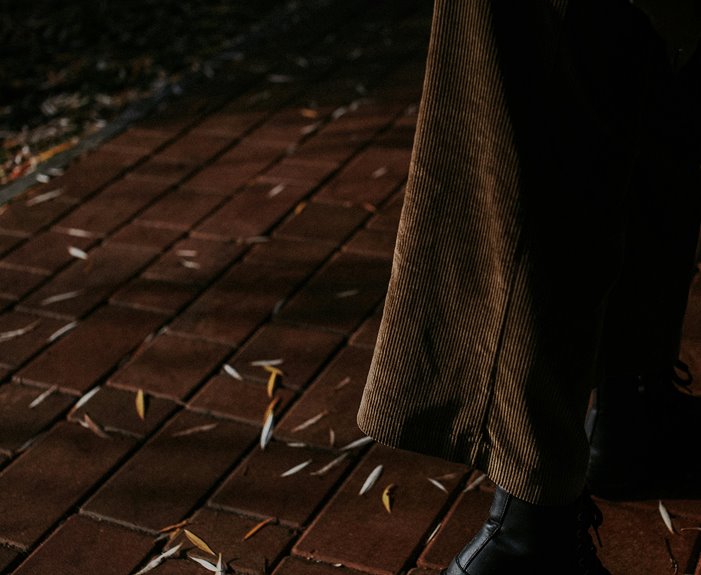
Corduroy pants are primarily made from cotton, giving you softness, breathability, and durability. You’ll often find combed or organic cotton used for extra comfort and eco-friendliness. The fabric’s signature ribbed texture, called wales, comes from a special weave that creates raised ridges. Sometimes, corduroy blends in stretch fibers like polyester or spandex for added flexibility. While cozy and stylish, corduroy’s production has environmental costs, but proper care boosts its lifespan. Explore more to see how these details shape your pants.
Key Takeaways
- Corduroy pants are primarily made from cotton, valued for softness, breathability, and durability suitable for regular wear.
- The distinctive fabric features raised parallel ridges called “wales,” created by a special weave with a pile on the ground fabric.
- Variations include blends with polyester or spandex to add stretch, though pure synthetic corduroy lacks natural texture and breathability.
- Combed cotton offers enhanced softness and strength, while organic cotton is an eco-friendly alternative with gentler fibers.
- Corduroy fabric weight and wale width impact warmth, comfort, and style, making it popular for pants in cooler weather.
History and Origins of Corduroy Fabric
Although corduroy feels timeless, its origins trace back centuries to ancient textiles. You mightn’t realize it, but corduroy evolved from a fabric called “corded cloth,” used in Egypt and Rome.
By the 18th century, corduroy became popular in England for durable workwear, thanks to its distinctive ridges, or “wales,” that provided strength and warmth. When you wear corduroy pants today, you’re tapping into a rich history of craftsmanship and practicality.
Over time, the fabric shifted from purely utilitarian to a fashion statement, embraced by various cultures worldwide. Understanding this background helps you appreciate why corduroy remains a go-to choice for comfort and style, blending tradition with modern appeal in your wardrobe.
The Basic Fibers Used in Corduroy
When you choose corduroy pants, the type of fiber used greatly affects their feel and durability. Most corduroy is made from cotton, which gives you softness, breathability, and natural comfort. Cotton fibers also provide strength, so your pants can handle regular wear.
Sometimes, manufacturers blend cotton with synthetic fibers like polyester or spandex. These blends add stretch and improve wrinkle resistance, making your corduroy more flexible and easier to care for.
You might also find corduroy made entirely from synthetic fibers, but these tend to lack the breathability and natural texture of cotton-based ones. Knowing the basic fibers lets you pick corduroy pants that suit your needs, whether you want cozy everyday wear or something more durable for outdoor activities.
Understanding the Corduroy Weave Structure
Because corduroy’s unique look and feel come from its weave, understanding the structure helps you appreciate what makes this fabric special.
Corduroy features a distinctive pattern created by weaving extra sets of yarn into the base fabric, forming raised ridges called “wales.” These wales run parallel, giving corduroy its signature ribbed texture.
The process involves weaving a pile on top of the ground fabric, which is then cut or left uncut to create soft, plush ribs. The density and width of these wales vary, affecting the fabric’s appearance and durability.
When you examine corduroy, you’re really seeing a combination of flat fabric interspersed with fuzzy ridges, making it both visually interesting and comfortable to wear.
This weave structure defines corduroy’s charm and function.
Types of Cotton Used in Corduroy Pants
When choosing corduroy pants, the type of cotton makes a big difference in comfort and durability.
Combed cotton offers a smoother, stronger fabric by removing short fibers, while organic cotton provides an eco-friendly option without harsh chemicals.
You’ll want to take these benefits into account to find the best fit for your style and values.
Combed Cotton Benefits
Three key benefits make combed cotton a popular choice for corduroy pants fabric.
First, it offers superior softness because the combing process removes short fibers and impurities, leaving only long, smooth fibers. This means your corduroy pants feel gentle against your skin.
Second, combed cotton is stronger and more durable than regular cotton, so your pants can withstand daily wear and last longer.
Third, it provides a cleaner, more refined look since the fabric has fewer imperfections, giving your corduroy pants a polished appearance.
When you choose corduroy made from combed cotton, you get comfortable, long-lasting, and stylish pants that maintain their quality wash after wash.
This fabric truly enhances your everyday wardrobe with both comfort and resilience.
Organic Cotton Features
While combed cotton offers softness and durability, organic cotton brings an eco-friendly dimension to corduroy pants. When you choose organic cotton, you’re supporting farming practices that avoid harmful pesticides and synthetic fertilizers, reducing environmental impact.
Organic cotton fibers tend to be softer and gentler on your skin, making your corduroy pants comfortable for daily wear. Plus, these pants often boast longer-lasting quality due to the careful cultivation process.
Here’s what sets organic cotton apart in corduroy fabric:
- Grown without toxic chemicals, promoting soil health and biodiversity
- Uses less water compared to conventional cotton farming
- Often certified by recognized standards ensuring ethical production
Blended Fabrics in Corduroy Manufacturing
Because blended fabrics combine different fibers, they offer unique advantages in corduroy manufacturing.
Blended fabrics mix fibers to deliver unique benefits in crafting durable, comfortable corduroy.
When you choose corduroy made from blends like cotton-polyester, you get enhanced durability and wrinkle resistance without sacrificing softness. These blends often improve color retention, so your pants look vibrant longer.
You’ll also notice better shape retention, meaning your corduroy pants won’t sag or stretch out as quickly. Some blends include a touch of elastane, adding stretch for extra comfort and flexibility—perfect if you’re active or want a snug fit.
While pure cotton corduroy feels natural, blended fabrics give you practical benefits that suit everyday wear.
Variations in Corduroy Pile and Wale Width
The texture and appearance of corduroy pants largely depend on the pile and wale width used in their fabric.
When you choose corduroy, understanding these variations helps you pick the right style and feel. The pile refers to the raised fibers creating that signature ribbed texture, while the wale width indicates the number of ribs per inch.
Here’s what you should know:
- Wide Wale: Features fewer, thicker ribs; offers a chunkier, casual look and feels more durable.
- Medium Wale: Balances texture and subtlety; versatile for both casual and semi-formal wear.
- Fine Wale: Has many thin ribs, giving a smoother, dressier appearance without sacrificing softness.
Knowing these differences lets you select corduroy pants that match your style and comfort needs perfectly.
Environmental Impact of Corduroy Production
When you consider buying corduroy pants, it’s important to understand how their production affects the environment. Corduroy is usually made from cotton, which requires a lot of water and pesticides. The dyeing and finishing processes can also produce chemical waste. By knowing this, you can make more eco-conscious choices.
| Environmental Aspect | Impact Explanation |
|---|---|
| Water Usage | High water consumption during cotton growth |
| Pesticide Use | Chemicals harm ecosystems and health |
| Energy Consumption | Machinery and processing consume energy |
| Chemical Waste | Dyes and finishes can pollute waterways |
| Biodegradability | Natural fibers break down but synthetic blends may not |
Choosing sustainably sourced or organic corduroy reduces these impacts, helping you support greener fashion.
Caring for Different Corduroy Fabric Types
Although corduroy comes in various fabric types, each requires specific care to maintain its texture and durability.
Corduroy fabrics vary, and each type needs tailored care to preserve its unique texture and strength.
When you care for your corduroy pants, you’ll want to tailor your approach based on the fabric blend. For cotton corduroy, washing in cold water and air drying helps prevent shrinkage and maintains softness.
If your pants have a blend with polyester, machine drying on low heat is usually safe but avoid high temperatures that can damage fibers.
For velveteen corduroy, hand washing or gentle cycles with mild detergent preserve the plush feel.
Here are three care tips to keep in mind:
- Brush the fabric gently to remove dirt and revive the nap
- Turn pants inside out before washing to protect the surface
- Avoid ironing directly on the ridges to prevent crushing the pile
Frequently Asked Questions
Are Corduroy Pants Suitable for Formal Occasions?
Imagine walking into a room wrapped in cozy autumn leaves—corduroy pants can be semi-formal but aren’t your go-to for strict dress codes. You’ll want something sleeker for truly formal occasions, though they add warmth and texture.
How Do Corduroy Pants Fit Compared to Denim Jeans?
Corduroy pants usually fit more comfortably and slightly looser than denim jeans, giving you a relaxed vibe. They have some stretch but aren’t as rigid, so you’ll move easier without sacrificing style or shape.
Can Corduroy Fabric Be Waterproofed?
Think of corduroy as a cozy fortress; you can waterproof it using sprays or treatments. While it won’t make it fully rainproof, you’ll boost its resistance, keeping you drier and more comfortable in light rain.
What Colors Are Most Popular for Corduroy Pants?
You’ll find popular corduroy pants colors include earthy tones like brown, olive, and mustard. Navy and burgundy also stand out, giving you versatile options that match well with casual or smart-casual outfits year-round.
Do Corduroy Pants Shrink After Washing?
Yes, corduroy pants can shrink after washing, especially if you use hot water or high heat in the dryer. To avoid this, wash them in cold water and air dry or use a low heat setting.