
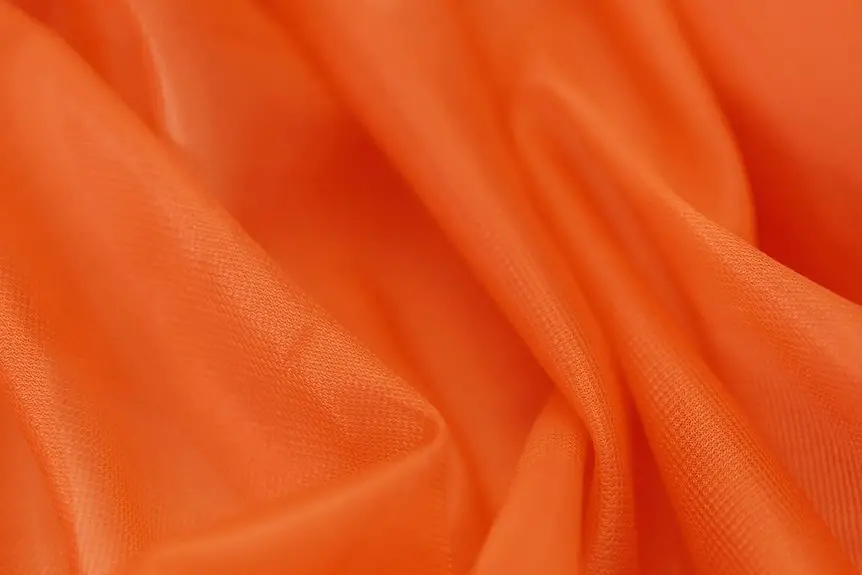
Spunbond nonwoven fabrics offer you lightweight, durable, and breathable materials made by bonding continuous polymer filaments. You’ll find them strong and chemical-resistant, perfect for healthcare, agriculture, fashion, and packaging uses. Their cost efficiency and ability to resist tearing make them superior to traditional textiles. While they’re eco-friendlier than many fabrics, sustainability still requires mindful production and disposal. Keep exploring, and you’ll uncover how these fabrics shape industries and their growing role in sustainable innovation.
Key Takeaways
- Spunbond nonwoven fabrics are durable, breathable materials made by bonding continuous thermoplastic filaments into a strong, lightweight web.
- The manufacturing process involves melting polymers, extrusion through spinnerets, web formation, and heat-pressure bonding.
- Key properties include high tensile strength, chemical resistance, breathability, and uniformity, making them versatile for many industries.
- Common applications span healthcare, agriculture, fashion, packaging, and hygiene due to their durability and cost efficiency.
- Sustainability efforts focus on recycled materials, energy-efficient production, and responsible disposal to reduce environmental impact.
What Are Spunbond Nonwoven Fabrics?
Spunbond nonwoven fabrics are lightweight materials made by directly bonding continuous filaments of thermoplastic polymers.
Spunbond nonwoven fabrics are lightweight, durable materials crafted by bonding continuous thermoplastic filaments.
When you use these fabrics, you benefit from their strength and durability despite their light weight. They’re designed to provide excellent breathability and resistance to tearing, making them ideal for various applications.
You’ll find them in medical supplies, hygiene products, agricultural covers, and even packaging. Because they don’t unravel like woven fabrics, spunbond materials maintain their integrity during use.
Plus, their smooth surface makes them comfortable and easy to handle. When selecting a fabric for your project, spunbond nonwovens offer a great balance of performance and cost-effectiveness, especially if you need reliable, disposable, or reusable options.
The Manufacturing Process of Spunbond Fabrics
Understanding how these fabrics are made helps you appreciate their unique properties and versatility. The process begins with melting polymer granules, typically polypropylene, into a liquid form.
You then extrude this liquid through spinnerets, creating continuous filaments. These filaments cool rapidly in the air, solidifying into fine fibers.
Next, you lay these fibers randomly on a moving conveyor belt, forming a web. To bond the fibers together, you apply heat and pressure using heated rollers or calendering. This step fuses the fibers without weaving, giving spunbond fabrics their strength and durability.
Finally, you roll up the finished fabric for inspection and further processing. This efficient, continuous production method allows you to create large quantities of lightweight, strong nonwoven fabric quickly.
Key Properties and Characteristics
Durability and versatility define these nonwoven fabrics, making them ideal for various applications. You’ll find spunbond fabrics resistant to tearing and stretching, yet lightweight and breathable. Their moisture resistance and chemical inertness guarantee long-lasting performance in demanding environments. Plus, they offer excellent uniformity and strength, which means you can rely on them for consistent quality.
Here’s a quick look at key properties:
| Property | Description | Benefit |
|---|---|---|
| Tensile Strength | High resistance to breaking | Supports durability |
| Breathability | Allows air and moisture flow | Enhances comfort and usability |
| Chemical Resistance | Withstands exposure to chemicals | Ideal for medical and industrial use |
| Lightweight | Low weight per unit area | Easy to handle and transport |
These traits make spunbond fabrics a smart choice for you.
Common Types of Spunbond Materials
Although these fabrics share common features, the materials used in their production vary to suit specific needs.
You’ll mostly encounter spunbond fabrics made from polypropylene, polyester, and polyethylene.
Polypropylene is the most popular choice due to its lightweight nature, durability, and resistance to moisture.
Polyester spunbond fabrics offer excellent strength and thermal stability, making them ideal for applications requiring heat resistance.
Polyethylene spunbond materials provide good chemical resistance and flexibility, often used in packaging and protective covers.
Depending on your project, you might also find blends or specialty fibers designed to enhance filtration, softness, or barrier properties.
Understanding these common types helps you pick the right spunbond fabric that matches your performance expectations and cost considerations perfectly.
Advantages Over Traditional Textiles
You’ll find spunbond nonwoven fabrics offer impressive durability and strength compared to traditional textiles.
They handle wear and tear better, making them a reliable choice for many uses.
Plus, their cost efficiency means you get more value without sacrificing quality.
Durability and Strength
When you compare spunbond nonwoven fabrics to traditional textiles, you’ll notice they offer superior strength without added weight. This durability means you get lasting performance in demanding applications.
Here’s why spunbond stands out:
- Tensile Strength: Spunbond fabrics resist tearing and stretching better than many woven textiles, ensuring reliability during use.
- Abrasion Resistance: Their surface withstands friction and wear, making them ideal for repeated handling or contact.
- Moisture Resistance: Unlike some traditional textiles that weaken when wet, spunbond fabrics maintain integrity, extending their lifespan.
Cost Efficiency Benefits
Because spunbond nonwoven fabrics combine durability with lightweight construction, they save you money over time compared to traditional textiles. You’ll find lower production costs since these fabrics require less energy and raw material to manufacture. Plus, their resistance to wear and tear means fewer replacements, cutting long-term expenses. Spunbond fabrics also reduce transportation costs because they weigh less, and their versatility lets you use them in many applications without switching materials.
| Benefit | Spunbond Nonwoven Fabrics | Traditional Textiles |
|---|---|---|
| Manufacturing Cost | Low | Higher |
| Longevity | High | Moderate |
| Transportation | Cost-efficient (lightweight) | More expensive (heavier) |
Choosing spunbond fabrics means you get cost-effective, reliable material without compromising quality.
Applications in Healthcare and Medical Fields
Although spunbond nonwoven fabrics might seem simple, they play a crucial role in healthcare and medical fields by providing reliable, hygienic, and cost-effective materials.
Spunbond nonwoven fabrics are essential for reliable, hygienic, and affordable healthcare solutions.
When you choose these fabrics, you get durability and excellent barrier properties that protect both patients and healthcare workers.
Here are three key applications you’ll find invaluable:
- Surgical Gowns and Drapes: They offer fluid resistance and breathability, keeping you safe during procedures.
- Face Masks and Respirators: Their fine fibers filter particles efficiently, helping reduce infection risks.
- Disposable Medical Supplies: Items like caps, shoe covers, and wound dressings use spunbond fabrics for sterility and comfort.
Using spunbond nonwoven fabrics guarantees you maintain high hygiene standards without sacrificing affordability or performance.
Use of Spunbond Fabrics in Agriculture
If you want to boost crop yield and protect plants efficiently, spunbond fabrics offer a smart solution in agriculture.
You can use these durable, lightweight materials as crop covers to shield plants from frost, pests, and harsh sunlight without blocking air or moisture. They help maintain ideal growing conditions, reducing the need for chemical pesticides.
When you lay spunbond fabrics over seedlings, they create a microclimate that accelerates growth and extends the growing season.
You’ll also find these fabrics useful for weed control, as they block sunlight while allowing water and nutrients to pass through.
Role in Fashion and Apparel Industry
You’ll find spunbond nonwoven fabrics offer great versatility in apparel design, letting you create innovative styles with ease.
They’re also gaining popularity because they’re sustainable and eco-friendly, helping reduce fashion’s environmental impact.
Let’s explore how these fabrics are changing the way you approach fashion and apparel.
Versatility in Apparel Design
When you explore modern fashion, spunbond nonwoven fabrics play an essential role in pushing creative boundaries. Their adaptability lets you experiment with textures, shapes, and layering without heavy costs or complex processes.
Whether you’re designing high-fashion pieces or functional wear, these fabrics help you innovate efficiently.
Here’s how spunbond nonwovens boost your apparel design:
- Customization: Easily incorporate colors, prints, and finishes to match your vision.
- Lightweight Structure: Create bold silhouettes without added bulk, enhancing comfort and style.
- Durability: Guarantee your designs withstand wear and maintain shape, perfect for activewear or statement pieces.
Sustainability and Eco-Friendliness
Beyond enhancing design possibilities, spunbond nonwoven fabrics also contribute greatly to sustainability in fashion.
When you choose spunbond materials, you’re opting for lightweight, durable fabrics that require less energy and water to produce compared to traditional textiles. These fabrics often come from recyclable or biodegradable sources, reducing landfill waste.
Plus, their production generates fewer harmful emissions, supporting eco-friendly manufacturing practices. You can also find spunbond fabrics made from recycled polymers, helping close the loop in circular fashion.
By integrating these materials into your apparel line, you minimize environmental impact without compromising quality or style.
Embracing spunbond nonwovens lets you lead the charge toward greener fashion, proving that sustainability and innovation go hand in hand.
Environmental Impact and Sustainability Practices
Although spunbond nonwoven fabrics offer many advantages, they also pose environmental challenges that you should consider.
Their production relies heavily on petrochemicals, which contributes to carbon emissions and resource depletion. However, you can adopt sustainability practices to reduce their impact.
Here are three key steps to improve environmental outcomes:
- Choose recycled or bio-based raw materials to lower reliance on fossil fuels.
- Implement energy-efficient manufacturing processes to cut greenhouse gas emissions.
- Promote recycling and proper disposal to minimize landfill waste and pollution.
Frequently Asked Questions
How Do Spunbond Fabrics Compare in Cost to Other Nonwovens?
Spunbond fabrics stand strong with surprisingly sustainable savings compared to other nonwovens. You’ll find they’re cost-effective, combining durability and design, making them a smart, sturdy selection without sacrificing style or strength in your projects.
Can Spunbond Fabrics Be Recycled Effectively?
You can recycle spunbond fabrics, but effectiveness depends on local facilities and contamination levels. Since they’re made from polypropylene, they’re recyclable, but you’ll need to check if your recycling center accepts them to guarantee proper processing.
What Are the Common Challenges in Spinning Spunbond Fibers?
You’ll face challenges in controlling fiber uniformity, maintaining consistent filament diameter, and preventing fiber breakage. You’ll need to optimize temperature, pressure, and speed carefully to produce high-quality spunbond fibers every time.
Are There Any Safety Concerns When Handling Spunbond Fabrics?
You should watch for dust and fine fibers that might irritate your skin or lungs when handling spunbond fabrics. Wearing gloves and masks helps protect you, especially during cutting or processing to avoid inhalation or contact issues.
How Does Humidity Affect the Performance of Spunbond Materials?
You might think humidity has little impact, but it actually changes spunbond materials’ strength and flexibility. When moisture rises, these fabrics can weaken or stiffen, so you’ll need to adjust storage and usage accordingly.