
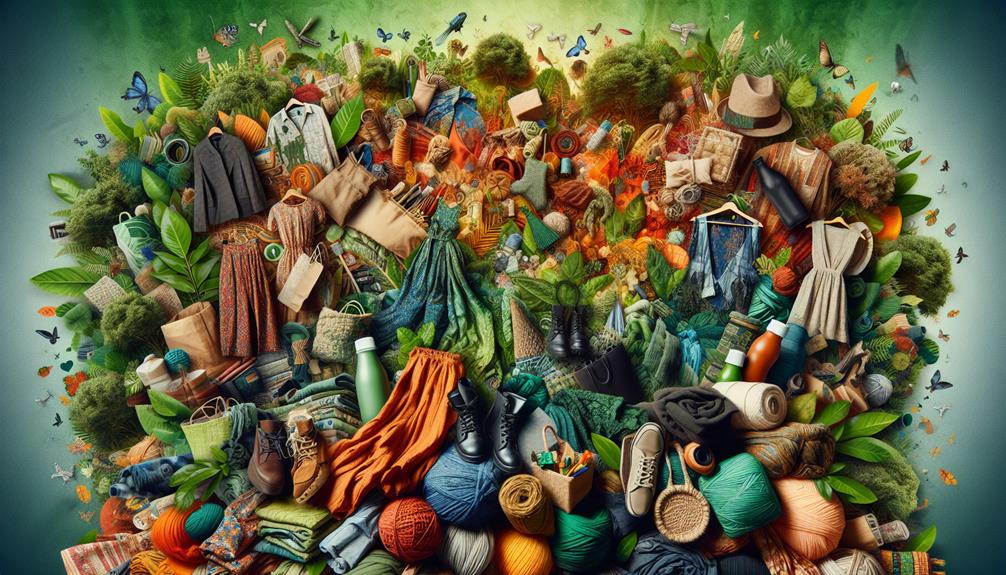
In the intricate dance of fashion evolution, sustainable practices are taking center stage, subtly transforming how you view your wardrobe choices. You're likely noticing innovative materials like vegan leather from pineapple leaves and upcycled denim making waves. Circular fashion is gaining momentum, with recycled and organic materials becoming staples. Transparent supply chains and ethical sourcing are essential, ensuring fair trade and responsible production. The slow fashion movement is also encouraging you to prioritize quality over quantity. Curious about how these trends are reshaping the industry and your role in it? There's much more to explore.
Key Takeaways
- Vegan leather from pineapple leaves or apple peels offers cruelty-free alternatives.
- Circular fashion promotes eco-friendly designs and take-back programs to reduce waste.
- Transparent supply chains ensure ethical production and fair wages.
- Ethical sourcing practices support fair trade certification and eco-friendly fibers.
- The slow fashion movement emphasizes quality, artisan craftsmanship, and durable pieces.
Innovative Materials
One of the key trends in sustainable fashion is the use of innovative materials that reduce environmental impact. You know that traditional materials often come at a high environmental cost, so embracing alternatives like vegan leather and upcycled denim can greatly lessen your footprint.
Vegan leather, often made from materials like pineapple leaves or apple peels, offers a cruelty-free option that doesn't compromise on style or durability.
Upcycled denim goes a step further by giving new life to old jeans, turning them into unique, fashion-forward pieces. When you choose upcycled denim, you're not just getting a one-of-a-kind item—you're also reducing waste and conserving resources.
Bio-based fabrics are another game-changer. Derived from renewable sources like corn, algae, and even mushrooms, these fabrics break down more easily than their synthetic counterparts. They offer a versatile range of textures and uses, fitting seamlessly into any wardrobe.
Meanwhile, recycled polyester, made from post-consumer plastic bottles, provides a sustainable alternative to virgin polyester. It's durable, functional, and helps mitigate plastic waste.
Circular Fashion
Circular fashion aims to create a closed-loop system where waste is minimized and materials are continuously reused. By embracing eco-friendly designs and sustainable practices, you can contribute to a more responsible fashion industry. This approach revolves around the principles of waste reduction and conscious consumption, ensuring that every part of the garment lifecycle is thoughtfully managed.
To excel in circular fashion, consider the following:
- Choose eco-friendly designs: Opt for clothing made from recycled or organic materials. Brands committed to sustainability often use innovative techniques to minimize environmental impact.
- Support closed-loop systems: Look for brands that offer take-back programs. These programs recycle your old clothes into new garments, effectively closing the loop and reducing waste.
- Practice conscious consumption: Buy less but choose wisely. Invest in high-quality items that last longer and have a timeless appeal, reducing the need for constant replacements.
Embracing circular fashion isn't just about following trends; it's about mastering a lifestyle that values sustainability and responsibility. By making these intentional choices, you can markedly impact the fashion industry's trajectory towards a greener future.
Transparent Supply Chains
Understanding the journey your clothes take from raw materials to finished products is vital in promoting a sustainable fashion industry. You need to be aware of every step in the supply chain, from the sourcing of fibers to the final stitching of garments.
Transparent supply chains offer you a clear view of these processes, guaranteeing that ethical production practices are followed. By demanding transparency, you support brands that commit to fair trade principles. This means workers are paid fair wages and work in safe conditions.
You're not just buying clothes; you're investing in a system that respects the dignity of its workers and the environment. Transparent supply chains reveal the true cost of production, allowing you to make informed choices and hold brands accountable.
When brands disclose their suppliers, production methods, and labor practices, they're building trust with consumers like you. This transparency guarantees that the materials used are sustainably sourced and ethically produced.
It's about more than just the end product; it's about the entire process. By prioritizing brands with transparent supply chains, you contribute to a fashion industry that values integrity and sustainability.
Ethical Sourcing
Ethical sourcing safeguards that the materials and labor behind your clothing are obtained in a manner that respects both human rights and the environment. By choosing brands committed to ethical sourcing, you're making a powerful statement. You're not just buying clothes; you're supporting fair trade practices that guarantee workers are paid fairly and work in safe conditions.
Additionally, you're opting for eco-friendly fibers, which minimize environmental damage.
When you prioritize ethical sourcing, you contribute to a more sustainable and just fashion industry. Here's what to look for:
- Fair Trade Certification: This guarantees workers receive fair wages and work in safe, humane conditions.
- Eco Friendly Fibers: Opt for materials like organic cotton, Tencel, or recycled fabrics that lessen environmental impact.
- Transparent Supply Chains: Companies that disclose their sourcing practices and labor conditions are more likely to be ethically responsible.
Mastering the art of ethical sourcing means you're not just a consumer; you're an advocate for a better world. By making informed choices, you push the fashion industry toward greater accountability and sustainability. It's a small step with a big impact, and it starts with the clothes you choose to wear.
Slow Fashion Movement
Building on the principles of ethical sourcing, the Slow Fashion Movement emphasizes quality over quantity, advocating for thoughtful consumption and long-lasting wardrobe staples. You'll find that it encourages investing in pieces made with artisan craftsmanship, ensuring each garment is unique and durable. This movement is a response to fast fashion's disposable culture, urging you to be more intentional with your fashion choices.
One key concept within slow fashion is the idea of capsule collections. These are curated wardrobes composed of versatile, timeless pieces that you can mix and match, reducing the need for constant purchasing and helping you develop a personal style that stands the test of time.
Here's a quick breakdown to help you understand the core elements of slow fashion:
| Element | Description | Benefit |
|---|---|---|
| Artisan Craftsmanship | Handcrafted, quality materials | Longevity and uniqueness |
| Capsule Collections | Minimal, versatile wardrobes | Simplifies outfit choices |
| Thoughtful Consumption | Deliberate, mindful purchasing | Reduces waste and environmental impact |
Frequently Asked Questions
How Can Consumers Identify Genuinely Sustainable Brands?
To identify truly sustainable brands, you should focus on greenwashing detection and look for ethical certifications. Check for transparency standards and scrutinize the supply chain. It's crucial to verify claims and guarantee brands adhere to authentic practices.
What Are Some Eco-Friendly Laundry Practices for Sustainable Fashion?
To embrace eco-friendly laundry practices, use green detergents and water-saving techniques. Opt for energy-efficient wash cycles and focus on natural fabrics. These steps guarantee you're maintaining sustainability while extending the life of your garments.
Are There Affordable Options for Sustainable Clothing?
You'll find a treasure trove of affordable sustainable clothing options! Thrift shopping and upcycling are your best friends. Embrace DIY projects and eco-friendly fabrics to create stylish, unique pieces without breaking the bank.
How Does Sustainable Fashion Impact Job Creation in Local Communities?
Sustainable fashion boosts job creation in local communities by supporting the local economy and promoting ethical practices. You'll see increased opportunities in manufacturing, design, and retail sectors, fostering a more responsible and sustainable industry environment.
What Are the Best Ways to Repurpose Old Clothes Sustainably?
You should explore upcycling techniques and embrace zero waste fashion by transforming old clothes into new items. Participate in the circular economy through textile recycling, ensuring that every garment enjoys a second life with minimal waste.