
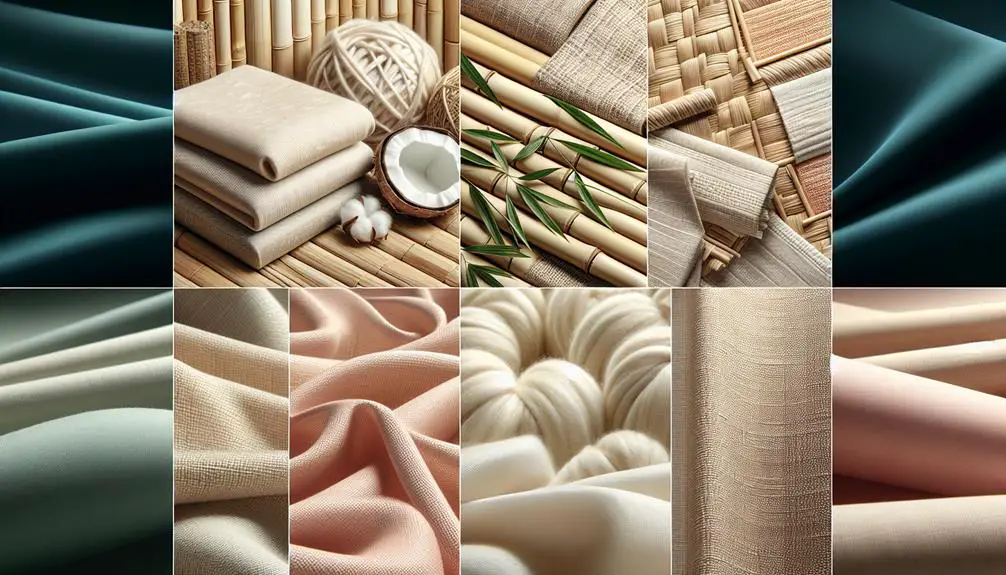
If you have sensitive skin, you know how important it is to choose fabrics that won't cause irritation. Hypoallergenic fabrics like organic cotton, bamboo, and silk offer excellent comfort and skin benefits due to their natural properties. These materials are not only soft and breathable but also resistant to allergens like dust mites and mold. You might be wondering, though, how each of these fabrics specifically helps to keep your skin healthy and what sets them apart from conventional options. Let's explore what makes these top choices so beneficial for sensitive skin.
Key Takeaways
- Organic cotton is free from harsh chemicals and offers excellent moisture-wicking abilities for sensitive skin.
- Bamboo fabric is naturally antibacterial and incredibly soft, reducing skin irritation and allergic reactions.
- Linen provides breathability and natural resistance to dust mites, ideal for those with skin conditions like eczema.
- Silk is gentle on the skin and has natural antibacterial properties, keeping fabric fresh and odor-free.
- Tencel is derived from renewable resources, offering superior moisture-wicking and hypoallergenic properties for sensitive skin.
Organic Cotton
Choosing organic cotton can greatly reduce skin irritation and allergic reactions. When you opt for organic cotton, you're choosing a fabric that's free from harsh chemicals and pesticides, making it an excellent choice for those with skin sensitivity. Its hypoallergenic properties mean fewer instances of itching, redness, and discomfort, allowing your skin to breathe and stay calm.
But there's more to organic cotton than just its benefits for your skin. It also offers significant sustainability benefits. Unlike conventional cotton, organic cotton farming practices aim to reduce environmental impact by using natural pest control methods and organic fertilizers. This means less soil degradation and water contamination, contributing to a healthier planet.
From an environmental standpoint, organic cotton production often uses less water and energy, further reducing its ecological footprint. By choosing organic cotton, you're not only taking care of your skin but also supporting a more sustainable and eco-friendly textile industry.
Bamboo Fabric
You'll find bamboo fabric to be an excellent choice for sensitive skin due to its natural antibacterial properties.
It also excels at wicking moisture away, helping you stay dry and comfortable.
Plus, bamboo fabric is incredibly soft, offering unmatched comfort for everyday wear.
Natural Antibacterial Properties
Bamboo fabric stands out for its natural antibacterial properties, making it an excellent choice for those with sensitive skin. Unlike other materials, bamboo contains a bio-agent called 'bamboo kun' that resists harmful bacteria and microbes. This natural defense mechanism guarantees that the fabric remains fresh and odor-free, providing you with an extra layer of protection.
When you wear bamboo, you're not just opting for comfort; you're also safeguarding your skin against potential irritants.
Comparatively, silk benefits from its own antibacterial properties, but bamboo fabric offers superior sensitive skin comfort. Silk's delicate texture makes it ideal for reducing friction and preventing skin irritation, yet bamboo takes it a step further. Its inherent antibacterial nature directly combats the growth of bacteria, which is particularly beneficial if you have skin conditions like eczema or psoriasis.
You'll find that bamboo's hypoallergenic qualities make it a top-tier fabric for everyday wear, especially in undergarments and sleepwear.
Choosing bamboo fabric means embracing a holistic approach to skin health. Its natural antibacterial properties not only enhance comfort but also contribute to overall skin wellness. Prioritize your sensitive skin by integrating bamboo into your wardrobe.
Moisture-Wicking Abilities
When it comes to moisture-wicking capabilities, bamboo fabric excels by keeping your skin dry and comfortable. You'll find that its quick drying technology is second to none, ensuring that sweat is rapidly absorbed and evaporated. This feature not only helps in maintaining prime skin health but also prevents skin irritation that often results from prolonged dampness.
Imagine wearing a fabric that actively works to pull moisture away from your skin the moment you start to sweat. Bamboo fabric's superior sweat absorption capabilities are designed to do just that. This guarantees that your skin remains dry, reducing the risk of bacterial growth and subsequent skin issues.
For those with sensitive skin, this is a game-changer. The natural fibers in bamboo fabric are engineered to provide excellent breathability, making it an ideal choice for warm climates or high-intensity activities. By keeping your skin dry, bamboo fabric helps to prevent chafing and irritation, which are common problems associated with other materials.
Incorporating bamboo fabric into your wardrobe means you're investing in a material that prioritizes your skin's health. It's a proactive approach to managing sweat and maintaining comfort, all while being considerate to your sensitive skin.
Softness and Comfort
In addition to its impressive moisture-wicking capabilities, bamboo fabric offers unparalleled softness and comfort for those with sensitive skin. This remarkable material is one of the most skin-friendly options available, making it perfect if you're seeking hypoallergenic benefits.
Bamboo's fibers are naturally smooth and round, creating gentle fabrics that caress your skin rather than irritate it. This means you'll experience less friction and fewer chances of aggravating any existing skin conditions.
When you wear bamboo fabric, you'll notice immediate sensitivity relief. The softness of bamboo textiles rivals that of luxury fabrics like silk and cashmere, but without the associated cost or care complexity. This makes bamboo a practical yet indulgent choice for everyday wear.
Additionally, bamboo's hypoallergenic benefits stem from its natural resistance to dust mites and mold, further protecting your skin from potential allergens.
If you're tired of dealing with fabrics that exacerbate your skin issues, consider adding bamboo to your wardrobe. Its gentle, breathable nature ensures you'll stay comfortable throughout the day while enjoying the peace of mind that comes from choosing a truly skin-friendly option.
Master the art of dressing for sensitive skin by embracing bamboo fabric.
Linen
Linen is a fantastic choice for those with sensitive skin due to its natural fiber benefits.
You'll appreciate its impressive moisture-wicking properties, which help keep your skin dry and comfortable.
Plus, linen's breathability guarantees you stay cool and irritation-free.
Natural Fiber Benefits
You'll love how linen's breathable nature keeps your skin cool and comfortable. It's a fabric that stands out for its exceptional health benefits and minimal environmental impact.
Linen is derived from the flax plant, which requires fewer pesticides and water than cotton, making it an eco-friendly choice. Its hypoallergenic properties mean it's less likely to cause skin irritation or allergic reactions, an essential feature for those with sensitive skin.
The allergen resistance of linen doesn't just stop at its natural composition. Linen fibers actively repel dust mites and other common allergens, which can exacerbate skin sensitivities. This makes linen an excellent option if you're looking to minimize exposure to irritants.
Additionally, linen's durability is unmatched; it becomes softer and stronger with each wash, ensuring long-lasting comfort without compromising on quality.
Choosing linen also means investing in a fabric that supports both your health and the environment. Its inherent properties offer you a cleaner, greener living space while providing relief from common allergens.
With linen, you're not just buying a fabric; you're making a lifestyle choice that benefits both your skin and the planet.
Moisture-Wicking Properties
Thanks to its natural moisture-absorbing properties, linen efficiently draws sweat away from your skin, keeping you dry and comfortable. This inherent characteristic makes linen an exceptional choice for anyone with sensitive skin.
The fabric's lightweight design guarantees all-day comfort, allowing you to move freely without feeling weighed down. You'll appreciate this especially during warmer months or in humid climates, where maintaining dryness is essential for skin health.
Linen's quick drying technology further enhances its appeal. By rapidly dispersing moisture, it minimizes the time your skin remains damp, greatly reducing the risk of irritation or fungal infections.
This quick-drying capability also contributes to effective odor control, as bacteria responsible for unpleasant smells thrive in moist environments. With linen, you won't have to worry about lingering odors, even after a long day.
For those seeking hypoallergenic fabrics, linen stands out as a top contender. Its moisture-absorbing properties not only keep you dry but also maintain your skin in ideal condition. By choosing linen, you're investing in a fabric that blends functionality with comfort, perfectly catering to your need for both skin-friendly and high-performance clothing.
Breathability and Comfort
Beyond its moisture-wicking capabilities, you'll find linen excels in breathability and overall comfort. This fabric offers a remarkable solution for anyone dealing with skin sensitivity. Linen's natural fibers allow for exceptional air circulation, making it ideal for maintaining ideal temperature regulation.
When you wear linen, your skin can breathe freely, reducing the risk of irritation and discomfort, especially in hot or humid conditions.
One of the standout features of linen is its ability to remain allergen free. Unlike synthetic fabrics, which can trap dust and allergens, linen's structure naturally resists these irritants. This makes linen an excellent choice for those prone to allergies or with sensitive skin.
You'll appreciate how linen's breathability enhances your comfort throughout the day, regardless of the season.
Moreover, linen's texture adds to its comfort. The fabric softens with each wash, creating a luxurious feel against your skin. This means you won't just stay cool and comfortable, but you'll also enjoy the tactile pleasure of wearing linen.
Silk
Silk is a luxurious fabric known for its smooth texture and natural hypoallergenic properties, making it ideal for sensitive skin. You'll love how silk benefits your skin by reducing irritation and providing a gentle touch.
Additionally, silk is sustainable; it's a natural fiber that biodegrades and has a smaller environmental footprint compared to synthetic materials.
Silk production involves harvesting silk threads from silkworm cocoons, a process that has been refined over millennia. This meticulous craft results in a fabric that's not only exquisite but also kind to your skin.
To maintain silk's integrity, follow these care instructions: hand wash in cold water with mild detergent, or use a gentle cycle in the washing machine with a mesh laundry bag. Always air dry to preserve the fabric's structure and sheen.
Here are three reasons why silk is perfect for sensitive skin:
- Hypoallergenic: Silk naturally repels common allergens like dust mites and mold.
- Moisture-wicking: It helps regulate temperature by absorbing moisture, keeping you cool and dry.
- Gentle Texture: Its smooth surface reduces friction, preventing irritation and promoting skin health.
Hemp
Hemp is a sturdy and breathable material that's ideal for individuals with sensitive skin. You'll appreciate its impressive strength, which ensures your clothes will last longer, reducing the need for frequent replacements. This not only saves you money but also contributes to hemp sustainability, making it an eco-conscious choice.
One of hemp's standout features is its moisture-wicking capabilities. If you have sensitive skin, you understand how crucial it's to keep it dry to prevent irritation. Hemp fabric excels in drawing moisture away from your skin, keeping you comfortable throughout the day. Whether it's a scorching summer day or a demanding workout, hemp guarantees you remain dry and irritation-free.
Hemp also offers remarkable adaptability. It can be utilized to create a wide variety of clothing items, from everyday wear to more formal garments. This flexibility means you can experience the benefits of hemp's durability and moisture-wicking properties in almost any wardrobe piece.
Additionally, hemp's natural fibers are less likely to trigger allergic reactions, making it a prime option for individuals prone to allergies. By opting for hemp, you're investing in a material that prioritizes both your comfort and the planet's well-being.
Tencel
Tencel, crafted from sustainably sourced wood pulp, is a hypoallergenic material suitable for individuals with sensitive skin. Its manufacturing process is both eco-conscious and effective, guaranteeing minimal environmental impact. You'll value how this material combines opulence with accountability. Tencel's sleek fibers are less likely to trigger irritation, making it highly appropriate for individuals dealing with allergies or skin sensitivities.
One of the most enticing aspects of Tencel is its adaptability. This material is utilized in various uses, from apparel to household textiles, providing you with a wide array of choices. Its strong fibers guarantee that your clothes and beddings will have a longer lifespan, offering exceptional worth for your investment. Here's why you'll adore Tencel:
- Softness and Comfort: The material's polished texture feels gentle against your skin, decreasing the likelihood of irritation.
- Moisture Management: Tencel efficiently absorbs moisture, keeping your skin dry and at ease.
- Sustainable Production: The environmentally friendly production process guarantees minimal waste and energy consumption.
Incorporating Tencel into your closet and household not only benefits your skin but also promotes a more sustainable planet. Embrace this accountable selection and relish its numerous advantages.
Modal
Modal, derived from beech tree pulp, is another excellent hypoallergenic fabric that offers a soft and breathable option for sensitive skin. You'll love how it feels against your skin, providing comfort without irritation. Modal sustainability is a major plus; it's harvested from renewable resources, making it an eco-friendly choice. This fabric is not only kind to your skin but also to the planet.
Modal's durability guarantees that your clothing and bedding last longer, even with frequent washing. The fabric resists shrinking and fading, maintaining its luxurious softness. One of the standout qualities of Modal is its drape. It flows beautifully, giving garments a high-end look and feel. Whether you're wearing it or sleeping in it, Modal's versatility can't be overstated.
Here's a quick look at why Modal is a fantastic choice:
| Feature | Benefit | Emotion |
|---|---|---|
| Sustainability | Eco-friendly | Feel good about your choice |
| Durability | Long-lasting softness | Peace of mind |
| Drape | Luxurious appearance | Confidence in style |
Frequently Asked Questions
How Do I Test if a Fabric Is Hypoallergenic?
To test if a fabric is hypoallergenic, apply it to a small skin area. Observe for any signs of fabric sensitivity or skin irritation over 24 hours. If there's no reaction, the fabric is likely hypoallergenic.
Are Hypoallergenic Fabrics Suitable for Children and Babies?
Did you know 10% of children have sensitive skin? Choosing hypoallergenic fabrics for baby clothing, especially organic options, guarantees comfort. These fabric choices decrease irritation, making them ideal for your little one's sensitive skin.
Can Hypoallergenic Fabrics Help With Eczema or Psoriasis?
Yes, hypoallergenic fabrics can help with eczema or psoriasis. They offer natural remedies by reducing irritation and inflammation, providing relief for skin conditions. Choose fabrics like organic cotton or bamboo to improve your skin's comfort.
What Are the Care Instructions for Maintaining Hypoallergenic Fabrics?
Because you've got so much free time, right? For fabric maintenance, wash hypoallergenic fabrics with mild detergent. For fabric storage, fold them neatly and avoid damp areas. Mastery involves diligence, even in fabric care.
Are There Any Synthetic Hypoallergenic Fabrics Available?
Yes, there are synthetic hypoallergenic fabrics available. When comparing natural vs synthetic, consider the benefits and drawbacks. Synthetics often offer durability and affordability, but natural fabrics may provide better breathability and environmental benefits.