
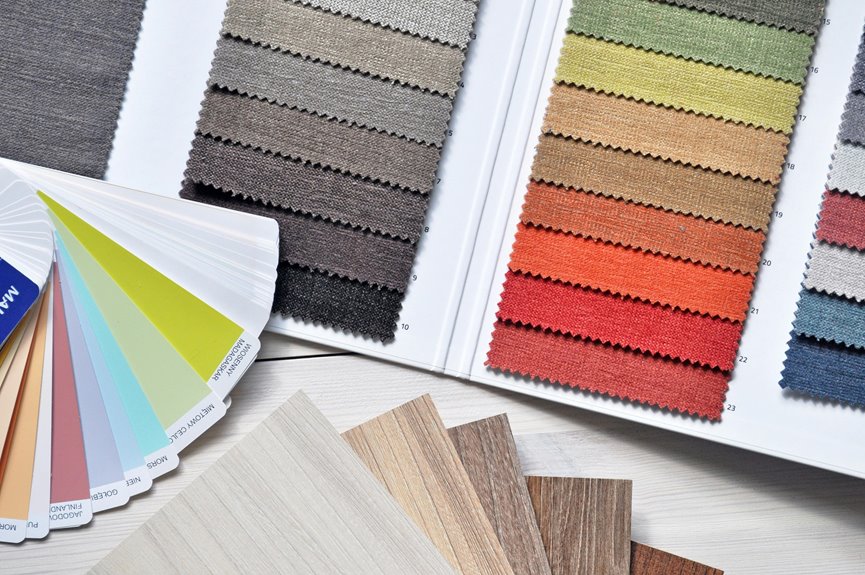
You use nonwoven fabrics daily in many ways. They protect you in medical gear like masks and gowns, and keep you comfortable in diapers and wipes. They filter air and water efficiently, improving safety at home and work. Nonwovens reduce noise and boost comfort in cars and furniture. They also strengthen packaging and add style to clothes. Plus, they help protect the environment by controlling erosion and managing waste. Explore further to see how versatile these fabrics can be.
Key Takeaways
- Nonwoven fabrics are essential in medical products like surgical gowns, masks, and wound dressings for infection control and safety.
- They provide superior absorption and softness in hygiene items such as diapers, sanitary pads, and wipes.
- Nonwovens enhance filtration efficiency in air and water purification systems by trapping contaminants while maintaining airflow.
- Automotive uses include noise reduction, insulation, and cabin air filtration, improving comfort and vehicle efficiency.
- Packaging and apparel benefit from nonwovens’ durability, moisture resistance, lightweight nature, and customizable designs.
Medical and Healthcare Products
Although you mightn’t always see them, nonwoven fabrics play an essential role in medical and healthcare products. You rely on these materials for items like surgical gowns, masks, and drapes, which provide critical barriers against infection.
When you visit a hospital, many disposable products you encounter—such as wound dressings and sterilization wraps—use nonwoven fabrics because they’re breathable yet resistant to contaminants. These fabrics also make procedures safer by reducing the risk of cross-contamination.
You’ll find them in filters for respirators, too, helping protect both patients and healthcare workers. Thanks to their lightweight, durable, and cost-effective nature, nonwoven fabrics enhance hygiene and safety without compromising comfort during medical treatments and procedures.
Hygiene and Personal Care Items
You use nonwoven fabrics every day in hygiene and personal care items like diapers, sanitary pads, and wipes.
These fabrics offer excellent absorbency, softness, and breathability, ensuring comfort and effective moisture management. When you grab a baby diaper, nonwoven layers help keep your child dry by quickly absorbing liquid and locking it away.
Sanitary pads rely on nonwovens for their soft texture and reliable fluid absorption, preventing leaks and irritation.
Wipes, whether for cleaning or makeup removal, benefit from nonwoven fabrics’ strength and gentle touch on your skin.
These materials are lightweight, disposable, and cost-effective, making them ideal for single-use personal care products.
Their versatility means you get hygiene products that are safe, comfortable, and efficient every time you use them.
Filtration Systems
When you think about filtration systems, nonwoven fabrics play a key role in boosting air filtration efficiency and keeping water clean.
You’ll find these materials essential in industrial dust control too, where they trap harmful particles effectively.
Let’s explore how these fabrics make filtration smarter and more reliable.
Air Filtration Efficiency
Air filtration efficiency plays an essential role in determining how well a filtration system captures airborne particles and contaminants.
When you rely on nonwoven fabrics for air filtration, you benefit from their unique fiber arrangement, which traps dust, pollen, bacteria, and even viruses effectively. These fabrics offer high filtration performance with low airflow resistance, ensuring that air passes through smoothly without compromising quality.
You’ll find nonwoven materials in HVAC filters, face masks, and cleanroom environments, where maintaining air purity is critical. By choosing the right nonwoven fabric, you enhance filtration efficiency and extend the filter’s lifespan.
Water Purification Uses
Water purification relies heavily on nonwoven fabrics to remove impurities effectively from various water sources. When you use filtration systems incorporating these fabrics, you benefit from their high porosity and fine fiber structure, which trap sediments, bacteria, and other contaminants efficiently.
You’ll find them in municipal water treatment plants, portable water filters, and even household purifiers. Their durability and chemical resistance guarantee consistent performance without frequent replacements.
Plus, their lightweight and flexible nature makes installation and maintenance easier for you. By choosing nonwoven fabrics in your filtration setup, you’re enhancing water clarity and safety while reducing operational costs.
These fabrics provide a reliable barrier against pollutants, helping you maintain clean water for drinking, irrigation, or industrial processes.
Industrial Dust Control
Although industrial environments generate vast amounts of dust, nonwoven fabrics play an essential role in keeping your workspace clean and safe. These fabrics are widely used in filtration systems to capture fine particles and prevent them from polluting the air. By integrating nonwoven filters, you improve air quality, protect machinery, and safeguard workers’ health. Their durability and high filtration efficiency make them ideal for various industries.
| Application Area | Nonwoven Fabric Type | Benefit |
|---|---|---|
| Cement Plants | Needle-punched | High dust retention |
| Metalworking | Melt-blown | Fine particle filtration |
| Woodworking | Spunbond | Durable and washable |
| Pharmaceuticals | Electrospun | Microbial contamination control |
| Food Processing | Composite | Food-grade air purity |
Automotive Industry Applications
When you step into a car, nonwoven fabrics play an essential role in your comfort and safety.
These materials are integral in reducing noise, enhancing insulation, and providing durability without adding extra weight. You’ll find them in various parts, improving your driving experience and vehicle efficiency.
Nonwoven fabrics contribute to:
- Sound absorption in door panels and headliners, keeping your ride quieter.
- Filtration systems, ensuring clean air inside the cabin.
- Lightweight insulation materials that help regulate temperature and improve fuel efficiency.
Construction and Geotextiles
Since construction projects demand materials that combine strength with flexibility, nonwoven fabrics have become vital in this field.
Nonwoven fabrics are essential in construction for their unique blend of strength and flexibility.
You’ll find these fabrics used in geotextiles to stabilize soil, improve drainage, and prevent erosion on sites. They act as filters, allowing water to pass while keeping soil in place, which is essential for road construction and retaining walls.
When you work on foundations or embankments, nonwoven geotextiles reinforce the ground, increasing durability and reducing maintenance costs. Plus, they’re lightweight and easy to install, saving you time and labor.
Their resistance to chemicals and UV rays means they perform well in harsh environments.
Agriculture and Crop Protection
If you want to protect your crops from pests, weather, and weeds, nonwoven fabrics offer practical solutions. These fabrics act as effective barriers, helping you maintain healthy plants and boost yields. You can rely on them for:
- Pest control: Nonwoven covers prevent insects from reaching your plants without chemicals.
- Frost protection: They shield crops from cold temperatures, extending growing seasons.
- Weed suppression: By blocking sunlight, they reduce weed growth, cutting down on manual weeding.
Using nonwoven fabrics in agriculture also improves water retention and soil quality, making your farming more sustainable.
They’re lightweight, breathable, and easy to handle, so you can quickly deploy them across fields or greenhouses.
Incorporating these fabrics into your crop management strategy guarantees better protection and healthier harvests without extra hassle.
Home Furnishings and Upholstery
When you choose home furnishings, nonwoven fabrics give you durable cushion support that lasts.
They also add stylish, decorative layers to your upholstery, enhancing your space.
Understanding these fabrics helps you pick pieces that combine comfort with design.
Durable Cushion Support
Although cushions may seem simple, durable support plays a critical role in their comfort and longevity.
When you choose cushions with nonwoven fabric layers inside, you get consistent firmness that resists sagging over time. These fabrics provide a resilient base that maintains shape, so you won’t feel uneven lumps or lose support after long use.
Nonwoven materials excel because they:
- Distribute weight evenly, reducing pressure points
- Resist moisture and mildew, protecting inner padding
- Offer breathability, keeping comfort even during extended sitting
Decorative Fabric Layers
Beyond providing durable support, nonwoven fabrics also enhance the visual appeal and texture of home furnishings. When you choose upholstery or decorative fabric layers made from nonwovens, you’re adding softness and style without sacrificing function.
These fabrics can mimic natural textures like suede or velvet, giving your furniture a luxurious feel. Plus, they resist wrinkles and fading, so your decor stays fresh longer.
Nonwoven layers also improve insulation and sound absorption, making your space more comfortable. Since they’re lightweight and easy to cut, you can customize designs to fit any project.
Whether you’re updating cushions, curtains, or wall panels, nonwoven decorative fabrics offer versatility and durability that keep your home looking great. You’ll find they combine aesthetics and practicality seamlessly.
Packaging and Industrial Wrapping
Nonwoven fabrics play an essential role in packaging and industrial wrapping by offering durability, flexibility, and cost-effectiveness.
When you use these fabrics, you benefit from their resistance to tears and punctures, which protects your products during shipping and storage. Plus, their lightweight nature keeps shipping costs down without sacrificing strength.
You’ll also appreciate how easily these materials conform to various shapes, ensuring a snug fit around irregular items.
Key advantages include:
- Moisture resistance, helping to keep contents dry and safe
- Breathability, preventing condensation build-up inside wraps
- Reusability, which supports sustainable packaging practices
Apparel and Fashion Accessories
When you choose fabrics for apparel and fashion accessories, durability and versatility matter a lot. Nonwoven fabrics offer you lightweight strength and flexibility, making them ideal for items like hats, handbags, and shoe linings.
You’ll appreciate how these fabrics resist wear and tear while remaining breathable and comfortable against your skin. Plus, they’re easy to dye and print on, so you can enjoy a wide range of colors and patterns to match your style.
Whether you’re creating disposable or reusable fashion pieces, nonwovens provide cost-effective solutions without compromising quality. Their moisture-wicking and insulating properties also help keep you comfortable in different weather conditions.
Environmental Protection and Waste Management
You can use nonwoven fabrics to prevent soil erosion by stabilizing the ground effectively.
They also play a key role in filtering waste, helping you manage pollutants efficiently.
Let’s explore how these applications contribute to environmental protection.
Soil Erosion Control
Controlling soil erosion is essential for maintaining healthy landscapes and preventing environmental damage. You can use nonwoven fabrics as an effective barrier to hold soil in place, especially on slopes and disturbed land.
These fabrics help reduce runoff and protect seeds, encouraging vegetation growth. When you apply nonwoven materials, you’ll notice they:
- Allow water and air to pass through, ensuring soil breathability
- Provide mechanical support to fragile soil structures
- Decompose naturally, enriching the soil without adding waste
Waste Filtration Solutions
Building on how nonwoven fabrics support soil health, they also play an essential role in waste filtration solutions. You’ll find these fabrics in filters that trap contaminants from industrial and municipal waste, protecting water and air quality. Their durability and fine fibers make them perfect for filtering solids and liquids efficiently.
Here’s how nonwoven fabrics serve in waste filtration:
| Application | Benefit |
|---|---|
| Liquid Filtration | Removes suspended solids |
| Air Filtration | Captures dust and pollutants |
| Oil Spill Cleanup | Absorbs hydrocarbons |
| Sludge Dewatering | Enhances water separation |
Frequently Asked Questions
How Are Nonwoven Fabrics Manufactured?
You manufacture nonwoven fabrics by bonding fibers together mechanically, chemically, or thermally, skipping weaving or knitting. You lay fibers randomly, then press, heat, or glue them to form strong, versatile fabric sheets quickly and efficiently.
What Are the Environmental Impacts of Producing Nonwoven Fabrics?
When you produce nonwoven fabrics, you’re often using energy-intensive processes that generate waste. For example, a factory in China reduced emissions by switching to recycled fibers, showing how production impacts environment but can improve.
Can Nonwoven Fabrics Be Recycled or Reused?
You can recycle some nonwoven fabrics, but it depends on the materials used. Reusing them is often easier, especially for cleaning or packaging. Always check local recycling rules to handle them properly and reduce waste.
What Materials Are Commonly Used in Nonwoven Fabric Production?
Think of nonwoven fabrics as a quilt made from different threads—commonly, you’ll find materials like polypropylene, polyester, and rayon. These fibers blend to create versatile, durable textiles that you encounter in everyday products.
How Do Nonwoven Fabrics Differ From Woven and Knitted Fabrics?
You’ll notice nonwoven fabrics differ because they’re made by bonding fibers directly, not weaving or knitting. This makes them less stretchy but quicker to produce, often resulting in a lightweight, disposable material perfect for specific uses.