
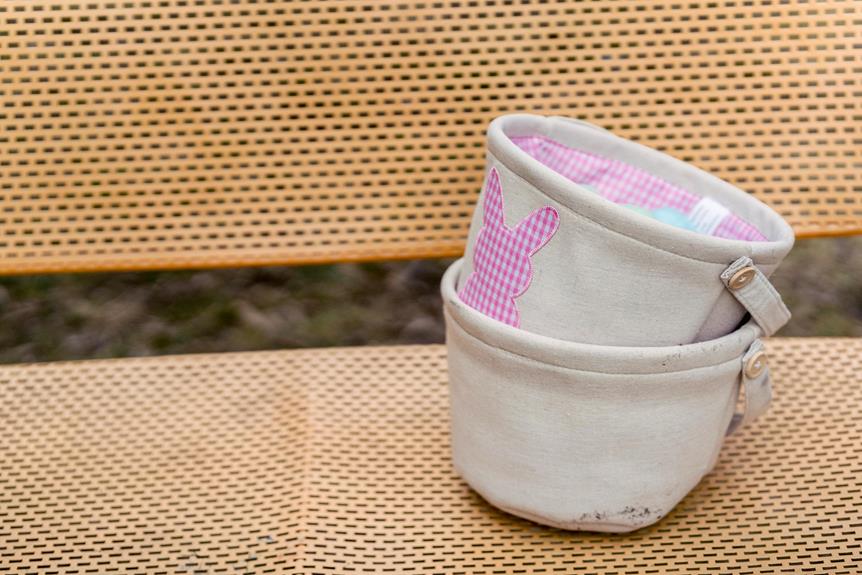
When you're working on applique for clothing, it's crucial to start with the right fabrics and tools. You'll want to select sturdy base fabrics like cotton, paired with contrasting applique materials that catch the eye. Before you jump in, a well-prepared design and the right stitching techniques can make all the difference. But what happens when you encounter common issues like fraying or uneven edges? The solutions might be simpler than you think, and knowing how to troubleshoot can elevate your work to a professional level. Let's explore these essential strategies further.
Key Takeaways
- Choose sturdy base fabrics like cotton and ensure applique fabrics complement in texture and weight for a seamless finish.
- Sketch your design beforehand to visualize placement and simplify intricate details for easier stitching.
- Utilize high-quality fabric scissors and secure applique pieces with fabric glue or fusible webbing to streamline the process.
- Select appropriate stitching techniques, like zigzag or satin stitches, to secure edges and prevent fraying effectively.
Selecting the Right Fabrics
When choosing fabrics for your applique projects, opt for materials that complement each other and ensure durability. Start by considering the base fabric, which should be sturdy enough to handle the stitching without fraying. Cotton is a popular choice due to its strength and ease of handling.
Next, think about the applique fabric. This could be a contrasting color or a patterned fabric that adds visual interest. Ensure the texture and weight match your base fabric; otherwise, you might end up with an uneven finish. For a cohesive look, select fabrics within the same color family or that share similar patterns.
Don't forget about the fusible interfacing or stabilizer, especially if you're working with delicate fabrics. This will help keep your applique in place and prevent distortion during sewing.
If you're using multiple fabrics, test a small sample by fusing and stitching them together to see how they interact. This way, you can avoid any surprises in your final piece.
Preparing Your Appliqué Design
Start by sketching your applique design on paper to visualize how it will look on the fabric. This step helps you refine your ideas and ensure the design fits the intended area on your clothing. Once you're happy with your sketch, consider the size and scale. You want your design to be proportionate to the garment, so take measurements if necessary.
Next, choose the colors and fabrics for each part of the design. Think about contrast and how the colors will work together. It's helpful to lay out the fabric pieces next to your sketch to see how they interact.
After that, plan the order in which you'll layer your fabrics. This will guide you during the stitching process, making it easier to assemble your design. If your design has intricate details, you might want to simplify them for a cleaner finish.
Tools and Supplies Needed
To bring your applique design to life, you'll need a selection of specific tools and supplies that make the process easier and more enjoyable. Having the right materials on hand can save you time and help you achieve a polished final product.
Here are four essential items you should gather before starting your project:
- Fabric: Choose a base fabric along with your applique fabric. Make sure they complement each other in color and texture.
- Scissors: A good pair of fabric scissors will help you achieve clean cuts, which is crucial for a neat finish.
- Adhesive: Use fabric glue, fusible webbing, or double-sided adhesive to secure your applique pieces before stitching. This helps prevent shifting during the sewing process.
- Iron: An iron is vital for pressing your fabric and ensuring the adhesive bonds properly. It also helps to smooth out wrinkles for a crisp look.
With these tools and supplies in your arsenal, you'll be set to dive into your applique project with confidence!
Stitching Techniques to Use
When you start stitching your appliqué, you've got a couple of solid techniques to choose from.
The straight stitch method offers a clean finish, while the zigzag stitch technique adds a bit of flair and flexibility.
Understanding how and when to use these stitches can really elevate your project.
Straight Stitch Method
The straight stitch method is a reliable choice for securing appliqué pieces, ensuring they stay in place while adding a clean finish to your clothing. This technique is straightforward and ideal for beginners.
Here are some tips to make the most of your straight stitch:
- Use the right needle: A universal needle works well for most fabrics, but if you're working with thicker materials, consider a heavier needle to avoid skipped stitches.
- Choose your thread wisely: Opt for a thread that complements your fabric. Cotton or polyester threads are great options, providing durability and a polished look.
- Adjust your stitch length: A shorter stitch length (around 2.0-2.5 mm) will create a tighter hold, which is essential for delicate appliqué pieces. Experiment to find what works best for your project.
- Keep your fabric taut: As you sew, gently pull the fabric to keep it flat. This prevents puckering and ensures a neat finish.
Zigzag Stitch Technique
While the straight stitch method provides a clean finish, the zigzag stitch technique offers versatility and stretch, making it perfect for fabrics that require a bit more give. This technique allows you to secure your applique while accommodating the natural movement of the fabric, which is especially useful for knits or stretchy materials.
To get started, set your sewing machine to a zigzag stitch. Adjust the stitch width and length according to your fabric type; a wider stitch works well for thicker materials, while a narrower stitch is great for lighter fabrics. Position your applique piece carefully, ensuring it's aligned as desired.
As you sew, guide the fabric gently, keeping an eye on the edges of the applique to ensure even stitching. It's crucial to maintain a consistent pace to avoid uneven stitches. If you're worried about fraying, consider using a stabilizer underneath your fabric to give it extra support.
Securing Your Appliqué Properly
Securing your appliqué properly ensures it stays in place and withstands wear and washing. You want your hard work to last, so it's essential to choose the right methods and materials. Here are four effective ways to secure your appliqué:
- Use a stabilizer: Place a stabilizer underneath your fabric before stitching. This helps prevent puckering and gives your appliqué a solid base.
- Choose the right thread: Opt for a high-quality thread that matches both your fabric and your design. This not only enhances appearance but also provides strength.
- Stitch around the edges: After your initial zigzag stitch, consider adding a straight or decorative stitch around the edges to further secure your appliqué. This adds an extra layer of durability.
- Iron it down: Before sewing, use an iron to press your appliqué in place. A little heat can help bond the fabric temporarily, making it easier to stitch accurately.
Adding Finishing Touches
Now that you've secured your appliqué, it's time to add those finishing touches that really make it stand out.
You'll want to choose the right threads, master some effective ironing techniques, and ensure your stitching is durable.
These details can elevate your project and give it a professional look!
Choosing Appropriate Threads
Choosing the right thread can elevate your applique project, enhancing both its durability and visual appeal. The thread you select plays a crucial role in how your finished piece looks and lasts. Here are some tips to help you choose the best thread for your applique:
- Match the Fabric Weight: Use a thread that's similar in weight to your fabric. Heavier fabrics need thicker threads, while lighter fabrics require finer threads.
- Consider Thread Types: Polyester threads are strong and versatile, while cotton threads offer a more natural look. Choose based on your project's needs.
- Select the Right Color: For a seamless look, pick a thread color that closely matches your fabric. If you want your stitching to stand out, opt for a contrasting color that complements your design.
- Test Before You Commit: Always do a test stitch on a scrap piece of fabric. This way, you can see how the thread behaves and ensure it complements your design.
Ironing Techniques Explained
Mastering the right ironing techniques can significantly enhance the appearance of your applique, ensuring crisp edges and a polished finish. Start by using a pressing cloth to protect your fabric and applique from direct heat. This prevents scorching and keeps colors vibrant.
Next, adjust your iron's temperature based on the fabric type to avoid damage. Use the steam setting for natural fibers, while synthetic fabrics require a dry iron. Always press, don't slide, to maintain the shape of your design.
Here's a handy reference table to keep in mind:
| Fabric Type | Ironing Technique |
|---|---|
| Cotton | High heat, steam, press |
| Polyester | Medium heat, dry, press |
| Wool | Medium heat, steam, press |
Stitching for Durability
To ensure your applique stands the test of time, focus on using strong stitching techniques that keep everything securely in place. The right stitches not only enhance the design but also add durability, making your piece last longer through washes and wear.
Here are some effective stitching methods you can use:
- Zigzag Stitch: This versatile stitch helps prevent fraying at the edges of your applique. Use a narrow width for intricate designs and a wider one for larger pieces.
- Straight Stitch: A classic choice for clean lines, a straight stitch can provide a solid hold. Just make sure to keep your tension consistent to avoid puckering.
- Satin Stitch: Perfect for edges, this tight zigzag stitch creates a smooth finish. It's great for decorative elements but requires careful control to avoid gaps.
- Buttonhole Stitch: Ideal for raw edges, this stitch secures the fabric while adding a beautiful touch. It works well for thicker materials too.
Troubleshooting Common Issues
When you run into issues with your applique, it's essential to pinpoint the problem quickly to get back on track. Here are some common problems and their solutions to help you troubleshoot effectively.
| Issue | Solution |
|---|---|
| Fraying edges | Use a zigzag stitch or fray check. |
| Uneven stitching | Check your tension and use a stabilizer. |
| Applique lifting | Ensure you've used enough adhesive and stitch securely. |
If you notice fraying, applying a zigzag stitch along the edges can prevent further damage. An uneven stitch often results from incorrect tension settings, so adjust your machine accordingly. When your applique starts lifting, it might be a sign that the adhesive isn't strong enough, or that you need to secure it more thoroughly with your stitching.
Always test these solutions on a scrap piece before working on your final project. By addressing these common issues efficiently, you'll maintain the quality and longevity of your applique designs, ensuring that your clothing looks fantastic and withstands wear.
Frequently Asked Questions
Can I Use an Embroidery Machine for Appliqué?
Yes, you can use an embroidery machine for appliqué. It streamlines the process, allowing you to stitch down fabric shapes efficiently. Just make sure you've got the right settings and materials for the best results.
How Do I Choose Colors for My Appliqué Design?
When choosing colors for your appliqué design, consider your project's theme and mood. Use complementary shades to create contrast, or stick to a monochromatic palette for a more cohesive look. Don't forget to test your combinations!
What Types of Fabric Are Best for Beginners?
For beginners, cotton fabrics are ideal because they're easy to work with and forgiving. You'll also find that lightweight cotton blends and felt can simplify your first projects, making the process enjoyable and manageable.
How Do I Wash Appliquéd Clothing Without Damaging It?
To wash appliquéd clothing without damaging it, turn it inside out, use a gentle cycle with cold water, and air dry. Avoid harsh detergents and don't bleach; these steps keep your appliqué looking great.
Can I Appliqué Over Seams or Zippers?
Yes, you can appliqué over seams or zippers. Just make sure to secure your design well, and consider using a stabilizer to prevent puckering. It'll help your appliqué maintain its shape and durability.