
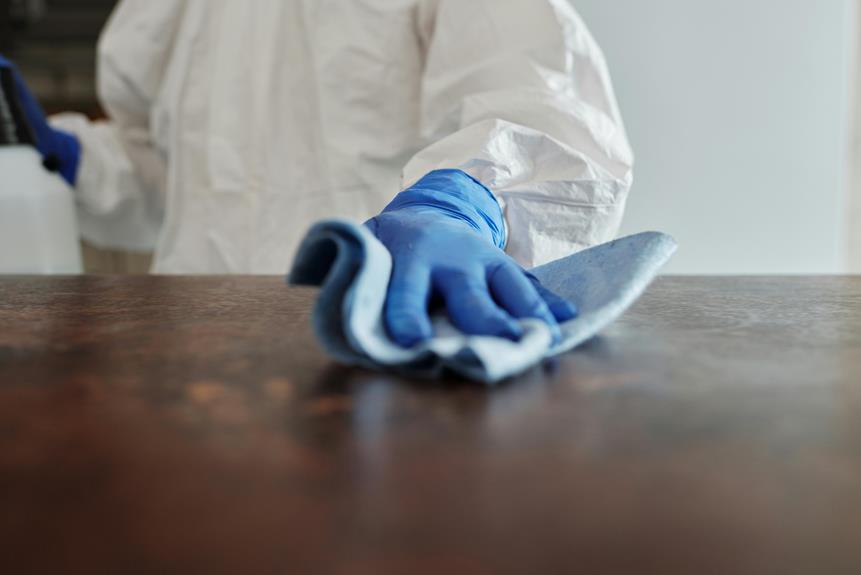
When you decide to tackle acid washing at home, it's crucial to prioritize safety from the outset. You'll want to equip yourself with the right protective gear, ensure your workspace is properly prepared, and understand the risks involved. Choosing the appropriate acid for your specific cleaning task can make all the difference, but it's not just about the product you use. There are key techniques and precautions that can significantly impact the outcome. So, how can you ensure you're fully prepared and protected before you start?
Key Takeaways
- Always wear appropriate protective gear, including chemical-resistant gloves, safety goggles, and a respirator mask, to prevent injuries while acid washing.
- Work in a well-ventilated area by opening windows and doors to minimize inhalation of harmful fumes during the process.
- Dilute acids by adding acid to water, never the other way around, to reduce the risk of dangerous reactions and splashes.
- Test a small, inconspicuous area first to observe any adverse reactions before proceeding with the full application of the acid.
Understand the Risks
Before you dive into acid washing, it's crucial to understand the potential hazards involved. Acid washing involves using strong chemicals that can cause harm if mishandled.
You're dealing with highly corrosive substances, which can damage skin, eyes, and respiratory systems. If these acids come into contact with your skin, you may experience burns or irritation. You should also be aware that inhaling fumes can lead to serious respiratory issues.
Another risk is the possibility of environmental damage. Acid runoff can harm nearby plants, animals, and water sources. If you're not careful about containment and cleanup, you could face legal repercussions or costly fines. It's essential to be mindful of the surface you're treating, as certain materials can react negatively with acids, leading to further damage.
Lastly, consider the risk of slips and falls. The workspace can become slippery, especially when using water to rinse off the acid. Ensure your area is secure and free from clutter, so you can focus on the task at hand without distractions.
Understanding these risks will help you take the necessary precautions and make acid washing a safer experience overall.
Gather Essential Safety Gear
Gathering the right safety gear is vital to protect yourself while acid washing. You'll want to ensure you have everything necessary before starting your project to minimize any risks. Here's a quick checklist of essential gear you should gather:
| Safety Gear | Purpose |
|---|---|
| Chemical-resistant gloves | Protects your hands from acid burns |
| Safety goggles | Shields your eyes from splashes |
| Respirator mask | Filters harmful fumes |
| Long-sleeved clothing | Minimizes skin exposure |
Make sure the gloves are thick enough to withstand the acid and fit snugly. Safety goggles should provide a proper seal around your eyes to keep out splashes. A respirator mask is crucial if you're working in a poorly ventilated area, as it protects your lungs from harmful vapors. Finally, wear long-sleeved clothing made from durable, acid-resistant material to protect your skin.
Choose the Right Acid
When choosing the right acid for your washing project, you need to understand the common types available and their specific uses.
Each acid comes with its own safety considerations, so it's crucial to know what you're working with.
Picking the right one ensures effective cleaning while keeping you safe.
Common Acid Types
Choosing the right acid is crucial for effective and safe acid washing, as different types serve specific purposes and yield varying results. Here are some common acids you might consider:
- Muriatic Acid (Hydrochloric Acid): This is a strong acid often used for cleaning masonry surfaces. It's effective in removing tough stains and mineral deposits.
- Sulfuric Acid: Known for its power, sulfuric acid is often used in drain cleaners. It can break down organic materials but requires careful handling due to its strength.
- Phosphoric Acid: This acid is less aggressive and is often found in rust removers and cleaners. It's great for preparing surfaces for painting and can help etch concrete.
- Citric Acid: A more natural option, citric acid is less potent and can safely clean and brighten various surfaces. It's effective against light stains and is often used in kitchen cleaning.
Selecting the right acid not only ensures you achieve your desired results but also minimizes the risk of damage to surfaces or personal safety hazards.
Always assess your specific needs before making a choice.
Safety Considerations
Prioritize safety by carefully evaluating the acid you plan to use, as each type presents unique risks and handling requirements. For instance, hydrochloric acid is highly corrosive and can damage skin, eyes, and respiratory tissues. Always wear appropriate personal protective equipment (PPE), including gloves, goggles, and a face mask when handling it.
If you choose citric acid, it's milder and safer for general use, but you should still follow proper handling procedures. Even with safer options, you shouldn't underestimate potential reactions with other substances or surfaces.
Before starting your acid washing project, ensure you're familiar with the specific acid's safety data sheet (SDS). This document provides essential information regarding hazards, first aid measures, and safe handling practices.
Additionally, work in a well-ventilated area to minimize inhalation risks. Avoid mixing different acids, as reactions can produce dangerous fumes.
Prepare the Work Area
Before diving into acid washing, make sure to clear out the work area of any obstacles and cover surfaces that could be damaged. This preparation is crucial for both your safety and the effectiveness of the acid wash. By organizing your space, you'll minimize the risk of accidents and ensure a smoother process.
Here's a quick checklist to help you prepare:
- Remove Furniture: Take out any furniture or items that could obstruct your work. This keeps them safe from spills and makes it easier to maneuver.
- Protect Surfaces: Use plastic sheets, drop cloths, or old newspapers to cover floors, windows, and any surfaces that might come into contact with the acid.
- Check Ventilation: Open windows and doors to promote airflow. Good ventilation is essential for dispersing fumes from the acid.
- Gather Supplies: Collect all necessary tools and materials, such as gloves, goggles, and buckets, making sure everything is within reach.
Taking the time to prepare your work area will set you up for a successful and safe acid washing experience.
Follow Proper Application Techniques
When applying acid for washing, it's crucial to follow proper techniques for your safety and effectiveness.
You should always wear protective gear, dilute the acid correctly, and test a small area first.
These steps can prevent accidents and ensure a successful cleaning process.
Wear Protective Gear
Wearing the right protective gear is essential to keep yourself safe during the acid washing process. Acid can be highly corrosive, and it's crucial to shield your skin, eyes, and lungs from potential harm.
Here are four items you should always wear when acid washing:
- Chemical-resistant gloves: Use gloves made of rubber or neoprene to protect your hands from acid splashes and skin contact.
- Safety goggles: Protect your eyes with goggles that fit snugly and provide a complete seal around your eyes to prevent any splashes.
- Face mask or respirator: Depending on the strength of the acid, a face mask or respirator can help filter harmful fumes, ensuring you breathe safely.
- Protective clothing: Wear long-sleeved shirts, long pants, and closed-toe shoes made of durable materials to shield your skin from contact with acid.
Dilute Acid Properly
Properly diluting acid is crucial to ensure effective cleaning while minimizing risks associated with its use. Always start by wearing your protective gear—gloves, goggles, and a mask—before handling any chemicals.
When it comes to dilution, always add acid to water, never the other way around. This prevents dangerous reactions that can cause splattering.
Measure the amount of acid and water accurately according to the instructions on the label. For most cleaning tasks, a typical ratio is one part acid to ten parts water, but make sure to check the specific guidance for the acid you're using.
Pour the water into a large, non-reactive container first, then slowly add the acid while stirring gently. This helps distribute the acid evenly and reduces the chance of heat buildup.
Always work in a well-ventilated area to avoid inhaling harmful fumes. Keep a neutralizing agent, like baking soda, nearby in case of spills.
Once you've prepared your solution, label the container clearly to prevent any accidents later. Following these steps will help you dilute acid safely and effectively, setting you up for successful cleaning without unnecessary hazards.
Test Small Area
Before applying acid to the entire surface, it's essential to test a small, inconspicuous area to ensure compatibility and avoid damaging your materials. This simple step can save you time and prevent costly mistakes.
Here's how to effectively perform this test:
- Choose the Right Spot: Pick an area that's hidden or less noticeable. This way, if anything goes wrong, it won't be easily seen.
- Prepare the Test Solution: Use the same dilution you plan to apply later. This ensures you're getting an accurate representation of how the surface will react.
- Apply with Care: Use a small brush or cloth to apply the acid to the test area. Make sure to wear appropriate safety gear during this process.
- Observe the Reaction: Wait for a few minutes and observe any changes. Look for discoloration, bubbling, or other adverse reactions. If everything looks good, you're ready to proceed!
Neutralize and Clean Up
Once you've finished acid washing, it's crucial to neutralize the surface to prevent any lingering chemical reactions.
Start by preparing a neutralizing solution, typically a mix of baking soda and water. Use about one cup of baking soda for every gallon of water. Stir it well to ensure it dissolves completely.
Next, apply this solution generously onto the surface you've just washed. Use a garden sprayer or a large sponge to ensure even coverage. This step is vital, as it helps to neutralize any remaining acid, making the surface safe for touch and further treatment.
After you've applied the neutralizing solution, allow it to sit for about 10 to 15 minutes. Then, rinse the area thoroughly with clean water. Make sure you're washing away any residue, as leftover chemicals can lead to damage or discoloration over time.
Know When to Seek Help
Even with thorough neutralization, there are times when you should consider calling in a professional to ensure safety and effectiveness in your acid washing project.
Here are four situations where seeking help is a smart choice:
- Limited Experience: If you're new to acid washing, handling hazardous materials can be overwhelming. A pro can guide you through the process safely.
- Large Areas: Acid washing larger surfaces—like driveways or decks—requires specific techniques and equipment. Professionals have the tools to get the job done efficiently.
- Health Concerns: If you or anyone in your household has respiratory issues or allergies, it's wise to let experts handle the job. They'll have the right gear to minimize exposure.
- Complex Surfaces: If you're dealing with delicate materials or intricate designs, professional services can prevent damage that you might inadvertently cause.
Frequently Asked Questions
Can I Use Household Acids for Acid Washing?
You can use household acids for acid washing, but be cautious. They may not be as effective as stronger acids, and safety precautions are crucial to prevent damage or injury. Always wear protective gear and ventilate the area.
What Surfaces Should I Avoid Acid Washing?
You should avoid acid washing delicate surfaces like wood, painted areas, and certain types of stone, such as marble or limestone. These materials can be damaged or discolored by the harsh effects of acid.
How Long Does the Acid Washing Process Take?
The acid washing process typically takes between one to three hours, depending on the surface size and the severity of stains. You'll need to account for preparation and drying time as well for best results.
Is Acid Washing Safe for Pets and Plants?
Acid washing isn't safe for pets and plants. You should keep them away during the process, as harmful fumes and residues can affect their health. Always prioritize their safety before starting any acid washing project.
Can I Store Leftover Acid for Future Use?
You shouldn't store leftover acid. It can degrade over time, becoming hazardous. Instead, dispose of it properly according to local regulations, ensuring safety for yourself and the environment. Always prioritize safety when handling chemicals.