
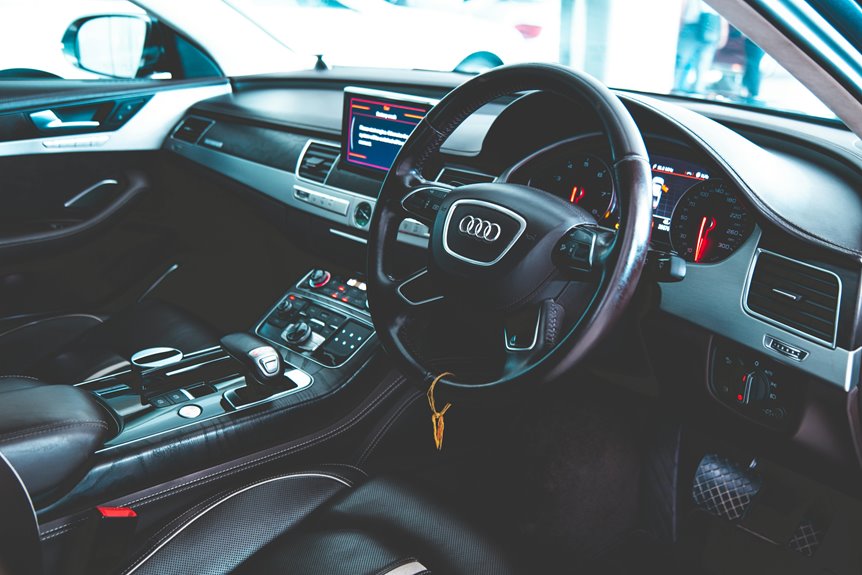
You rely on nonwovens throughout your vehicle’s interior to boost comfort, cut weight, and enhance sound and thermal insulation. These materials, like spunbonded polypropylene and needlepunched polyester, improve seat comfort, reduce noise, and regulate temperature. They also support sustainability by incorporating recycled fibers. Nonwovens offer flexibility and durability, improving your driving experience. Keep exploring to see how innovations and challenges shape the future of automotive interior design with nonwovens.
Key Takeaways
- Nonwovens provide lightweight, durable materials that reduce vehicle weight and improve fuel efficiency in automotive interiors.
- They enhance acoustic comfort by absorbing sound in door panels, headliners, and under carpets.
- Nonwoven fabrics offer breathable, moisture-wicking surfaces for seats, improving occupant comfort and hygiene.
- Their thermal insulation properties regulate cabin temperature, reducing HVAC energy consumption.
- Sustainable nonwovens incorporate recycled and bio-based fibers, minimizing environmental impact in automotive design.
Advantages of Nonwovens in Automotive Design
Although traditional materials have long dominated automotive interiors, nonwovens offer unique advantages that can enhance both design and functionality.
When you use nonwovens, you benefit from their lightweight nature, helping reduce overall vehicle weight and improve fuel efficiency. You’ll also appreciate their excellent sound absorption, creating a quieter cabin experience.
Nonwovens provide flexibility in design—they can be molded into complex shapes and customized textures, giving your interior a modern, sleek look. Plus, they’re durable and resistant to wear, ensuring longevity under daily use.
Their breathability adds comfort, especially in seating and headliners. By choosing nonwovens, you’re embracing innovative materials that balance aesthetics, performance, and sustainability within automotive interiors.
Common Types of Nonwoven Materials Used in Cars
You’ll find spunbonded polypropylene in many car interiors thanks to its durability and lightweight nature.
Needlepunched polyester offers excellent filtration and sound absorption, making your ride quieter and cleaner.
Meltblown fabrics play an essential role in filtration systems, helping keep the cabin air fresh.
Spunbonded Polypropylene Applications
When you look inside a car, spunbonded polypropylene plays an essential role in several components, thanks to its durability and lightweight nature. You’ll find it in door panels, headliners, and insulation layers, providing strength without adding bulk. This material resists moisture and chemicals, making it ideal for automotive environments.
Here’s a quick overview of its common applications:
| Application | Benefit |
|---|---|
| Door Panels | Adds stiffness and durability |
| Headliners | Lightweight and sound absorbent |
| Insulation Layers | Moisture resistance and thermal insulation |
Needlepunched Polyester Benefits
Since needlepunched polyester offers excellent strength and flexibility, it’s a popular choice for automotive interiors.
When you use this material, you benefit from its durability, which withstands constant wear and tear inside vehicles. It also provides sound insulation, helping reduce road noise and creating a quieter ride.
You’ll appreciate its resistance to moisture and chemicals, ensuring the interior stays intact over time. Needlepunched polyester is lightweight, which contributes to overall vehicle efficiency without compromising comfort.
Plus, it’s easy to mold into various shapes, fitting perfectly in carpets, headliners, and door panels.
Meltblown Fabric Functions
Although meltblown fabrics may not be as widely recognized as needlepunched polyester, they play an essential role in automotive interiors.
You’ll find meltblown materials used primarily for filtration and insulation purposes. Their fine fibers create a dense web that effectively traps dust, pollen, and other particles, improving air quality inside the car.
Additionally, meltblown fabrics provide excellent thermal insulation, helping regulate cabin temperature and enhance passenger comfort. They also contribute to sound absorption, reducing road noise and vibrations.
Because they’re lightweight and flexible, manufacturers use them in areas where space and weight savings matter.
Role of Nonwovens in Seat Cover Applications
When you sit in a car, nonwovens play a key role in making seat covers comfortable and durable.
They also help reduce noise inside the cabin for a quieter ride.
Plus, these materials make seat covers easy to clean and maintain, keeping your interior looking fresh.
Comfort and Durability
Nonwovens play an essential role in enhancing both comfort and durability in automotive seat covers. When you sit in a car, these materials provide a soft, breathable surface that adapts to your body, preventing discomfort during long drives.
They also resist wear and tear, meaning your seat covers stay intact despite daily use. You’ll appreciate how nonwovens maintain shape and cushioning, offering consistent support over time.
Additionally, their moisture-wicking properties keep you dry, enhancing your overall comfort. Because they’re lightweight yet strong, nonwovens improve seat longevity without adding bulk.
Acoustic Insulation Benefits
Because automotive interiors demand quieter cabins, seat covers incorporating nonwovens play an essential role in acoustic insulation.
When you choose seat covers made with nonwoven materials, you’re effectively reducing noise from engine vibrations and road sounds. These materials absorb and dampen sound waves, preventing them from bouncing around the cabin. You’ll notice a significant drop in ambient noise, making conversations and music clearer.
Nonwovens’ porous structure traps sound energy, which helps minimize echoes and rattles. Plus, their lightweight nature doesn’t add unnecessary bulk, preserving seat comfort.
Easy Maintenance Features
Maintaining your car’s seat covers is easier than ever thanks to the practical advantages of nonwoven materials. These fabrics resist stains, dry quickly, and can be wiped clean with minimal effort. You’ll spend less time worrying about spills or dirt, making your interior look fresh longer. Nonwovens also hold up well to repeated cleaning, so you won’t need frequent replacements.
Here’s how nonwovens compare to traditional materials in seat cover maintenance:
| Feature | Nonwoven Materials | Traditional Materials |
|---|---|---|
| Stain Resistance | High | Moderate |
| Cleaning Time | Quick | Longer |
| Durability to Wash | Excellent | Variable |
| Drying Time | Fast | Slow |
Nonwovens simplify upkeep, letting you enjoy a cleaner ride with less hassle.
Enhancing Sound Insulation With Nonwoven Fabrics
When you want to reduce road noise and create a quieter cabin, nonwoven fabrics play an essential role in automotive interiors.
These materials effectively absorb and dampen sound waves, cutting down on engine hum, tire noise, and wind sounds. Their porous structure traps and dissipates sound energy, preventing it from traveling into the passenger compartment.
You’ll find nonwovens used beneath carpets, inside door panels, and around wheel wells to enhance acoustic comfort. Plus, nonwoven fabrics are lightweight, which helps you avoid adding unnecessary weight that could impact fuel efficiency.
Nonwovens for Thermal Insulation and Comfort
Although you mightn’t always notice it, nonwoven fabrics play an essential role in regulating temperature inside your vehicle.
These materials trap air effectively, creating a barrier that keeps your car cooler in summer and warmer in winter. By incorporating lightweight, breathable nonwovens into door panels, headliners, and seating, manufacturers improve thermal comfort without adding bulk or weight.
You benefit from a more pleasant cabin environment, experiencing less temperature fluctuation and reduced reliance on HVAC systems. The thermal insulation properties also contribute to energy efficiency, helping your vehicle maintain temperature with less fuel consumption or battery use.
When you sit inside, nonwovens work quietly behind the scenes, ensuring you stay comfortable regardless of external weather conditions.
Moisture Management in Vehicle Interiors Using Nonwovens
Nonwovens don’t just help keep your car’s temperature comfortable—they also manage moisture to improve your driving experience.
These materials efficiently wick away sweat and humidity, keeping surfaces dry and reducing unpleasant odors. By controlling moisture, nonwovens help prevent mold and mildew buildup, which can damage your vehicle’s interior and affect air quality.
You’ll benefit from nonwovens that offer:
- Rapid moisture absorption and quick drying to maintain comfort
- Breathability to promote air circulation inside your car
- Resistance to microbial growth, ensuring a cleaner environment
Using nonwoven fabrics in your vehicle’s interior means less moisture-related wear and a fresher, more enjoyable ride every time you get behind the wheel.
Safety Benefits Provided by Nonwoven Materials
Safety plays an essential role in your vehicle’s design, and nonwoven materials contribute greatly to protecting you on the road. These materials absorb impact energy, enhance airbag performance, and provide fire resistance, helping to reduce injury risks during accidents. Nonwovens also support seatbelt functions by improving comfort and durability, encouraging consistent use.
| Safety Feature | Nonwoven Role | Benefit |
|---|---|---|
| Impact Absorption | Energy dissipation layer | Reduces injury severity |
| Airbag Support | Quick inflation fabric | Guarantees timely protection |
| Fire Resistance | Flame-retardant fibers | Minimizes fire hazards |
| Seatbelt Comfort | Soft padding | Increases buckle compliance |
Environmental Impact and Sustainability of Automotive Nonwovens
Beyond enhancing protection and comfort, automotive nonwoven materials also play a significant role in reducing environmental impact.
When you choose nonwovens, you’re supporting sustainability through their lightweight nature, which improves fuel efficiency and lowers emissions. Many nonwovens incorporate recycled fibers, helping reduce landfill waste and conserve resources.
Plus, these materials often require less energy during production compared to traditional textiles.
Here’s why automotive nonwovens are eco-friendly:
- Lightweight design reduces vehicle energy consumption
- Utilization of recycled and renewable fibers
- Energy-efficient manufacturing processes
Innovations Driving Nonwoven Technology in the Automotive Industry
As automotive demands evolve, manufacturers constantly push the boundaries of nonwoven technology to meet new performance and sustainability goals.
You’ll see innovations like lightweight composites that enhance fuel efficiency without sacrificing strength. Advanced bonding techniques improve durability and comfort, making interiors both resilient and pleasant to the touch.
Smart nonwovens with integrated sensors are emerging, allowing you to monitor temperature, pressure, or even occupancy for enhanced safety and personalization. Additionally, bio-based and recycled fibers are being incorporated more frequently, reducing environmental impact while maintaining quality.
These breakthroughs let you enjoy quieter, more comfortable rides with materials designed for recyclability and reduced waste. By embracing such innovations, you help drive the automotive industry toward a more sustainable, efficient, and user-friendly future.
Challenges in Manufacturing Automotive Nonwovens
When you manufacture automotive nonwovens, you face strict material selection constraints that impact performance and cost.
You also have to tackle production efficiency issues to meet high demand without sacrificing quality.
On top of that, maintaining consistent quality control is critical to guarantee safety and durability in every component.
Material Selection Constraints
Though automotive nonwovens offer unique benefits, selecting the right materials poses significant challenges. You need to balance performance, cost, and compliance with strict industry standards.
Materials must withstand temperature fluctuations, resist wear, and meet fire safety regulations without adding excessive weight. Additionally, compatibility with adhesives and coatings is critical to guarantee durability and comfort.
When choosing materials, consider these constraints:
- Thermal and mechanical stability: Materials must endure harsh automotive environments.
- Regulatory compliance: Fire resistance and environmental standards are non-negotiable.
- Cost-effectiveness: Balancing quality with budget limits your options.
Production Efficiency Issues
Because automotive nonwovens require precise specifications and consistent quality, manufacturing them efficiently presents several challenges.
You have to manage complex machinery that demands constant calibration to maintain tight tolerances. Downtime for adjustments or maintenance can slow production and increase costs.
Additionally, varying material properties can impact machine speed and throughput, forcing you to adapt processes on the fly.
Balancing high output rates with minimal waste is another hurdle; you must optimize fiber usage and reduce scrap without compromising product integrity.
Finally, integrating new technologies or materials often requires retooling and staff training, which temporarily disrupts workflow.
To stay competitive, you need streamlined operations that minimize interruptions while meeting strict automotive standards throughout your production lines.
Quality Control Challenges
Ensuring consistent quality in automotive nonwovens demands rigorous control at every production stage, and you can’t afford to overlook even minor defects.
Because these materials impact safety, comfort, and aesthetics, any flaw can lead to costly recalls or customer dissatisfaction.
You’ll face challenges like maintaining uniform fiber distribution, controlling thickness variations, and detecting contaminants early.
To tackle these, focus on:
- Implementing real-time monitoring systems for immediate defect detection
- Establishing strict supplier quality standards and incoming material inspections
- Training your team thoroughly on quality protocols and equipment handling
Future Trends for Nonwovens in Vehicle Interior Design
As automotive technology evolves, nonwovens are poised to play an essential role in shaping the interiors of tomorrow’s vehicles. You’ll see these materials becoming lighter, more sustainable, and highly customizable, enhancing comfort and functionality. Innovations like bio-based fibers and smart textiles will let you experience interiors that adapt to your needs while reducing environmental impact. Here’s a glimpse of what to expect:
| Trend | Impact on Interiors |
|---|---|
| Lightweight composites | Improved fuel efficiency |
| Smart textiles | Adaptive comfort features |
| Sustainable fibers | Reduced ecological footprint |
Frequently Asked Questions
How Do Nonwovens Affect Vehicle Weight and Fuel Efficiency?
Like a feather lightening your load, nonwovens reduce vehicle weight considerably. You’ll boost fuel efficiency because lighter cars demand less energy, helping you save money at the pump and lower your environmental impact.
What Are the Cost Implications of Using Nonwovens in Interiors?
You’ll find nonwovens often reduce manufacturing costs due to easier processing and less material waste. They might increase initial expenses, but their lightweight nature improves fuel efficiency, saving money over the vehicle’s lifetime.
Can Nonwovens Be Recycled After Vehicle Disposal?
Think of nonwovens as a puzzle you can piece back together. You can recycle them after vehicle disposal, but it’s tricky and depends on local facilities. You’ll need to check if your area supports this eco-friendly loop.
How Do Nonwovens Compare to Traditional Materials in Terms of Durability?
You’ll find nonwovens often match or exceed traditional materials in durability. They resist wear, moisture, and aging well, meaning they last longer and maintain performance, making them a reliable choice for demanding applications.
Are There Any Health Concerns Related to Nonwoven Materials in Cars?
You might worry about chemicals or allergens in nonwoven materials, but manufacturers usually guarantee they’re safe and meet regulations. Still, if you’re sensitive, it’s smart to check for certifications or ventilation options in your car.