
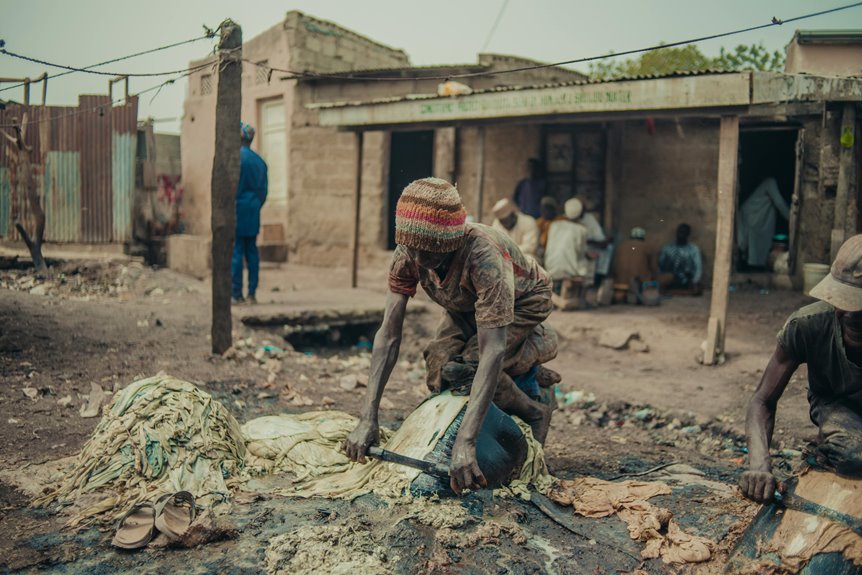
You’d think eco-leather and sustainable leather are the ultimate solutions to our environmental woes, but the truth is far more complicated. With brands throwing around terms without clear definitions, it’s easy to feel misled. So, how do you navigate this confusing landscape? Understanding what these terms really mean and the practices behind them is essential. Let’s explore what sets genuine eco-leather apart from the rest.
Key Takeaways
- Eco-leather is often made with environmentally friendly methods, but definitions can vary, leading to potential misrepresentation of sustainability claims.
- Sustainable leather production significantly reduces water usage and chemical pollution compared to traditional leather, promoting better environmental practices.
- Emerging materials like mushroom leather and recycled plastics enhance eco-leather sustainability, but certifications are essential to verify responsible sourcing.
- While eco-leather can offer unique designs, durability and pricing may not always match traditional leather, requiring careful consumer consideration.
- Supporting brands committed to transparency and responsible practices helps foster a more sustainable leather industry and encourages ethical consumer choices.
Understanding Eco-Leather: Definitions and Characteristics
When you think about eco-leather, it’s essential to understand that it’s not just any leather; it’s made with sustainable practices in mind. Eco-leather typically comes from animal hides that are tanned using environmentally friendly methods, such as vegetable tanning, which avoids harmful chemicals.
You’ll find that this type of leather often prioritizes both animal welfare and sustainable sourcing.
In addition, eco-leather may incorporate recycled materials or by-products from other industries, reducing waste and promoting a circular economy.
It’s also worth noting that eco-leather can come in various textures and finishes, providing the same aesthetic appeal as traditional leather.
The Importance of Sustainability in Leather Production
Sustainability in leather production is essential for minimizing environmental impact and promoting ethical practices. By prioritizing sustainable methods, you can help guarantee that the leather industry not only meets your needs but also respects the planet. As a consumer, your choices can drive change, supporting brands that value transparency and responsibility.
| Aspect | Traditional Leather | Sustainable Leather |
|---|---|---|
| Water Usage | High | Reduced |
| Chemical Pollution | Significant | Minimal |
| Animal Welfare | Often Neglected | Prioritized |
| Carbon Footprint | Elevated | Lowered |
| Waste Generation | Substantial | Managed Efficiently |
Exploring Eco-Leather Materials and Sources
Eco-leather materials are revolutionizing the way we think about leather products. You’ll find options made from recycled plastics, organic cotton, and even innovative plant-based materials like mushroom leather.
These alternatives not only reduce reliance on animal hides but also lessen environmental impact. When you choose eco-leather, you support sustainable practices like eco-friendly tanning processes that minimize harmful chemicals.
Choosing eco-leather helps reduce dependence on animal hides while promoting sustainable, eco-friendly practices that protect our planet.
Look for certifications that guarantee these materials come from responsible sources. Brands are increasingly transparent about their supply chains, so you can feel good about your choices.
Exploring these eco-friendly options means you’re not just making a fashion statement; you’re also making a positive impact on the environment. Embrace eco-leather, and feel confident in your sustainable lifestyle.
Traditional Leather vs. Eco-Leather: A Comparative Analysis
Choosing between traditional leather and eco-leather involves understanding the considerable differences in their production and environmental impact.
Traditional leather is often made from animal hides, requiring intensive resources and chemical processes for tanning. This method can lead to considerable environmental pollution and waste.
On the other hand, eco-leather aims to minimize its ecological footprint by using sustainable practices and materials. It may incorporate vegetable tanning methods or recycled materials, reducing reliance on harmful chemicals and animal products.
Additionally, eco-leather often emphasizes ethical sourcing and lower carbon emissions.
When you’re considering your options, weigh these factors carefully to make an informed choice that aligns with your values and lifestyle. The choice you make can impact the environment considerably.
Benefits of Choosing Eco-Leather for Fashion and Lifestyle
When you opt for eco-leather, you’re not just making a fashion statement; you’re also embracing a lifestyle that prioritizes environmental responsibility. Eco-leather often uses fewer harmful chemicals and sustainable practices in its production, helping reduce your carbon footprint. Additionally, its durability means you’ll enjoy your items longer, cutting down on waste.
Here’s a quick comparison of eco-leather benefits:
| Benefit | Description | Impact |
|---|---|---|
| Eco-Friendly | Made with sustainable materials | Lower environmental harm |
| Durable | Long-lasting quality | Reduces frequent purchases |
| Unique Aesthetic | Distinctive designs | Stand out in fashion |
| Versatile | Suitable for various styles | Fits any lifestyle |
Choosing eco-leather enhances your wardrobe while aligning with your values.
Limitations and Considerations of Eco-Leather
While eco-leather offers numerous benefits, it’s important to contemplate its limitations before making a purchase.
First, the term “eco-leather” can be vague, often lacking standardized definitions. This means some products mightn’t be as sustainable as they claim.
Additionally, eco-leather may not always match the durability of traditional leather, leading to shorter lifespans and increased waste.
You should also consider the production processes; some methods still use chemicals that can harm the environment.
It’s essential to research brands thoroughly to guarantee they practice transparency.
Finally, eco-leather can sometimes come with a higher price tag, which mightn’t fit every budget.
Weigh these factors carefully to make a well-informed choice.
The Future of Eco-Leather: Trends and Innovations
As the demand for sustainable fashion grows, the future of eco-leather is evolving with exciting trends and innovations. You’ll see materials made from recycled plastics and plant-based sources becoming more mainstream, appealing to environmentally-conscious consumers.
Brands are investing in research to develop leather alternatives that maintain quality while minimizing environmental impact.
Here are some trends to watch:
- Bio-based materials: Innovations in materials derived from fruits, fungi, and other natural resources.
- Recycling initiatives: Increased focus on recycling old leather products into new eco-leather items.
- Digital leather: Use of 3D printing technology to create customizable and sustainable leather alternatives.
These advancements are shaping a more sustainable future for fashion, making eco-leather a smart choice for you.
Consumer Awareness and Education on Leather Choices
As a consumer, understanding where your leather comes from is essential in making informed choices.
You’ll want to evaluate the environmental impact of different materials and consider the ethical standards behind them.
Understanding Material Sources
Understanding the sources of leather materials is essential for making informed choices about sustainable fashion. By knowing where leather comes from, you can better assess its environmental and ethical implications.
Here are some key points to evaluate:
- Animal Origin: Leather primarily comes from livestock, so understanding the farming practices used can impact sustainability.
- Byproducts: Some leather is a byproduct of the meat industry, which can be a more sustainable choice if managed responsibly.
- Production Methods: The tanning process can considerably affect the sustainability of leather, with natural versus synthetic methods having different environmental impacts.
Being aware of these factors helps you choose leather products that align with your values and supports a more sustainable fashion industry.
Evaluating Environmental Impact
When you evaluate the environmental impact of leather, it is vital to recognize how your choices affect the planet. Many leather products come with hidden costs, from water usage to pollution. By understanding these factors, you can make informed decisions.
| Impact Factor | Eco-Friendly Choice | |
|---|---|---|
| Water Consumption | 1,800 gallons for cow leather | 500 gallons for plant-based options |
| Chemical Pollution | Toxic runoff from tanneries | Minimal, natural processing |
| Carbon Footprint | High emissions from livestock | Lower emissions with synthetic alternatives |
Your awareness can drive change, pushing brands toward sustainable practices. Remember, every purchase matters—your choices can help protect the environment for future generations.
Recognizing Ethical Standards
Recognizing ethical standards in leather production can greatly influence your purchasing decisions.
By understanding how leather is sourced and processed, you can make informed choices that align with your values.
Here’s what to take into account:
- Animal Welfare: Verify that the animals are treated humanely and sourced from farms that follow ethical practices.
- Environmental Impact: Look for brands that minimize pollution and use sustainable methods in tanning and production.
- Transparency: Support companies that openly share their sourcing practices and provide clear information about their supply chains.
Frequently Asked Questions
Is Eco-Leather Completely Free From Animal Products?
No, eco-leather isn’t completely free from animal products. It often contains a mix of synthetic and natural materials, sometimes including leather from animals, so you should always check the specific product details before purchasing.
How Can I Identify High-Quality Eco-Leather Products?
To identify high-quality eco-leather, check for certificates from reputable organizations, examine the texture and finish, and look for durability. Research brands that prioritize sustainable practices, ensuring they align with your values and expectations.
Are There Certifications for Eco-Leather Sustainability?
Yes, you’ll find certifications like Global Organic Textile Standard and Leather Working Group that verify eco-leather’s sustainability. Look for these labels, check their standards, and guarantee you’re making an informed, responsible choice for your purchases.
Can Eco-Leather Be Recycled or Composted?
Eco-leather can vary in recyclability and compostability depending on its materials. You should check the specific product details, as some eco-leathers incorporate biodegradable elements, while others may not break down easily in composting environments.
What Are the Best Care Practices for Eco-Leather Items?
You’re not just protecting eco-leather; you’re preserving a masterpiece! Keep it clean with a damp cloth, avoid direct sunlight, and use a gentle conditioner occasionally. Your care can make it last an eternity!