
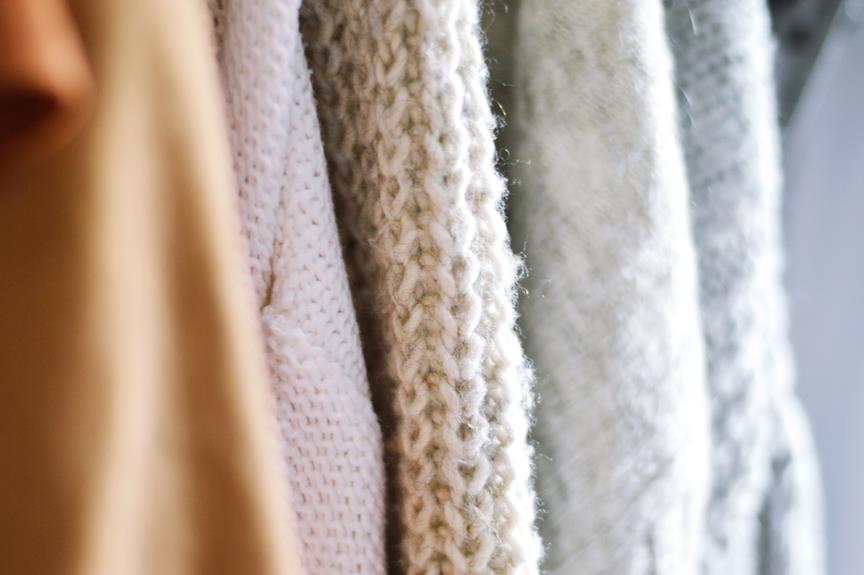
Looking for the softest fabric for your clothing?
Did you know that the average person owns about 68 pieces of clothing?
When it comes to choosing the best fabric for ultimate comfort, there are various options to consider.
From the classic softness of cotton to the luxurious feel of silk, and the natural softness of bamboo, there are many factors to weigh in.
Each fabric offers its own unique blend of softness, breathability, and durability.
Whether you're seeking eco-friendly options like Tencel or the cozy warmth of fleece, understanding the characteristics of different fabrics will help you make the best choice for your clothing needs.
Key Takeaways
- Cotton, bamboo, and modal are all soft and breathable fabrics that are comfortable to wear.
- Silk is a luxurious and hypoallergenic fabric that is lightweight and breathable.
- Cashmere is renowned for its ultra-soft and luxurious feel, providing next-to-skin comfort.
- Microfiber is a soft, durable, and moisture-wicking fabric that is versatile for a wide range of clothing options.
Cotton: A Classic Soft Fabric
If you're looking for a classic, soft fabric for your clothing, cotton is the go-to choice. It's breathable, comfortable, and versatile, making it a staple in many wardrobes. The natural fibers in cotton make it soft against the skin, perfect for everyday wear. When it comes to cotton alternatives, some options like bamboo and modal offer similar softness, but they may not have the same level of breathability and durability as cotton.
To keep your cotton clothing soft, consider using fabric softening techniques like using a gentle, pH-neutral laundry detergent, avoiding over-drying in the dryer, and adding a half cup of white vinegar during the rinse cycle to help break down any detergent residue that can make the fabric stiff. Additionally, using wool dryer balls instead of dryer sheets can help soften cotton fabrics without the use of chemicals.
Silk: Luxurious and Silky Smooth
Silk is a luxurious and silky smooth fabric that is highly prized for its softness and sheen. It is a natural protein fiber produced by silkworms and has been renowned for centuries for its elegance and comfort. Silk production involves a meticulous process of nurturing silkworms, harvesting their cocoons, and carefully spinning the fibers into threads. The result is a fabric that boasts numerous benefits, making it a popular choice for clothing, bedding, and accessories.
| Benefits of Silk | |
|---|---|
| 1. Soft and Smooth | |
| 2. Lightweight | |
| 3. Breathable | |
| 4. Hypoallergenic | |
| 5. Temperature-regulating |
Silk's soft and smooth texture feels gentle and luxurious against the skin, making it perfect for delicate clothing items. It is also lightweight and breathable, providing comfort in warm weather while offering insulation in cooler temperatures. Additionally, silk is hypoallergenic, making it suitable for those with sensitive skin or allergies. Furthermore, its temperature-regulating properties help keep you cool in the summer and warm in the winter, adding to its allure. With its exquisite feel and numerous benefits, silk remains a top choice for those seeking the ultimate in comfort and elegance.
Bamboo: Naturally Soft and Breathable
Softness and breathability are essential qualities in clothing, and bamboo fabric offers a naturally soft and breathable option for your wardrobe. Additionally, it's highly sustainable and eco-friendly. Bamboo benefits go beyond just comfort; they also include environmental friendliness.
Here's why bamboo fabric is a fantastic choice for your clothing:
- Softness: Bamboo fabric is renowned for its luxurious softness, making it gentle and comfortable against your skin.
- Breathability: The natural porous structure of bamboo fibers allows for excellent breathability, keeping you cool and dry in warm weather.
- Moisture-wicking: Bamboo fabric has the ability to absorb and evaporate sweat quickly, making it ideal for active individuals or those living in humid climates.
- Sustainable Comfort: Bamboo is highly sustainable, as it's one of the fastest-growing plants in the world and requires minimal water and no pesticides to thrive.
When looking for clothing that offers sustainable comfort, bamboo fabric is an excellent choice. Its softness, breathability, moisture-wicking properties, and eco-friendly nature make it a top contender for your wardrobe.
Modal: Silky and Stretchy
When it comes to finding the softest fabric for your clothing, modal is a top contender.
You'll be pleased to know that modal offers a luxurious drape that adds a touch of elegance to any garment.
Additionally, its eco-friendly production process makes it a sustainable choice for the fashion-conscious consumer.
Modal's Luxurious Drape
Modal fabric provides a luxurious drape that enhances the comfort and elegance of your clothing. This silky and stretchy material offers a range of benefits, making it a top choice for those who appreciate quality and style.
Here's why modal's luxurious drape sets it apart:
- Flowing Movement: Modal's natural drape creates a graceful flow in clothing, adding a touch of sophistication to your look.
- Enhanced Comfort: The soft, smooth texture of modal fabric drapes gently over your skin, providing a luxurious feel that you'll love to wear.
- Elegant Appearance: The elegant drape of modal fabric gives your clothing a polished and refined look, perfect for both casual and formal wear.
- Versatile Styling: Whether it's for everyday outfits or special occasions, modal's luxurious drape elevates the overall appearance of your garments.
Modal's Eco-Friendly Production
With its eco-friendly production processes, modal fabric offers a sustainable and responsible choice for those seeking silky and stretchy materials for their clothing. Modal is derived from beech trees, which require minimal water and pesticides to grow, making it an environmentally conscious option. The production process also utilizes closed-loop systems, where solvents are recycled, minimizing waste and reducing environmental impact.
This eco-friendly approach makes modal a preferred choice for those interested in sustainable fashion. By choosing modal clothing, you're supporting a more sustainable industry that prioritizes the well-being of the planet. This commitment to eco-friendly benefits aligns with the growing demand for environmentally responsible fashion choices.
As consumers increasingly seek out sustainable options, modal's production process sets a positive example for the industry.
Cashmere: Ultra Soft and Luxurious
Cashmere is renowned for its ultra-soft and luxurious feel, making it a popular choice for high-quality clothing.
When comparing cashmere to merino, it's important to consider their respective warmth and insulation properties.
Additionally, knowing how to properly care for cashmere will help maintain its luxurious texture and appearance.
Cashmere Vs. Merino Warmth
When choosing between cashmere and merino for warmth, you'll find that cashmere is often praised for its ultra soft and luxurious feel. However, in terms of warmth, merino holds its own. Here's a quick comparison to help you decide which fabric is best for your winter fashion needs:
- Insulating Power: Merino wool is renowned for its exceptional ability to regulate body temperature, making it an ideal choice for varying weather conditions.
- Weight: Cashmere is lighter than merino, providing warmth without the bulk, perfect for layering in cold climates.
- Softness: While both are incredibly soft, cashmere edges out in terms of luxurious, next-to-skin comfort.
- Durability: Merino wool tends to be more durable and resilient to wear and tear, making it a practical choice for everyday use.
Ultimately, the decision between cashmere and merino for warmth depends on your specific needs and preferences.
Cashmere Care Tips
To keep your cashmere clothing in top condition, gently wash it by hand and avoid using harsh detergents or bleach. When washing, use a mild detergent or a gentle baby shampoo. Gently squeeze the suds through the fabric without rubbing or wringing, then rinse thoroughly. After washing, lay the garment flat on a towel to reshape and dry. Additionally, proper storage is essential to maintain the quality of cashmere. Fold your cashmere items and store them in a breathable cotton garment bag to protect them from dust and moths. Avoid using wire hangers that can cause stretching. It's also recommended to periodically air out your cashmere in a well-ventilated area. Following these cashmere care and storage tips will help prolong the life of your luxurious cashmere pieces.
| Cashmere Care Tips | |
|---|---|
| Wash by Hand | Use a Mild Detergent |
| Avoid Harsh Chemicals | Store Folded in a Breathable Bag |
| Lay Flat to Dry | Air Out Periodically |
Microfiber: Softness and Durability
You'll find microfiber's softness and durability make it a popular choice for clothing. When it comes to selecting the best fabric for your clothing, microfiber stands out for several reasons. Here's why:
- Softness: Microfiber is incredibly soft, providing a luxurious feel against your skin. The fine fibers used in microfiber clothing create a smooth texture that's gentle and comfortable to wear.
- Durability: Unlike some natural fibers, microfiber is highly durable. It can withstand frequent washing and wear without losing its softness or shape, making it an excellent choice for everyday clothing items.
- Moisture-Wicking: Microfiber has excellent moisture-wicking properties, making it ideal for activewear and undergarments. It helps to keep you dry and comfortable during physical activities.
- Versatility: Microfiber is often blended with other fabrics to enhance its properties. This versatility allows for a wide range of clothing options, from casual wear to performance gear.
When comparing microfiber with other synthetic fabrics, its exceptional softness, durability, and moisture-wicking capabilities set it apart, making it a top choice for many clothing items.
Tencel: Softness With Eco-Friendly Benefits
Consider Tencel for its softness and eco-friendly benefits.
Tencel, also known as lyocell, offers a luxurious softness that rivals that of silk and cashmere. This natural fabric is derived from wood pulp, most commonly sourced from eucalyptus trees.
Tencel benefits not only your comfort but also the environment. The production process of Tencel boasts a closed-loop system, where the solvent used to break down the wood pulp is almost completely recycled. This results in minimal waste and water consumption, making Tencel production highly sustainable.
When it comes to Tencel's environmental impact, it's important to note that the eucalyptus trees used in its production require less water and land compared to cotton. Additionally, the use of toxic chemicals is significantly reduced in the manufacturing process of Tencel, further contributing to its eco-friendliness.
Choosing Tencel for your clothing not only ensures a soft and comfortable wearing experience but also aligns with a more sustainable and eco-conscious lifestyle. Whether it's for everyday wear or special occasions, Tencel's combination of sustainable softness and minimal environmental impact makes it an excellent choice for the mindful consumer.
Fleece: Cozy and Soft for Cold Weather
If you want a fabric that's cozy and soft for cold weather, fleece is an excellent choice. Fleece is a popular fabric for cold weather clothing due to its warmth, softness, and comfort.
Here are some key points to consider when it comes to fleece:
- Warmth: Fleece is known for its excellent insulation properties, making it a top choice for cold weather garments. It provides the warmth you need to stay cozy and comfortable in chilly conditions.
- Moisture Wicking Properties: Fleece has moisture-wicking abilities, which means it can effectively pull moisture away from the body, keeping you dry and comfortable during physical activities in cold weather.
- Durability: Fleece is a durable fabric that can withstand frequent use and washing, making it a practical choice for outerwear and cold-weather gear.
- Sustainable Options: When looking for fleece alternatives, consider sustainable options such as recycled fleece or eco-friendly blends. These alternatives offer the same softness and warmth of traditional fleece while reducing environmental impact.
When choosing fleece for cold weather clothing, consider these factors to ensure you stay warm, comfortable, and environmentally conscious.
Frequently Asked Questions
Are There Any Specific Care Instructions for Maintaining the Softness of These Fabrics?
To maintain fabric softness, follow care instructions for washing and drying. Use fabric softener and avoid heat to prevent pilling. Stretching can affect softness, so handle with care and store properly.
Can These Soft Fabrics Cause Any Skin Irritation or Allergic Reactions?
Soft fabric comfort is great, but it's important to be mindful of fabric allergies and skin irritation. Some people with skin sensitivity may experience discomfort with certain fabrics, so it's good to test before committing.
Which Fabric Is Best for People With Sensitive Skin or Skin Conditions?
When choosing fabric for sensitive skin, consider selecting natural materials like cotton or bamboo, as they are gentle and breathable. Avoid synthetic fabrics that can cause irritation. Prioritize comfort and skin sensitivity when making fabric selections.
How Do These Fabrics Perform in Terms of Breathability and Moisture-Wicking Properties?
When it comes to fabric performance, comfort is key. Look for materials with excellent moisture management and breathability. Fabrics like cotton, bamboo, and modal are known for their ability to keep you cool and dry.
Are There Any Environmental or Ethical Considerations to Take Into Account When Choosing These Soft Fabrics for Clothing?
When choosing soft fabrics for clothing, consider their environmental impact and ethical sourcing. Look for sustainable materials like organic cotton or bamboo, and check for certifications such as Fair Trade to ensure ethical practices.