
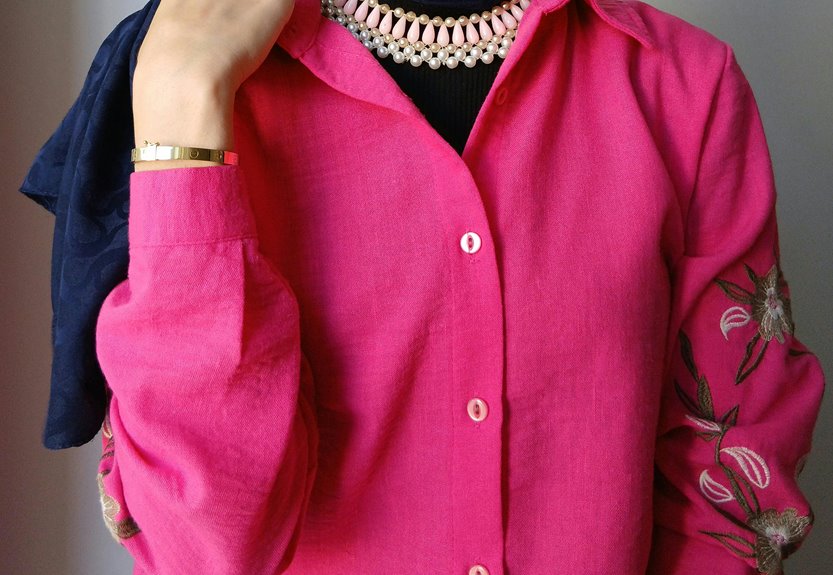
You’ll find coconut fabric clothing durable and eco-friendly, made from natural coconut husk fibers that reduce waste and support sustainability. It breathes well and feels lightweight, though it may be coarser than cotton or bamboo, which might affect sensitive skin. The fabric wears well but can stiffen with repeated washing, and design flexibility is limited. If you want to weigh its unique texture and environmental perks against comfort and care needs, there’s more to reflect on ahead.
Key Takeaways
- Coconut fabric is eco-friendly, using coconut husks and reducing landfill waste while supporting sustainable farming practices.
- It offers breathability and lightweight comfort but may feel slightly coarse compared to cotton or bamboo.
- The fabric is durable and resistant to tears, though frequent washing can cause faster wear.
- Maintenance requires cold water washing and air drying to preserve texture and color.
- Its stiffness limits design flexibility and may cause discomfort for sensitive skin, unlike softer fabrics like bamboo or organic cotton.
What Is Coconut Fabric and How Is It Made?
Coconut fabric comes from the fibers found in coconut husks, offering a sustainable alternative to traditional textiles. When you choose this fabric, you’re working with coir fibers extracted from the husk’s outer shell.
The process starts by soaking the husks in water to soften them. Afterward, the fibers are separated, cleaned, and spun into yarn. You’ll find the yarn woven or knitted into fabric, which has a natural texture and durability.
This fabric is breathable and strong, making it suitable for various clothing items. While it’s less common than cotton or synthetic fabrics, coconut fabric is gaining attention for its unique qualities.
Understanding how it’s made helps you appreciate the craftsmanship and sustainable practices behind your clothing.
Environmental Benefits of Coconut Fabric
When you choose coconut fabric, you’re supporting sustainable resource use by turning coconut husks into textile fibers.
This fabric breaks down naturally, cutting down on waste that would otherwise harm the environment.
You’ll see how these benefits make coconut fabric a smart choice for eco-friendly clothing.
Sustainable Resource Usage
Because it relies on byproducts from coconut harvesting, this fabric reduces waste and lessens the demand for new raw materials.
When you choose coconut fabric, you support a cycle that makes use of parts often discarded, like coconut husks. This means fewer resources are extracted from the environment, helping preserve forests and water supplies.
Plus, coconut trees don’t require intensive farming or harmful pesticides, so the fabric’s production has a lighter ecological footprint.
By opting for coconut fabric, you’re encouraging sustainable farming practices and helping local farmers maximize their crops’ value.
It’s a smart choice if you want clothing that aligns with eco-conscious values without compromising quality or style.
You contribute to a more sustainable textile industry by supporting innovative use of existing natural resources.
Biodegradability and Waste Reduction
Although many fabrics contribute to landfill buildup, coconut fabric breaks down naturally and quickly, reducing environmental harm.
When you choose clothing made from coconut fabric, you’re supporting a material that decomposes without releasing toxic chemicals, unlike many synthetics. This helps cut down on long-term waste accumulation and pollution.
Plus, coconut fabric production often uses byproducts that would otherwise go to waste, turning potential trash into wearable items.
Here’s why it’s beneficial for waste reduction:
- It biodegrades faster than conventional fabrics, easing landfill pressure.
- It minimizes microplastic pollution by naturally breaking down.
- It utilizes coconut husks and fibers, reducing agricultural waste.
Comfort and Wearability Factors
As you wear clothing made from coconut fabric, you’ll notice its unique blend of softness and breathability enhances your comfort throughout the day.
The natural fibers allow air to circulate, keeping you cool and reducing sweat buildup. This fabric also tends to have a lightweight feel, which means you won’t feel weighed down or restricted in your movements.
Plus, coconut fabric often has a slightly textured surface that adds a pleasant tactile experience without irritating your skin.
However, since it’s less stretchy than some synthetic materials, you might want to check the fit carefully when choosing garments.
Durability and Maintenance of Coconut Clothing
You’ll find that coconut fabric offers impressive durability thanks to its strong natural fibers. This material stands up well to daily wear, resisting tears and stretching better than many other natural fabrics.
When it comes to maintenance, you don’t have to worry about complicated care routines. To keep your coconut clothing in great shape, follow these simple tips:
- Wash in cold water to prevent shrinkage and maintain fiber integrity
- Avoid using harsh chemicals or bleach to preserve natural texture and color
- Air dry your garments to reduce fabric stress and extend longevity
Cost Considerations and Market Availability
When considering coconut fabric clothing, cost plays a significant role in your purchasing decision. Because coconut fabric is relatively new and less mass-produced, it often comes with a higher price tag compared to traditional materials like cotton or polyester.
You’ll likely find these garments in niche markets or specialty eco-friendly stores rather than mainstream retailers. This limited availability means you might’ve fewer options and less frequent sales, which can impact your budget.
However, investing in coconut fabric clothing supports sustainable practices and unique craftsmanship. If you’re willing to pay a premium for eco-conscious fashion, it’s worth exploring online platforms and boutique brands that focus on innovative natural fibers.
Keep in mind, as demand grows, prices and availability could improve over time.
Potential Drawbacks and Texture Challenges
Although coconut fabric offers eco-friendly benefits, it comes with some potential drawbacks that you should consider before buying.
One key challenge lies in its texture, which can feel rougher compared to cotton or bamboo. This might affect comfort, especially if you have sensitive skin.
Plus, coconut fabric can be less durable, wearing out faster with frequent washing.
Finally, it may not drape as smoothly, limiting its use in certain clothing styles.
Here are some potential issues to keep in mind:
- Coarser texture may cause discomfort for some wearers
- Reduced durability compared to traditional fabrics
- Limited flexibility in garment design due to stiffness
Weighing these factors will help you decide if coconut fabric suits your needs.
Comparing Coconut Fabric to Other Sustainable Materials
When you compare coconut fabric to other sustainable materials, you’ll notice differences in durability, environmental impact, and comfort.
You’ll want to see how it holds up over time and how breathable it feels against your skin. Understanding these factors helps you choose the best eco-friendly option for your wardrobe.
Durability Comparison
Since durability plays a key role in choosing sustainable fabrics, you’ll want to understand how coconut fabric stacks up against options like organic cotton, hemp, and bamboo.
Coconut fabric, made from coir fibers, offers notable toughness but varies in softness and flexibility compared to others.
Here’s a quick durability comparison:
- Coconut Fabric: Highly resistant to wear and tear but less pliable, making it great for sturdy items.
- Organic Cotton: Softer and more flexible but prone to quicker wear with frequent washing.
- Hemp: Exceptionally durable and gets softer over time, ideal for long-lasting garments.
- Bamboo: Moderate durability with excellent moisture-wicking, but can weaken with harsh laundering.
You’ll find coconut fabric best when durability with a natural texture matters most.
Environmental Impact
Understanding durability helps, but you’ll also want to evaluate the environmental impact of coconut fabric compared to other sustainable materials.
Coconut fabric is made from coconut husk fibers, a byproduct that would otherwise go to waste, reducing landfill use. Its production requires less water and fewer chemicals than cotton, making it more eco-friendly.
Compared to bamboo, coconut fabric involves less intensive processing, which lowers energy consumption and pollution. However, it’s less renewable than hemp, which grows faster and needs minimal resources.
When you choose coconut fabric, you support waste reduction and lower water use, but keep in mind that the overall environmental benefit depends on factors like farming practices and transportation.
Comfort and Breathability
Although coconut fabric offers impressive durability, you might wonder how it feels against your skin compared to other sustainable materials.
Coconut fabric tends to be slightly coarser than some alternatives, which can affect comfort if you have sensitive skin. However, its breathability is commendable, allowing air to circulate and keep you cool.
Here’s how it stacks up:
- Cotton: Softer and more breathable but less durable.
- Bamboo: Extremely soft and moisture-wicking, ideal for sensitive skin.
- Hemp: Durable and breathable but can feel rough initially.
If you prioritize breathability and durability, coconut fabric is a solid choice, but for ultimate softness, bamboo or organic cotton might suit you better.
Consider your comfort needs when choosing your sustainable fabric.
Frequently Asked Questions
Can Coconut Fabric Be Blended With Other Fibers?
You can definitely blend coconut fabric with other fibers like cotton or polyester. Doing so improves durability, flexibility, and texture, making the final fabric more comfortable and versatile for different types of clothing.
Is Coconut Fabric Hypoallergenic?
Did you know 10-20% of people suffer from textile allergies? Coconut fabric is naturally hypoallergenic, so you’ll likely avoid irritation. Its antimicrobial properties help keep skin calm, making it a great choice if you’re sensitive.
How Does Coconut Fabric Handle Dyeing and Coloring?
You’ll find coconut fabric takes dye well, absorbing colors evenly for vibrant results. However, because it’s natural, some shades might appear softer. You can expect good color retention but might need gentle care to maintain brightness.
Are There Any Cultural Significances of Coconut Fabric?
Imagine wearing a piece of island heritage; coconut fabric carries cultural significance in tropical regions, symbolizing sustainability and tradition. You’ll find it represents a connection to nature and ancestral craftsmanship, blending history with eco-conscious fashion.
Can Coconut Fabric Be Used for Accessories Besides Clothing?
You can definitely use coconut fabric for accessories like bags, hats, and wallets. Its durability and eco-friendly nature make it perfect for versatile items, giving your accessories a unique, sustainable touch that stands out.