
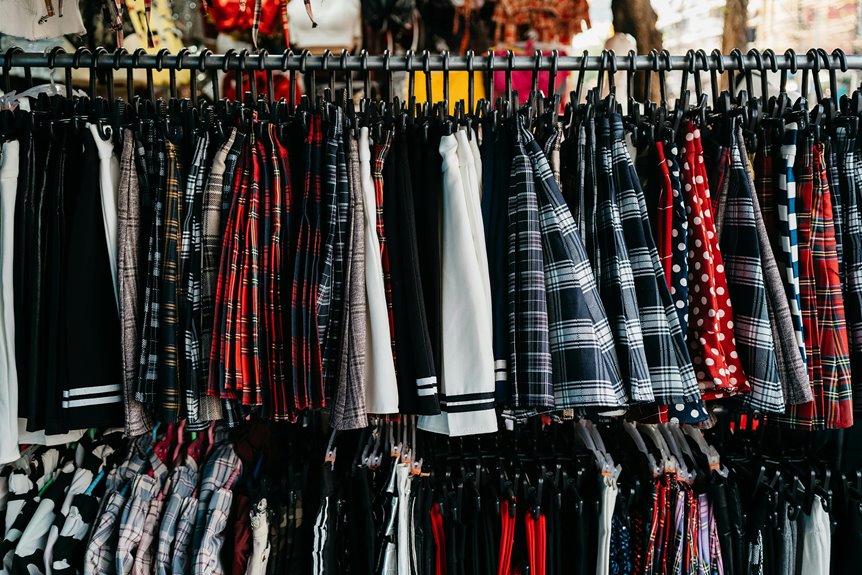
When buying fabric from China’s wholesale markets, you’ll find a wide range of natural and synthetic options organized by type—perfect for comparing quality and price. Always check supplier legitimacy, ask for samples, and prepare to negotiate firmly. Make sure you understand import documents and compliance standards to avoid delays. Using online platforms can also streamline sourcing while respecting local business etiquette builds trust. Keep these basics in mind, and you’ll be ready for a smoother fabric buying experience with valuable insights waiting ahead.
Key Takeaways
- Major Chinese fabric markets like Guangzhou and Shanghai organize fabrics by category, enabling easier comparison and efficient shopping.
- Verify supplier legitimacy through business licenses, quality certifications, and customer reviews before placing bulk orders.
- Request fabric samples to assess texture, colorfastness, and durability prior to large purchases.
- Prepare necessary import documents like commercial invoices, packing lists, and certificates to ensure smooth customs clearance.
- Respect Chinese business etiquette by using formal titles, polite language, and building trust through clear communication.
Understanding China’s Fabric Wholesale Market Landscape
Although maneuvering through China’s fabric wholesale markets can seem overwhelming at first, understanding their structure and key locations will help you make informed purchasing decisions.
These markets are vast hubs where numerous suppliers gather, offering an extensive range of textiles. Cities like Guangzhou, Shanghai, and Shenzhen are renowned for their bustling fabric districts, each specializing in different types of materials and price ranges.
China’s major cities host vibrant fabric hubs, each offering unique textile varieties and competitive pricing.
You’ll find markets organized by fabric categories, making it easier to compare quality and prices. Many vendors expect negotiation, so being prepared to bargain will benefit your budget.
Familiarizing yourself with market layouts and supplier reputations also saves time and reduces confusion. By grasping this landscape, you can confidently navigate and source the fabrics you need efficiently and effectively.
Types of Fabrics Commonly Available in Chinese Markets
When you explore Chinese fabric markets, you’ll find a wide range of popular natural fabrics like cotton, silk, and linen.
Synthetic varieties such as polyester and nylon are also abundant and offer great durability.
Knowing these options helps you pick the right material for your needs.
Popular Natural Fabrics
Natural fabrics form the backbone of many purchases in China’s wholesale markets, offering you a range of options that combine comfort, durability, and tradition.
Cotton is widely available, prized for its breathability and softness—perfect for everyday wear.
Linen, known for its cool texture and strength, suits you if you want something lightweight and natural.
Silk, a hallmark of Chinese fabric heritage, provides luxury and sheen, ideal for elegant garments.
Wool and cashmere are also common, giving you excellent warmth and a premium feel for colder climates.
When you shop these natural fabrics, you tap into centuries of craftsmanship and quality, ensuring your products feel authentic and stand the test of time.
Focus on these materials for timeless appeal and reliable performance.
Synthetic Fabric Varieties
Since synthetic fabrics offer versatility and affordability, you’ll find a wide selection in China’s wholesale markets.
Popular choices include polyester, nylon, acrylic, and spandex, each serving different purposes.
Polyester is durable and wrinkle-resistant, ideal for everyday wear and home textiles.
Nylon offers strength and elasticity, perfect for activewear and outerwear.
Acrylic mimics wool’s warmth but costs less, making it great for knitwear.
Spandex provides excellent stretch, essential in sportswear and fitted garments.
These fabrics come in various textures, weights, and finishes, allowing you to match them to your specific projects.
When sourcing synthetic fabrics, pay attention to fiber content and quality to guarantee your end product meets your standards.
How to Identify Reliable Fabric Suppliers
Trust plays an essential role in choosing fabric suppliers, especially in China’s bustling wholesale markets. To guarantee you work with reliable partners, focus on verifying their credibility and service quality.
Start by checking their business licenses and certifications to confirm legitimacy. Next, review customer feedback and ratings to gauge satisfaction and reliability. Finally, assess their communication responsiveness and transparency during your initial contacts.
Here are three key steps to identify trustworthy suppliers:
- Verify official business licenses and fabric quality certifications.
- Research online reviews and testimonials from previous buyers.
- Evaluate their communication speed, clarity, and willingness to provide samples.
Key Factors to Consider When Selecting Fabrics
When selecting fabrics, you need to contemplate several key factors that impact your project’s success.
First, consider the fabric’s material—cotton, silk, polyester, or blends—since this affects durability and feel.
Check the fabric’s weight and thickness to guarantee it suits your design needs.
Pay attention to colorfastness and pattern consistency, especially if you require uniformity across multiple batches.
Also, assess the fabric’s texture and drape to match your garment or product’s style.
Don’t forget to verify the quality by examining the weave or knit for flaws or irregularities.
Finally, consider the intended use—whether for apparel, upholstery, or accessories—to pick a fabric that meets performance requirements like breathability or stretch.
This careful evaluation helps you avoid costly mistakes later.
Navigating Pricing and Negotiation Strategies
Understanding the fabric’s qualities gives you a strong foundation, but securing the best price requires sharp negotiation skills.
Knowing your fabric is key, but mastering negotiation skills seals the deal for the best price.
When you’re in China’s wholesale markets, keep your approach flexible and respectful. Start by asking for the best price and be ready to walk away if it’s not right.
Use these tips to navigate pricing:
- Build rapport with sellers to encourage better offers.
- Compare prices across stalls to leverage competition.
- Bundle purchases to negotiate discounts on volume.
Quality Control Tips for Buying Fabric in Bulk
Although price and negotiation are essential, ensuring the fabric meets your quality standards is equally important when buying in bulk.
Start by requesting samples before placing large orders; this helps you check texture, colorfastness, and durability firsthand. Always inspect the fabric under natural light to spot inconsistencies or defects.
Don’t hesitate to ask suppliers about their quality control processes and certifications—they should be transparent. When possible, hire a third-party inspection service to verify quality before shipment.
Keep detailed records of your quality requirements and communicate them clearly to avoid misunderstandings.
Finally, build a good relationship with your supplier; they’ll be more likely to maintain high standards and address issues promptly if they value your business.
Essential Documents and Compliance Requirements
When you buy fabric from China’s wholesale markets, you’ll need specific import documents to guarantee a smooth process.
You also have to meet regulatory compliance standards to avoid any legal issues. Understanding these requirements upfront will save you time and hassle.
Required Import Documentation
Maneuvering through China’s wholesale fabric markets means you’ll need to prepare specific import documents to guarantee your shipment clears customs smoothly.
Without the right paperwork, delays or extra fees could stall your delivery. Focus on these essentials:
- Commercial Invoice: Details the purchase price, fabric description, and seller-buyer info, vital for customs valuation.
- Packing List: Specifies shipment contents, weight, and dimensions, helping customs verify your cargo.
- Bill of Lading: Acts as your shipment receipt and contract between you and the carrier, confirming ownership and shipment terms.
Make sure each document is accurate and matches your order details exactly.
Having these ready and correctly filled out speeds up customs clearance and avoids costly setbacks during import.
Regulatory Compliance Standards
Since importing fabric involves strict quality and safety rules, you’ll need to assure your products meet China’s regulatory compliance standards.
First, ensure your fabrics comply with the national standards for textiles, including fiber content labeling and chemical safety limits. Obtain the mandatory Quality Inspection Certificate (QIC) from the supplier, which confirms the fabric meets these requirements.
You also must provide a Material Safety Data Sheet (MSDS) detailing any chemicals used in production. Customs may require a Certificate of Origin to verify the fabric’s manufacture in China.
Stay updated on regulations like the China Compulsory Certificate (CCC) if applicable for certain fabric types.
Shipping Options and Logistics From China
Although steering through shipping options from China can seem complex, understanding the logistics is crucial for getting your fabric orders delivered efficiently.
You’ll want to evaluate your budget, timeline, and order size before choosing a method.
Consider these common shipping options:
- Air Freight: Fast but costly, ideal for small, urgent shipments.
- Sea Freight: Cost-effective for large orders, though slower and requires careful scheduling.
- Courier Services: Convenient for samples or small packages, with door-to-door tracking.
Additionally, customs clearance and local delivery can impact timing.
Work closely with your supplier and freight forwarder to guarantee all paperwork is accurate, and watch for hidden fees.
Using Online Platforms to Source Fabric
Once you’ve sorted out how your fabric will get to you, finding the right materials can start online.
Platforms like Alibaba, Made-in-China, and Global Sources offer thousands of fabric options directly from Chinese wholesalers. Use filters to narrow down by fabric type, price, minimum order quantity, and certifications.
Always check supplier ratings, reviews, and transaction history to guarantee reliability. Request samples before committing to large orders to verify quality firsthand.
Don’t hesitate to ask suppliers specific questions about fabric composition, dyeing methods, or customization options. Keep your communication clear and concise to avoid misunderstandings.
Cultural Etiquette and Communication Tips With Suppliers
When you communicate with suppliers in China, understanding cultural etiquette can make your interactions smoother and more productive.
Respect and patience go a long way, as building trust is key in Chinese business culture. Here are some tips to keep in mind:
Building trust through respect and patience is essential in Chinese business culture.
- Address properly: Use formal titles and last names until invited to use first names.
- Be indirect: Avoid blunt refusals; instead, use polite language to express concerns or disagreements.
- Show respect: Small gestures like exchanging business cards with both hands signify respect and professionalism.
Sample Ordering and Testing Before Bulk Purchase
Before placing a bulk order, you should request fabric samples to check the quality firsthand.
Make sure to test the samples for texture, colorfastness, and durability to avoid surprises later.
This step helps you confirm the supplier meets your standards before committing to a large purchase.
Sample Request Process
Although buying fabric in bulk can save you money, requesting samples first helps confirm the quality meets your expectations.
When you start the sample request process, communicate clearly with the supplier about your specific needs. Be sure to:
- Specify fabric type, color, and weight to avoid misunderstandings.
- Confirm sample fees and shipping costs upfront to budget appropriately.
- Ask about lead times so you can plan your production schedule.
Once you receive the samples, inspect them carefully for texture, colorfastness, and durability. This step prevents costly mistakes before placing a large order.
Remember, a well-managed sample request process builds trust with your supplier and guarantees you get exactly what you want.
Don’t rush this stage—taking your time now saves headaches later.
Quality Assessment Methods
Requesting samples sets the stage for evaluating fabric quality more thoroughly. Once you receive them, inspect the texture, color consistency, and weight firsthand.
Test the fabric’s durability by stretching it gently and checking for any distortion or pilling. Wash a sample piece to see how it reacts—note any shrinkage, color fading, or changes in feel.
If you’re unsure, use professional testing services to assess fiber content, strength, and colorfastness. Comparing these results with your product requirements guarantees the fabric meets your standards before committing to a bulk order.
Building Long-Term Relationships With Chinese Manufacturers
When you invest time in building long-term relationships with Chinese manufacturers, you gain access to better prices, higher quality, and more reliable service.
Building long-term relationships with Chinese manufacturers unlocks better prices, superior quality, and dependable service.
Establishing trust allows you to negotiate favorable terms and receive priority during high-demand periods.
To nurture these relationships, focus on:
- Consistent communication: Keep channels open to address concerns and share feedback.
- Mutual respect: Understand cultural differences and show appreciation for their efforts.
- Commitment to fair dealings: Honor agreements and pay on time to build credibility.
Frequently Asked Questions
How Do Seasonal Trends Affect Fabric Availability in China?
Like a tide, seasonal trends in China sway fabric availability. You’ll find lightweight cottons in spring, thicker wools in winter, and vibrant prints in festive seasons. So, plan ahead to catch the best materials on time.
What Are Common Payment Methods Accepted by Chinese Fabric Suppliers?
You’ll find Chinese fabric suppliers commonly accept payments via bank transfers, PayPal, and Alipay. Some also take Western Union or credit cards. Always confirm payment terms beforehand to guarantee smooth transactions and avoid surprises.
Can I Customize Fabric Designs in China’s Wholesale Markets?
You can paint your own canvas in China’s wholesale markets by customizing fabric designs. Many suppliers welcome your unique patterns and colors, turning your vision into reality. Just communicate clearly, and they’ll weave your ideas with skill.
What Are the Environmental Regulations Impacting Fabric Production in China?
You’ll find China enforces strict environmental regulations on fabric production, focusing on reducing pollution, managing wastewater, and controlling emissions. Factories must comply with these rules to operate, ensuring more sustainable and eco-friendly manufacturing practices.
How Do Currency Fluctuations Impact Fabric Purchase Costs?
You’ll find currency fluctuations can raise or lower fabric costs unexpectedly, affecting your budget. When your currency weakens against the yuan, prices rise; if it strengthens, you pay less. Stay alert to exchange rates.