
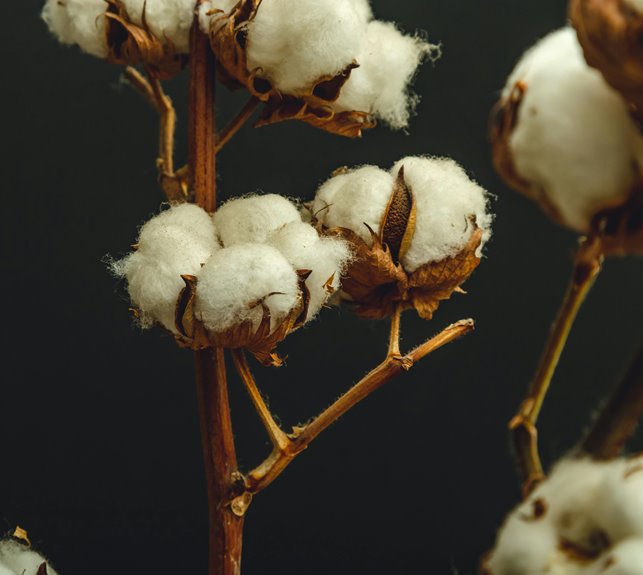
As you explore the future of sustainable textiles, you’ll notice a significant shift towards high-performance natural fibers. These innovative materials not only meet the growing demand for eco-friendly options but also enhance functionality. With advancements in technology, brands are now able to offer stylish choices that align with your values. But what does this mean for the industry and your wardrobe? The answers may surprise you.
Key Takeaways
- High-performance natural fibers, like hemp and organic cotton, are increasingly used for their durability and eco-friendly benefits in various industries.
- Technological innovations, including bioengineering and nanotechnology, enhance the performance of natural fibers, meeting consumer demands for quality and sustainability.
- Government policies and incentives are promoting the production of sustainable textiles, supporting organic farming and reducing reliance on synthetic materials.
- The shift towards a circular economy encourages recycling and repurposing of natural fibers, minimizing waste and promoting responsible consumption.
- Challenges in fiber recovery and recycling are being addressed through improved processing techniques and infrastructure, enhancing the viability of sustainable textiles.
The Rise of Natural Fibers in the Textile Industry
Have you noticed the growing popularity of natural fibers in the textile industry? More and more brands are embracing materials like organic cotton, linen, and hemp as consumers seek sustainable options.
These fibers offer breathability, durability, and comfort, making them ideal for everyday wear. You’ll find natural fibers in everything from casual clothing to high-end fashion, proving their versatility.
Additionally, designers are innovating by blending natural fibers with advanced technologies, enhancing performance without losing eco-friendliness.
As awareness about environmental issues rises, you’re likely to see an even greater demand for these materials. The shift towards natural fibers isn’t just a trend; it’s a reflection of a changing mindset in the industry, prioritizing sustainability and quality over fast fashion.
Environmental Benefits of Sustainable Materials
While many still overlook the impact of their clothing choices, sustainable materials provide significant environmental benefits that can’t be ignored.
By choosing natural fibers, you’re reducing reliance on synthetic materials, which often contribute to pollution and waste. Sustainable textiles typically require less water and energy during production, minimizing your carbon footprint. They’re often biodegradable, meaning they won’t linger in landfills for decades.
Choosing natural fibers reduces pollution, conserves water and energy, and promotes biodegradability for a cleaner planet.
Additionally, these materials promote biodiversity by supporting organic farming practices that nurture the soil and surrounding ecosystems. When you opt for sustainable options, you’re not just enhancing your wardrobe; you’re actively participating in a healthier planet.
Every purchase counts, and by making informed choices, you help drive the demand for eco-friendly textiles, paving the way for a sustainable future.
Technological Innovations Enhancing Fiber Performance
As the demand for sustainable textiles grows, so does the role of technological innovations in enhancing fiber performance.
You’ll find breakthroughs in natural fibers that improve durability, moisture-wicking, and breathability, making them competitive with synthetic options. Innovations like bioengineering and nanotechnology are transforming fibers at the molecular level, creating stronger, lighter materials without sacrificing sustainability.
For instance, researchers are developing cotton that resists fading and wear, while hemp is being treated to enhance its softness and flexibility. These advancements not only elevate the functionality of natural fibers but also cater to evolving consumer expectations for high-performance textiles.
Consumer Preferences Shifting Towards Eco-Friendly Options
With consumers increasingly aware of environmental issues, a noticeable shift towards eco-friendly textile options is taking place.
You might’ve noticed that more brands are prioritizing sustainability in their offerings. People like you’re now seeking out materials that reduce environmental impact, such as organic cotton, hemp, and bamboo.
This change isn’t just a trend; it reflects a deeper commitment to ethical consumption. Shoppers are willing to pay more for products that align with their values.
You want to support companies that prioritize eco-friendly practices, from sourcing to production. As awareness grows, your choices are influencing the market, pushing brands to adopt sustainable practices.
Ultimately, your preferences are helping to shape a more responsible fashion industry.
Fashion Industry Embracing Natural Fiber Blends
The fashion industry is increasingly embracing natural fiber blends, recognizing that combining different eco-friendly materials can enhance both sustainability and performance.
You’ll find brands experimenting with blends like organic cotton and hemp or linen and Tencel, which not only feel great but also reduce environmental impact. These combinations offer improved durability, breathability, and moisture-wicking properties, making them perfect for various applications, from casual wear to active apparel.
As you shop, you might notice a growing range of stylish options that meet your eco-conscious values while ensuring comfort and functionality.
The Impact of Government Policies on Natural Fiber Adoption
Government policies play an essential role in promoting the use of natural fibers in textiles.
By offering incentives for sustainable practices, they encourage businesses to shift towards eco-friendly materials.
Regulations that support natural fibers can also help create a more sustainable fashion industry, benefiting both the environment and consumers like you.
Incentives for Sustainable Practices
Although many consumers are enthusiastic to embrace sustainable textiles, they often need guidance on how to make environmentally friendly choices.
Government policies can play an essential role in this process. By offering tax incentives and grants for businesses that produce or use natural fibers, governments can encourage more sustainable practices. These incentives lower production costs, making it easier for companies to shift to eco-friendly materials.
Additionally, subsidies for organic farming can help increase the supply of natural fibers, ensuring consumers have access to a wider range of sustainable options. When you know the government supports these initiatives, it makes choosing sustainable textiles feel more achievable and rewarding.
Engaging with such policies can amplify your impact on the environment.
Regulations Supporting Natural Fibers
When policies prioritize natural fibers, they create a supportive environment for both producers and consumers.
You’ll find that government incentives can greatly boost the adoption of sustainable materials. For instance, grants and tax breaks encourage farmers to grow organic cotton or hemp, making them more competitive.
Regulations that limit synthetic fiber production also push industries to explore eco-friendly alternatives.
As a consumer, you benefit from increased availability of high-quality, natural fiber products. Additionally, labeling laws can inform you about the sustainability of textiles, helping you make informed choices.
With the right policies in place, the market for natural fibers expands, leading to a greener future for the textile industry and reinforcing the importance of sustainability in your purchasing decisions.
Circular Economy and Natural Fiber Recycling
As you explore circular economy practices, consider how natural fiber recycling plays an essential role in sustainability.
Understanding the recycling processes, benefits, and challenges can help you appreciate the potential of these materials.
Recycling Processes Overview
Recycling processes play an essential role in the circular economy, transforming waste textiles into valuable resources.
You’ll find that these processes vary, including mechanical recycling, where fibers are shredded and re-spun, and chemical recycling, which breaks down fibers to their molecular level. Each method has its advantages, with mechanical recycling being relatively simple and cost-effective. Chemical recycling, though more complex, offers the potential to recycle blended fabrics.
It’s vital to sort textiles correctly before recycling, as contaminants can hinder the process. By participating in textile recycling, you contribute to reducing landfill waste and conserving natural resources.
Embracing these processes not only supports sustainability but also encourages innovative solutions for the future of textiles.
Benefits of Natural Fibers
Natural fibers offer numerous benefits that align perfectly with the principles of a circular economy. They’re biodegradable, which means they can break down naturally, reducing waste in landfills.
When you choose natural fibers, you support sustainable farming practices that enhance soil health and biodiversity. This way, you’re not just getting a product; you’re contributing to a healthier planet.
Natural fibers also promote resource efficiency. They often require less energy to produce compared to synthetic fibers, minimizing your carbon footprint.
In addition, recycling natural fibers can be straightforward, allowing you to repurpose textiles instead of tossing them away. By opting for natural fibers, you embrace a sustainable lifestyle that fosters environmental resilience and encourages responsible consumption.
Challenges in Fiber Recovery
While the benefits of natural fibers are clear, challenges in fiber recovery can complicate their role in a circular economy. One major hurdle you’ll face is the difficulty of separating natural fibers from synthetic materials during the recycling process. Often, these blends end up in landfills instead of being reused.
Additionally, the degradation of fibers over time makes it harder to maintain quality during recycling. You might also encounter issues with collection and sorting systems, which aren’t always designed to handle natural textiles effectively.
Finally, there’s a lack of established infrastructure for processing these fibers. To truly harness the potential of natural fibers, addressing these challenges is essential for promoting sustainable practices in the textile industry.
High-Performance Applications in Automotive and Construction
As industries seek innovative solutions, sustainable textiles are making significant inroads into automotive and construction applications. By utilizing high-performance natural fibers, you’re not only enhancing durability but also reducing environmental impact. These fibers offer lightweight, strong, and flexible alternatives to traditional materials, making them ideal for various uses.
Here’s a comparison of key applications:
| Application | Benefits | Example Materials |
|---|---|---|
| Automotive | Lightweight, fuel-efficient | Hemp, flax |
| Construction | Insulation, strength | Bamboo, jute |
| Upholstery | Comfort, durability | Organic cotton |
| Composites | Enhanced performance | Kenaf, ramie |
Incorporating these sustainable options can lead to a greener future while maintaining high performance in critical industries.
The Role of Smart Textiles in Sustainable Fashion
Sustainable textiles aren’t limited to industrial applications; they’re also transforming the fashion industry through the integration of smart textiles.
These innovative materials enhance fashion’s sustainability while providing unique functionalities. Here’s how:
- Energy Efficiency: Smart textiles can harness solar energy, reducing reliance on traditional power sources and lowering carbon footprints.
- Wearable Technology: By incorporating sensors, these textiles monitor health and fitness, promoting well-being and encouraging mindful consumption.
- Adaptive Designs: Smart textiles can change properties based on environmental conditions, reducing the need for multiple garments and minimizing waste.
Embracing smart textiles allows you to support sustainable fashion while enjoying cutting-edge technology, making your wardrobe not just stylish but also eco-friendly.
Future Trends in the Natural Fiber Market
With growing consumer awareness around environmental issues, the natural fiber market is poised for significant transformation in the coming years.
You’ll likely see a surge in demand for sustainable, biodegradable materials like hemp, organic cotton, and bamboo. Brands are increasingly prioritizing transparency, so you can expect them to share their sourcing practices and production methods.
Innovations in processing techniques will enhance the performance of these fibers, making them more competitive against synthetic options. Additionally, as recycling technologies improve, you’ll find more products made from upcycled natural fibers.
Embracing eco-friendly practices, companies will focus on reducing their carbon footprints, catering to your desire for sustainable choices in fashion. This shift not only benefits the planet but also elevates the quality of your wardrobe.
Frequently Asked Questions
What Are the Main Types of Natural Fibers Available?
You’ll find several main types of natural fibers, including cotton, linen, wool, hemp, and silk. Each offers unique properties, making them suitable for various applications in clothing, home textiles, and eco-friendly products.
How Do Natural Fibers Compare in Cost to Synthetic Fibers?
When it comes to cost, you might find natural fibers a bit pricier than synthetics. However, investing in them often pays off, as they offer durability and environmental benefits that synthetic fibers can’t match.
Can Natural Fibers Be Treated for Enhanced Durability?
Yes, you can treat natural fibers to enhance their durability. Techniques like chemical treatments, blending with synthetic fibers, or applying protective coatings can improve strength, moisture resistance, and overall longevity, making them more suitable for various applications.
What Are the Limitations of Using Natural Fibers in Textiles?
Imagine using a T-Rex for a fashion show! Natural fibers can be limited by their susceptibility to pests, moisture absorption, and variability in strength. You’ll need to balance these factors for ideal performance in textiles.
How Do Consumers Identify Sustainable Natural Fiber Products?
To identify sustainable natural fiber products, you should look for certifications, check labels for fiber sources, and research brands’ practices. Transparent companies often share their sustainability efforts, making it easier for you to make informed choices.