
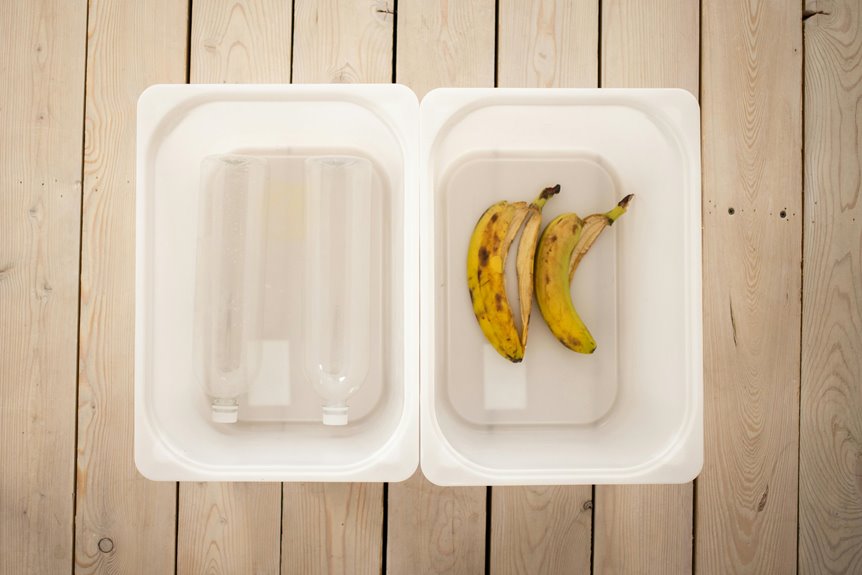
As you consider the full lifecycle of RPET, you might wonder if it genuinely contributes to a circular economy or simply represents downcycling. While RPET production reuses discarded plastics, the reality often involves a decline in quality, raising important questions. With advancements in recycling technology on the horizon, the future of RPET could shift markedly. But will these innovations truly close the loop, or are we merely postponing the inevitable?
Key Takeaways
- RPET production involves recycling discarded plastic bottles, but the process can result in downcycling when quality degrades with each recycling iteration.
- Effective sorting and cleaning are crucial to ensure high-quality RPET, as contamination hinders the recycling process and reduces material value.
- While RPET helps divert waste from landfills, it may not achieve true circularity if recycled products have limited reuse potential.
- Innovations in chemical recycling aim to restore RPET to its original monomers, enhancing the possibility of a closed-loop system.
- The overall sustainability of RPET hinges on advancements in technology and partnerships that improve collection and recycling efficiency.
The Importance of Collection and Sorting
When you understand the importance of collection and sorting in the Rpet lifecycle, you realize how significant these steps are for effective recycling. Proper collection guarantees that used materials reach recycling facilities instead of ending up in landfills.
It’s essential to gather the right types of plastics, as contamination can hinder the recycling process. Sorting allows recyclers to separate Rpet from other materials, guaranteeing that only suitable plastics get processed.
You play a key role here; when you sort your recyclables correctly at home, you set the stage for a more efficient recycling system. Each step, from collection to sorting, directly impacts the quality and success of recycled products, making your efforts crucial in promoting a sustainable future.
The Processing and Recycling Journey
Once you’ve collected and sorted your plastic waste, the next steps are essential.
It all starts with cleaning and shredding the materials, ensuring they’re ready for the next phase.
After that, the PET flakes go through purification, making them suitable for reuse in new products.
Cleaning and Shredding Process
To guarantee high-quality recycled materials, the cleaning and shredding process plays an essential role in the Rpet lifecycle.
First, you’ll need to collect post-consumer PET bottles and containers. Once gathered, these items undergo an initial cleaning to remove contaminants like labels, caps, and residues. This step ascertains that any unwanted materials don’t compromise the quality of the recycled product.
After cleaning, the next step is shredding. The PET is cut into small flakes, making it easier to process further. This size reduction also aids in efficient washing and prepares the material for subsequent purification stages.
Purification of PET Flakes
With the PET flakes ready from the shredding process, the next essential step is purification. This stage guarantees that contaminants like labels, adhesives, and dirt are removed, making the flakes suitable for recycling. You’ll typically use methods like float-sink separation and air classification to achieve this.
Here’s a quick overview of the purification methods:
| Method | Description |
|---|---|
| Float-Sink Separation | Utilizes water to separate based on density |
| Air Classification | Uses air flow to remove lighter impurities |
| Chemical Treatment | Cleans and removes stubborn contaminants |
| Mechanical Screening | Filters out larger debris |
Understanding RPET Production
As you explore RPET production, you’ll discover that the process transforms discarded plastic bottles into valuable materials for new products.
It all starts with collecting and sorting these bottles, ensuring they’re clean and free from contaminants. Once sorted, the bottles are shredded into small flakes, which are then further purified to remove any remaining impurities.
This purification is essential for maintaining the quality of the final RPET product. After purification, the flakes are melted down and extruded into pellets, ready for manufacturing.
Throughout this process, energy efficiency and reducing waste are key focuses, but challenges remain. Understanding these steps helps you appreciate the effort involved in creating RPET and its potential impact on sustainability.
The Role of RPET in Manufacturing New Products
RPET plays an essential role in creating a variety of new products, from clothing to packaging.
By incorporating RPET, you not only support innovative manufacturing but also contribute to environmental sustainability.
Let’s explore the wide-ranging applications of RPET and the significant benefits it brings to our planet.
RPET Applications Overview
While many are familiar with the environmental benefits of recycling, the role of RPET in manufacturing new products is often overlooked.
You’ll find RPET used in a variety of applications, from textiles to packaging. In the fashion industry, brands are increasingly utilizing RPET to create sustainable clothing, turning plastic bottles into stylish garments.
In packaging, it’s commonly used for bottles, containers, and even food packaging, providing a lightweight and durable alternative.
Electronics manufacturers also tap into RPET for components, showcasing its versatility.
By incorporating RPET into these products, you’re not only helping reduce waste but also contributing to a more circular economy.
Understanding these applications can help you appreciate the potential of RPET in today’s manufacturing landscape.
Environmental Benefits of RPET
The impact of RPET on the environment is significant, especially when considering its role in reducing plastic waste. By using recycled PET, you’re helping to divert plastic from landfills and oceans, where it can take hundreds of years to decompose.
Additionally, RPET production consumes less energy and water compared to virgin plastic manufacturing, lowering your carbon footprint. When you choose products made from RPET, you’re supporting a more sustainable lifecycle, promoting circular economy principles.
This not only encourages responsible consumption but also inspires manufacturers to innovate further. Ultimately, every RPET product you buy contributes to a cleaner environment, making a tangible difference in the fight against plastic pollution.
Embracing RPET helps create a healthier planet for future generations.
Assessing the Environmental Impact of PET Recycling
Evaluating the environmental impact of PET recycling reveals both benefits and challenges that directly affect our planet. On one hand, recycling reduces landfill waste and conserves resources. On the other hand, the recycling process itself can consume energy and generate emissions. Understanding these trade-offs helps you make informed choices about recycling.
Here’s a quick overview of the environmental impacts:
| Aspect | Benefit | Challenge |
|---|---|---|
| Energy Consumption | Lower than virgin PET | Still significant |
| Emissions | Reduced compared to new production | Can contribute to pollution |
| Waste Generation | Less landfill waste | Residual non-recyclables |
| Resource Conservation | Saves fossil fuels | Limited by recycling rates |
Exploring Sustainability and the Circular Economy
Recycling PET is just one piece of the puzzle when it comes to fostering sustainability and embracing a circular economy. You need to take into account not only how materials are recycled but also how they’re designed, produced, and consumed.
By prioritizing renewable resources and reducing waste, you can contribute to a system that minimizes environmental impact. Engaging with local communities and businesses can create a culture of sustainability and encourage better practices.
Additionally, incentivizing innovation in product design helps guarantee items can be easily recycled or repurposed. When you support companies committed to sustainability, you’re promoting a circular economy that values resources long after their initial use.
Together, these efforts can lead to a healthier planet for future generations.
The Challenges of Downcycling vs. True Recycling
While many people see recycling as a straightforward solution to waste management, the realities of downcycling versus true recycling reveal significant challenges.
Downcycling often results in lower-quality materials that can’t be recycled again, limiting their lifespan. You might think you’re helping the environment, but downcycled products may end up in landfills sooner than you’d expect.
Downcycling often leads to inferior materials with limited reuse, meaning your eco-friendly efforts might ultimately contribute to landfill waste.
True recycling, on the other hand, aims to maintain the original material’s quality, allowing for endless reuse. However, the infrastructure for true recycling is often lacking, making it difficult for you to participate effectively.
Additionally, contamination in recyclable materials complicates the process, leading to inefficiencies. Understanding these challenges can help you make more informed choices about waste management and sustainability.
Future Innovations in RPET Recycling Technology
As the demand for sustainable practices grows, innovations in RPET recycling technology are paving the way for a more efficient and effective recycling process.
You’ll see advancements like advanced sorting technologies that use AI to identify and separate RPET more accurately, increasing the quality of recycled materials.
There are also breakthroughs in chemical recycling methods, allowing you to break down RPET into its original monomers, enabling true recycling rather than downcycling.
Additionally, partnerships between brands and recycling facilities are improving collection systems, making it easier for you to recycle.
With these innovations, RPET recycling can become more closed-loop, ultimately reducing waste and enhancing sustainability in your daily life.
The future of RPET recycling looks promising.
Frequently Asked Questions
What Happens to Non-Recyclable PET Materials During the Recycling Process?
When you toss non-recyclable PET into the mix, it’s like adding a pebble to a smoothie; it clogs the process. These materials often end up in landfills, wasting resources and harming the environment.
How Can Consumers Ensure Proper PET Recycling at Home?
To guarantee proper PET recycling at home, rinse containers, remove labels, and check local guidelines. By doing this, you help reduce contamination, making the recycling process more efficient and effective for everyone involved.
What Is the Typical Lifespan of RPET Products?
Imagine a reusable RPET water bottle lasting three to five years. Typically, RPET products can last that long, depending on usage and care, but they may lose quality with each recycling cycle, ultimately affecting longevity.
Are There Any Limits to How Many Times PET Can Be Recycled?
Yes, there are limits to how many times PET can be recycled. Each cycle degrades the material’s quality, typically allowing for recycling about two to five times before it becomes unsuitable for new products.
How Do Different Countries Manage PET Recycling Differently?
Imagine bustling recycling centers, each country tackling PET differently. In some places, strict laws guarantee efficient collection and processing, while others struggle with infrastructure. You’ll notice varying rates of success and innovation across the globe.