
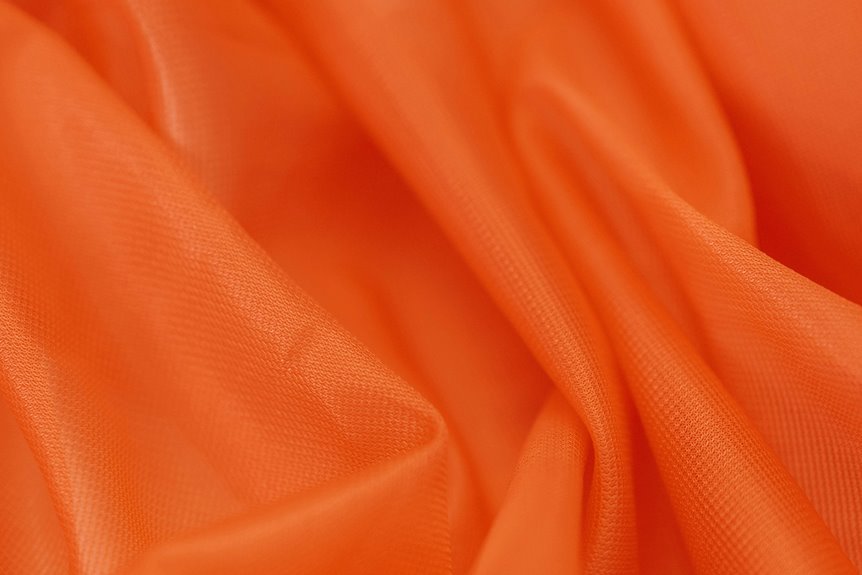
You use melt blown nonwoven fabric daily in masks, filters, and gowns because it’s lightweight and filters particles effectively. It’s made by extruding molten polymers like polypropylene into fine fibers, then bonding them into a web. This fabric offers softness, breathability, and strong barrier properties. It’s essential in healthcare, automotive, and environmental uses. Understanding its polymers, production, and benefits helps you appreciate why it outperforms other materials and where it’s headed next.
Key Takeaways
- Melt blown nonwoven fabric is made by extruding molten polymer into fine fibers that bond into a lightweight, breathable web.
- Polypropylene is the most common polymer used, valued for cost-effectiveness and excellent melt flow properties.
- The fabric offers superior filtration efficiency due to its microfibers and electrostatic charge trapping particles effectively.
- It is widely used in face masks, air filters, medical gowns, and environmental protection applications.
- Sustainable production includes biodegradable polymers, recycling polypropylene, and energy-efficient manufacturing to reduce environmental impact.
What Is Melt Blown Nonwoven Fabric?
Melt blown nonwoven fabric is a type of material made by extruding molten polymer through tiny nozzles, creating fine fibers that bond together without weaving.
When you use this fabric, you’ll notice its lightweight structure and excellent filtration capabilities. It’s commonly found in face masks, air filters, and medical gowns because it traps particles effectively while allowing breathability.
Unlike woven fabrics, melt blown fabric doesn’t rely on interlacing threads; instead, its fibers form a dense, random network. This unique structure gives it superior barrier properties and makes it moisture-resistant.
You’ll also appreciate its softness and flexibility, which add comfort in wearable applications.
The Melt Blown Fabric Manufacturing Process
Discovering how this fabric comes to life reveals the precision behind its unique properties.
First, you feed polymer pellets into an extruder where they melt into a viscous liquid. This molten polymer then pushes through tiny nozzles in a die, transforming into fine filaments.
High-velocity hot air jets blast these filaments, stretching and thinning them into microfibers as they cool. You’ll see these fibers deposited onto a moving conveyor belt, layering randomly to form a web.
The final step involves bonding the fibers together through self-adhesion, creating a strong yet lightweight fabric.
Throughout this process, controlling temperature, airspeed, and polymer flow is essential to guarantee consistent fiber diameter and fabric quality.
This precise manufacturing process makes melt blown fabric ideal for filtration and medical uses.
Key Properties of Melt Blown Nonwoven Material
Fine fibers and a unique web structure give this nonwoven material its standout qualities. When you work with melt blown fabric, you’ll notice its excellent filtration efficiency—tiny fibers trap particles effectively, making it ideal for masks and air filters.
It’s also lightweight, so you won’t feel weighed down. The fabric’s softness adds comfort, which is vital for wearable applications. Plus, it’s got great barrier properties, resisting liquids and bacteria while still allowing breathability.
You’ll appreciate its flexibility, enabling it to conform to different shapes without tearing. Finally, the material’s electrostatic charge enhances particle capture, boosting its filtration without adding bulk.
These properties combine to make melt blown fabric a versatile and essential choice across industries.
Common Polymers Used in Melt Blown Fabrics
Polymers form the backbone of melt blown fabrics, determining their performance and applications.
When you work with melt blown technology, you’ll most commonly encounter polypropylene (PP). It’s popular due to its excellent melt flow, affordability, and strong filtration capabilities.
Polyethylene (PE) also appears frequently, offering good flexibility and moisture resistance. Sometimes, you might see polyesters (PET) used for enhanced strength and thermal stability, though they require higher processing temperatures.
Additionally, polylactic acid (PLA), a biodegradable polymer, is gaining attention for eco-friendly options.
Each polymer’s melting point, viscosity, and fiber formation behavior influence the fabric’s final properties. By choosing the right polymer, you tailor the fabric’s toughness, filtration efficiency, and softness to suit your specific needs, ensuring peak performance in your melt blown products.
Applications Across Various Industries
Melt blown nonwoven fabrics serve a significant role across many industries, thanks to their unique combination of filtration efficiency, softness, and strength.
When you need reliable air and liquid filtration, these fabrics are often the go-to choice in healthcare for masks and surgical gowns. In the automotive sector, you’ll find them in cabin air filters and insulation materials.
If you work in environmental protection, they help trap pollutants and dust. The food packaging industry relies on them for breathable wraps that keep products fresh.
Melt blown fabrics play a vital role in trapping pollutants and preserving freshness in food packaging.
Even in personal care, melt blown fabrics provide softness and absorbency in wipes and diapers.
Advantages Over Other Nonwoven Fabrics
Although many nonwoven fabrics offer useful properties, melt blown nonwoven fabrics stand out because they combine exceptional filtration with softness and strength. When you choose melt blown fabric, you get superior particle capture, lightweight comfort, and durability that other nonwovens often lack. This makes it ideal for masks, filters, and hygiene products. Plus, its fine fiber structure provides a high surface area, enhancing performance without bulk.
| Feature | Melt Blown Fabric | Other Nonwoven Fabrics |
|---|---|---|
| Filtration | Exceptional particle retention | Moderate to low filtration |
| Softness | Very soft and comfortable | Varies, often less soft |
| Strength | Strong despite lightweight design | Can be weaker or bulkier |
| Versatility | Suitable for diverse uses | Limited in some applications |
| Cost Efficiency | Balanced cost-performance ratio | May be cheaper but less effective |
Challenges in Production and Quality Control
When you produce melt blown nonwoven fabric, maintaining consistent quality can be tough due to the precise control required over fiber diameter and web formation.
You must carefully manage processing parameters like polymer temperature, air pressure, and throughput to avoid defects such as fiber breakage or uneven layering. Even slight variations can impact filtration efficiency and fabric strength.
Additionally, quality control demands real-time monitoring and frequent testing, including measuring pore size distribution and tensile properties.
You also face challenges with raw material variability and equipment wear, which may cause fluctuations in fabric performance.
Staying vigilant during production and implementing strict quality protocols help you guarantee the fabric meets specifications without costly waste or rework.
Addressing these challenges is essential to producing reliable melt blown materials consistently.
Future Trends and Innovations in Melt Blown Technology
You’ll see melt blown technology pushing boundaries with advanced filtration materials designed for higher efficiency and durability.
Sustainable production methods are also gaining traction, reducing environmental impact without compromising quality.
Let’s explore how these innovations are shaping the future of melt blown fabrics.
Advanced Filtration Materials
As melt blown technology evolves, you’ll find advanced filtration materials pushing boundaries in efficiency and sustainability. These materials offer higher particulate capture, improved airflow, and longer service life. You can expect innovations like nanofiber integration and electrostatic enhancements to become standard, boosting performance in masks, HVAC systems, and industrial filters.
| Material Type | Key Feature | Application Area |
|---|---|---|
| Nanofiber Blends | Ultra-fine filtration | Medical masks |
| Electrostatic Media | Enhanced particle capture | Air purifiers |
| Biodegradable Fibers | Eco-friendly disposal | Disposable filters |
| Composite Layers | Multi-stage filtration | Industrial filtration |
Sustainable Production Methods
Although melt blown technology has advanced filtration efficiency, it also demands more sustainable production methods to meet growing environmental concerns. You can embrace innovations like using biodegradable polymers or recycling polypropylene waste to reduce environmental impact.
Energy-efficient manufacturing processes, such as advanced extrusion techniques and optimized air flow control, help lower your facility’s carbon footprint. Additionally, implementing closed-loop water systems and minimizing solvent use contribute to greener production.
As you adopt these methods, you not only comply with stricter regulations but also appeal to eco-conscious consumers increasingly demanding sustainable products. Staying ahead means continuously exploring renewable raw materials and integrating smart technologies for waste reduction.
Frequently Asked Questions
How Does Melt Blown Fabric Compare in Cost to Traditional Woven Fabrics?
Imagine weaving gold threads versus spinning silk clouds—melt blown fabric usually costs less than traditional woven textiles. You’ll find it cheaper due to faster production and simpler materials, making it a budget-friendly yet effective choice for you.
What Environmental Impacts Are Associated With Melt Blown Fabric Production?
You’ll find that melt blown fabric production uses significant energy and petroleum-based raw materials, leading to carbon emissions and waste. However, some manufacturers are adopting recycling and bio-based polymers to reduce environmental impacts.
Can Melt Blown Fabric Be Recycled or Reused Effectively?
Recycling melt blown fabric isn’t a walk in the park; you can’t just toss it into any bin. However, with specialized processes, you can reuse it, but its delicate structure makes effective recycling a tricky endeavor.
How Do Temperature and Humidity Affect Melt Blown Fabric Storage?
You should store melt blown fabric in a cool, dry place because high temperature and humidity can degrade its fibers, reducing filtration efficiency and strength. Avoid moisture to keep its performance intact over time.
What Safety Precautions Are Necessary During Melt Blown Fabric Manufacturing?
You should wear protective gear like gloves and masks, guarantee proper ventilation to avoid inhaling fibers, keep machinery well-maintained, follow fire safety protocols, and receive training on handling materials safely during melt blown fabric manufacturing.